

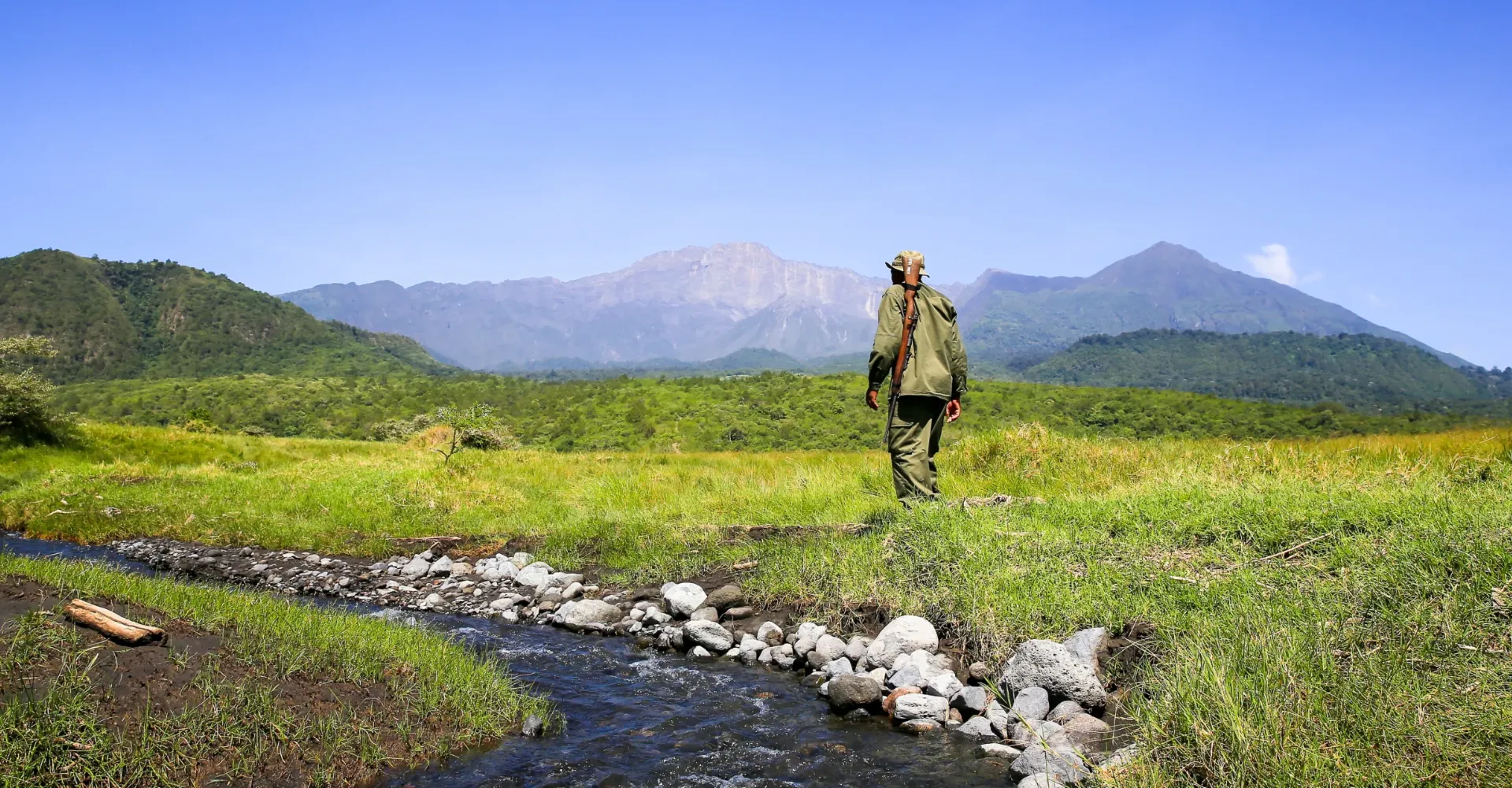
Discover the Beauty of Arusha
Volcanic landscapes, peaceful forests, wildlife-filled lakes and unforgettable views
beneath Mount Meru
Why visit Arusha National Park?
Enjoy Diverse Wildlife and Landscapes
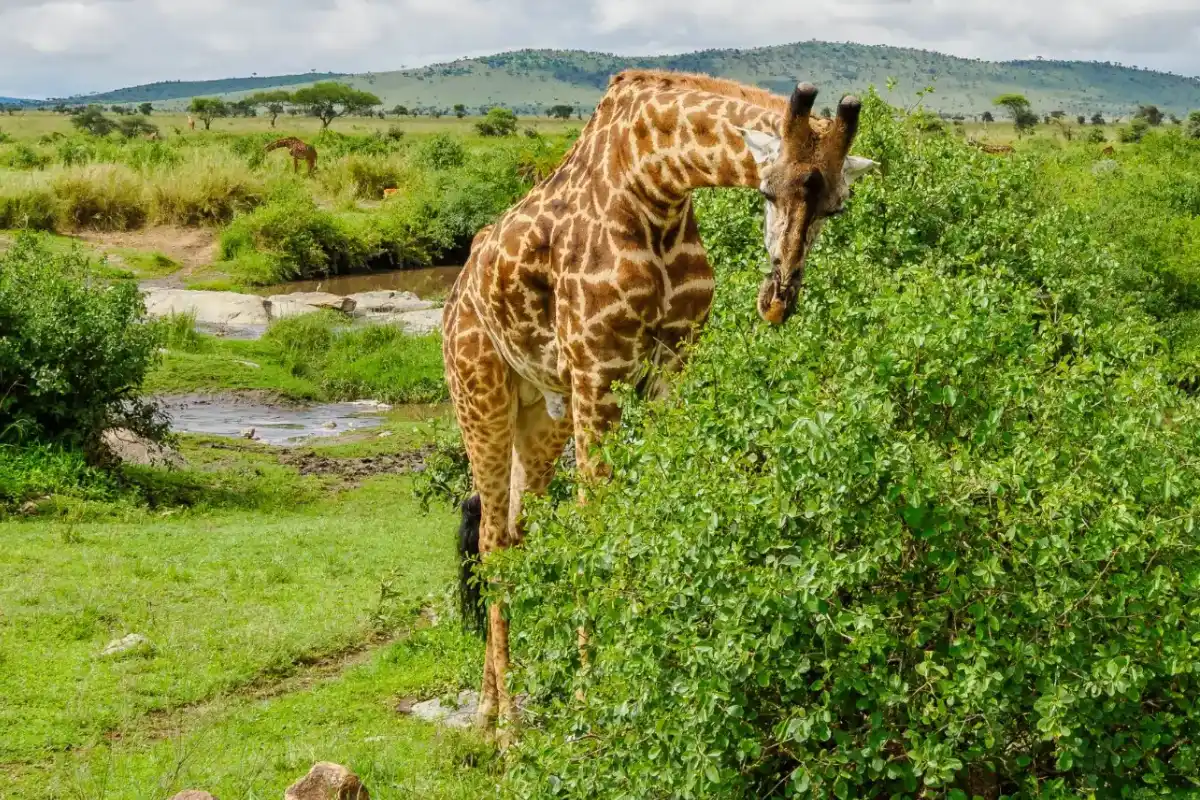
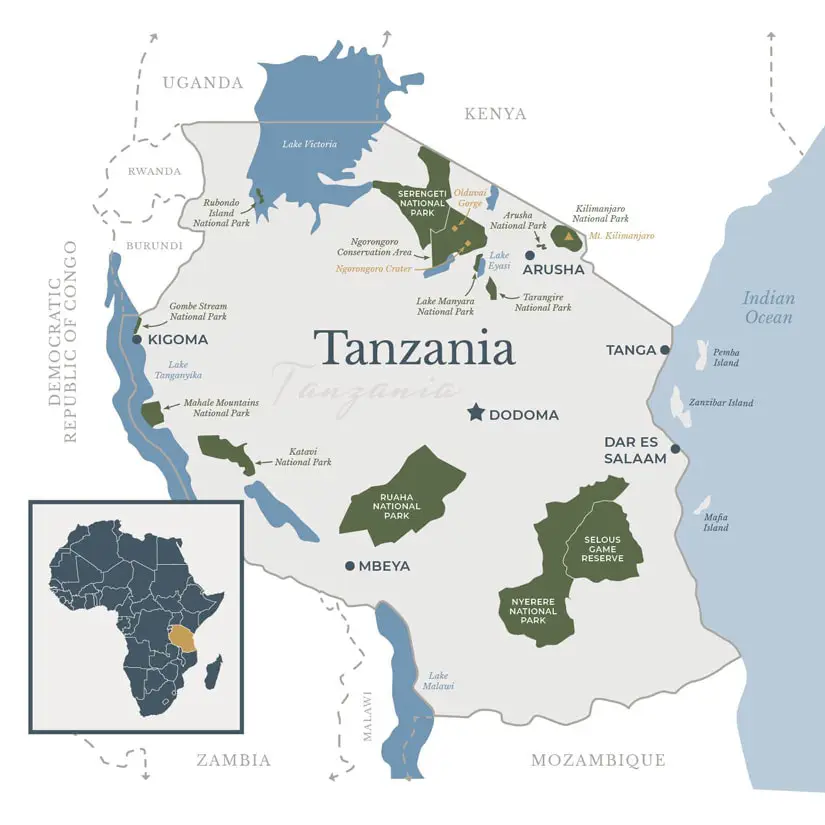
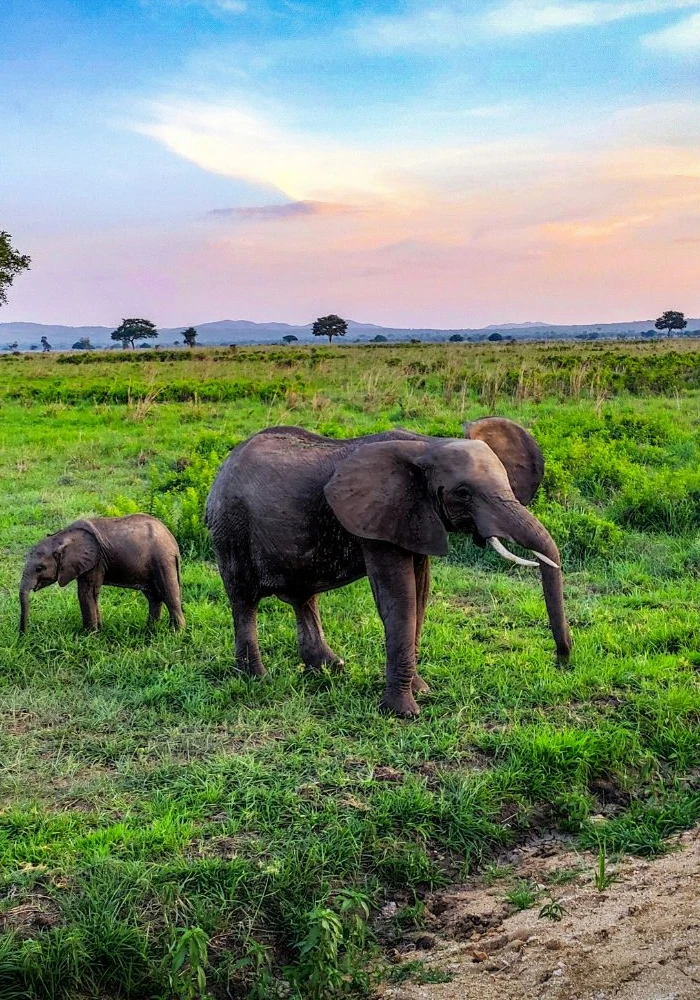
Arusha National Park brings mountain scenery, forest, lakes and wildlife together in one setting, just a short drive out of Arusha city itself. Mount Meru towers above the whole park, climbing to 4,566 metres and forming a genuinely dramatic backdrop across most of the landscape. The terrain shifts from montane forest and open grassland to the Momella Lakes and volcanic crater, so no two safaris here really feel the same. Giraffe, buffalo, zebra, elephant, waterbuck, warthog and several antelope species turn up across the park, while the forest shelters monkeys and other smaller wildlife of its own.
What sets the park apart is just how much variety it fits into a fairly compact space. Game drives around the Momella Lakes can turn up flamingo, hippo and other water-loving species, while the surrounding forest and grassland offer their own chances at different animals and birds entirely. Mount Meru stays visible throughout as a constant backdrop, and the shifting scenery lets you move through forest, lakeside, open plain and volcanic terrain in a single visit. For anyone after something beyond the traditional plains safari, Arusha National Park offers a genuinely varied introduction to northern Tanzania.
Location earns the park its place on a northern Tanzania itinerary too. Sitting close to Arusha city, it works equally well as a day trip, a short safari, or an early stop before heading to the region's bigger destinations. A visit adds mountain scenery, forest wildlife and peaceful lakeside views onto a classic northern circuit, without any real detour from the city.
Combine Wildlife With Active Adventures
Arusha National Park goes well beyond the conventional game drive, which makes it a strong pick for travellers wanting more than one way to experience Tanzania. Mount Meru sets the tone as the defining backdrop throughout, while valley, forest, volcanic formation, lake and open grassland shift the landscape dramatically across a genuinely small area. That unusual blend of scenery and activity gives the park a character quite different from Tanzania's better-known plains safari destinations.
The trip bends easily around your own interests and pace. Wildlife enthusiasts can work the game-viewing tracks throughout the park, while birdwatchers settle in near the Momella Lakes and the forest habitat. Walking safaris and canoeing offer real alternatives to the usual vehicle-based safari, and Mount Meru itself presents a proper trek for anyone wanting to take on the highlands on foot. That spread of activity lets you keep things relaxed or build something genuinely active, whichever suits.
Arusha National Park also slots in naturally before or after a longer northern Tanzania safari. Being so close to Arusha makes it easy to pair with Tarangire, Lake Manyara, Ngorongoro or Serengeti. A short stop introduces you to Tanzania's mountain forest, lakes and wildlife before heading deeper into the safari circuit, while a longer stay leaves genuine time for walking, canoeing or exploring the Mount Meru area properly.
Explore Tanzania Your Way
Explore Tanzania through wildlife, landscapes, culture,
mountains, beaches, and safari journeys
At Lifetime Safaris, we don't just organise your safari; we build the experience around you
As destination specialists, we bring together local knowledge, careful planning and a genuine passion for Tanzania to shape journeys around your interests, pace and travel style.
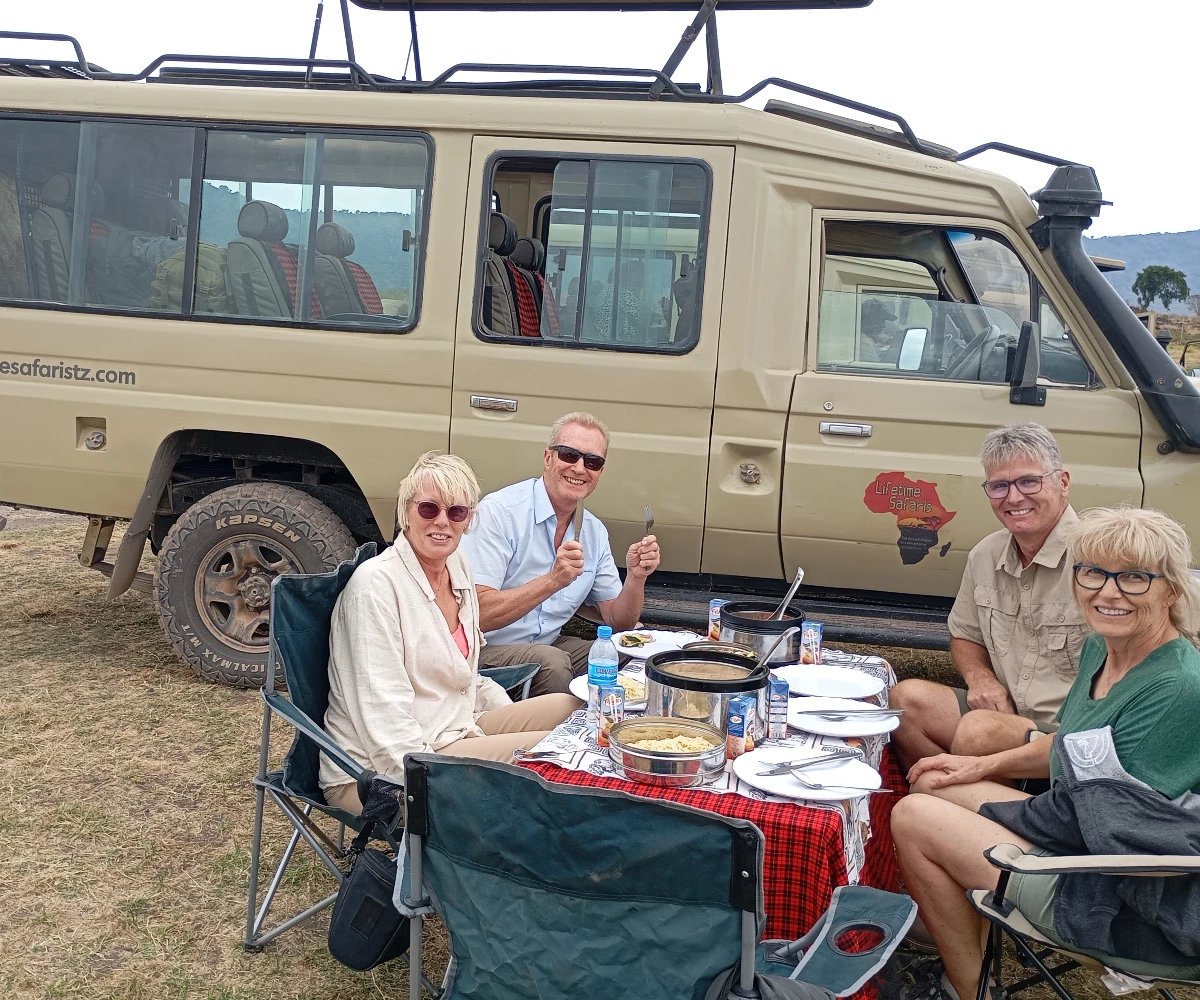
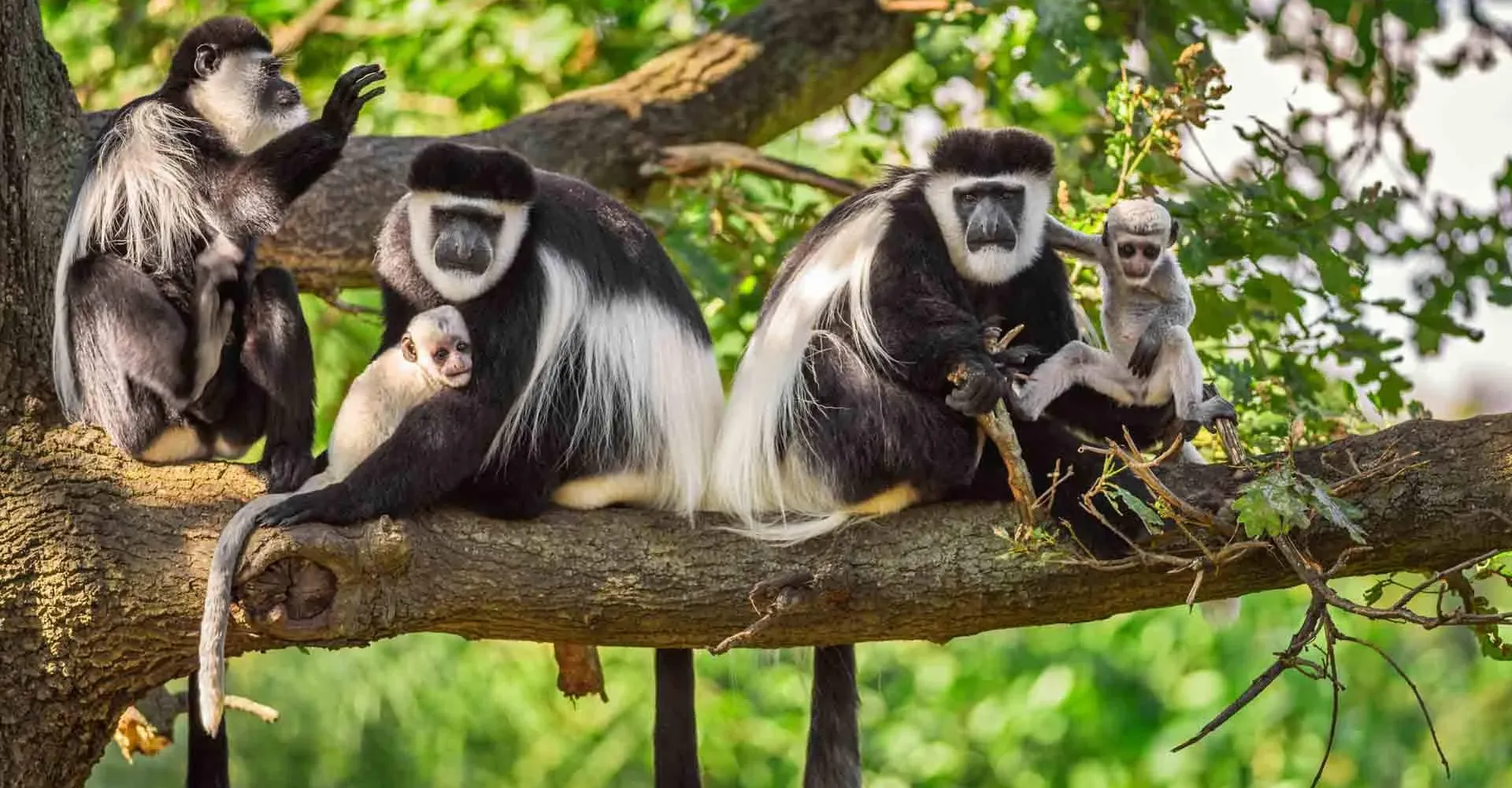
Between Mount Meru, lush forest, scenic lakes, and open grassland, Arusha National Park delivers diverse wildlife, striking landscapes, and safari adventures worth remembering.
When To Visit
Discover the right season for mountain scenery, wildlife, birdlife, walking and unforgettable
views of Mount Meru.
Arusha National Park can genuinely be visited any time of year, with each season bringing something different to the table. Drier periods generally make game drives and walking more comfortable, while wetter months bring greener forest, refreshed grassland and stronger colour across the landscape. Conditions also shift with elevation, especially worth noting if a Mount Meru climb is on the itinerary.
- January
- February
- March
- April
- May
- June
- July
- August
- September
- October
- November
- December
- Best
- Good
- Mixed
Best time to go on safari in Arusha National Park
June to October
June to October tends to be the most popular stretch for exploring Arusha National Park, with drier conditions keeping game drives, walking and outdoor activity genuinely comfortable throughout. Clearer weather also tends to open up better views across the grassland, lakes and Mount Meru itself. Wildlife stays present across the park regardless, and the Momella Lakes can turn up waterbird sightings along with other species. These months also suit travellers combining a stop here with other northern Tanzania destinations.
January and February offer another solid window, with fairly dry conditions and comfortable exploring of their own. The wetter months bring greener vegetation and can make the forest, grassland and volcanic terrain especially attractive in return. Rain can get in the way of certain outdoor activities, but it also refreshes the scenery and supports birdlife around the park's lakes and wetland. The shifting conditions give the park a genuinely different feel across the year.
Drier weather for game drives, walking and general outdoor exploring the priority? June to October is the popular pick. Prefer greener scenery and quieter landscape instead? The wetter periods deliver more of that. For Mount Meru trekking specifically, conditions and route planning need particular attention, since weather changes quickly with altitude.
Choose Your Season for Different Experiences
Arusha National Park offers different ways to explore across the whole year, depending on the conditions and activities that draw you. Game drives take you around the Momella Lakes and through open habitat, while walking safaris let you experience the forest and surrounding landscape at a genuinely slower pace. Canoeing on suitable waters adds another perspective entirely, and Mount Meru trekking turns the whole trip into a genuine mountain adventure.
The park suits families, couples, photographers, birdwatchers and active travellers alike, with each season bringing a slightly different flavour. Families get accessible wildlife viewing and scenic lakes, photographers get Mount Meru, flamingo, forest and shifting light to work with, birdwatchers get several habitats worth exploring, and adventure-minded travellers can choose walking, canoeing or a Mount Meru trek outright. That variety makes the park genuinely easy to adapt to different interests and travel styles.
Arusha National Park also connects naturally into the wider northern Tanzania safari circuit. Being so close to Arusha makes it easy to combine with Tarangire, Lake Manyara, Ngorongoro or Serengeti. A well-planned itinerary might open with the forest and mountains of Arusha National Park before moving on to the bigger plains and wildlife landscape further north.
Plan Your Tanzania Journey With
Local Safari Experts
Share your ideas and let our team shape the trip around you.
- Honest advice from local experts
- Routes designed around your personal travel interests
- Save hours with practical safari planning support







Your Tanzania Safari Travel Guide
Practical advice on Tanzania safari destinations, seasons,
activities, and planning your journey.


Hear From Our Travellers
Hear from travellers who discovered Tanzania with Lifetime Safaris
and shared their experiences
Good guide is very important
High recommend Danford and Lifetime Safaris! Danford is a skilled attentive driver with deep Safari knowledge and great instincts.

Paulo P
Love Lifetime Safaris
Great safari with our guide Humphrey! Safari roads are crazy and we felt safe, comfortable and well supported the whole time.
Kerri P
An unforgettable safari experience
An unforgettable experience indeed! We travelled with our friends and it’s a total six of us. Our guide Danford was excellent.
Stephen M
Trip of a lifetime with guide James
We have just recently returned from Tanzania, an absolute trip of a lifetime made even more special because of our guide James.
Cindy
Wonderful adventure in Tanzania
Wonderful adventure in Tanzania visiting local villages and markets, Materuni waterfalls, Tarangire, Serengeti, and Ngorongoro parks.
Oscar
Unforgettable Safari Experience
We had an incredible experience on our safari, and a huge part of that was thanks to our amazing guide James "Bond".
stephen k
Ready to plan?
Tell us your interests, dates, and ideas, and we’ll help
shape your Tanzania safari journey
Journeys
Explore Tanzania with journeys shaped around your interests, pace, and travel style.
Contact Us
Have questions about your Tanzania safari? Speak with our local team and start planning your journey.