

Discover Uganda
Gorilla trekking, rainforest trails, open savannah and powerful waterfalls
create a journey full
of contrast
What Makes Uganda Special
A Country Made for Wildlife and Adventure
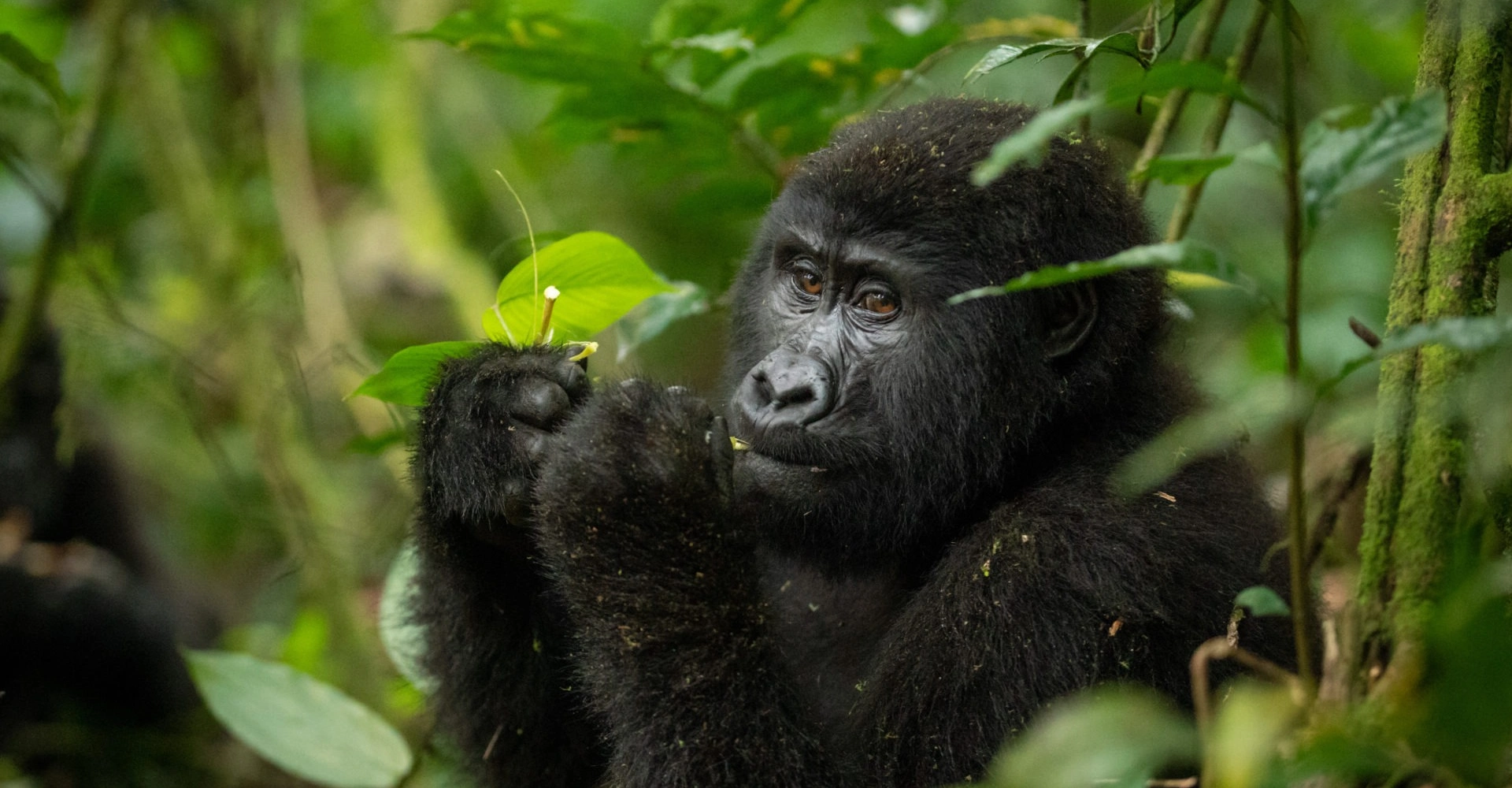
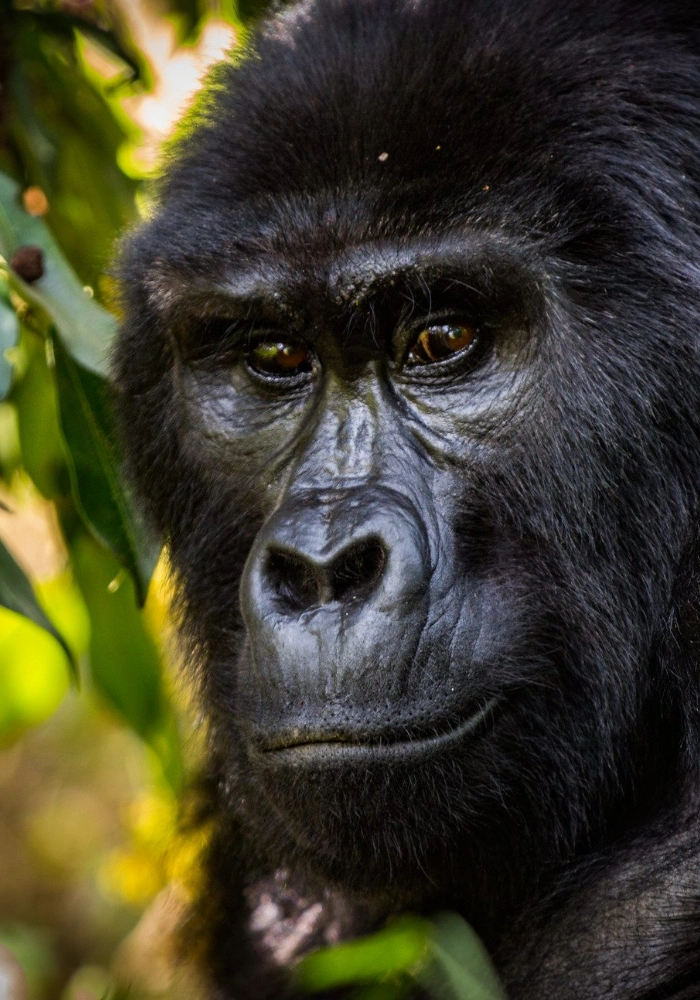
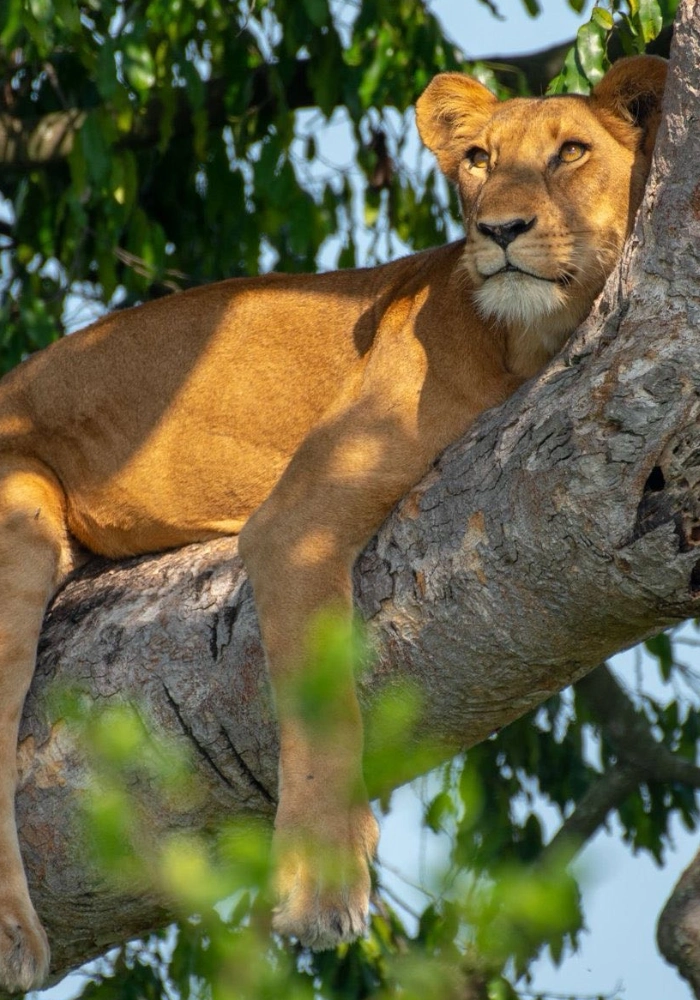
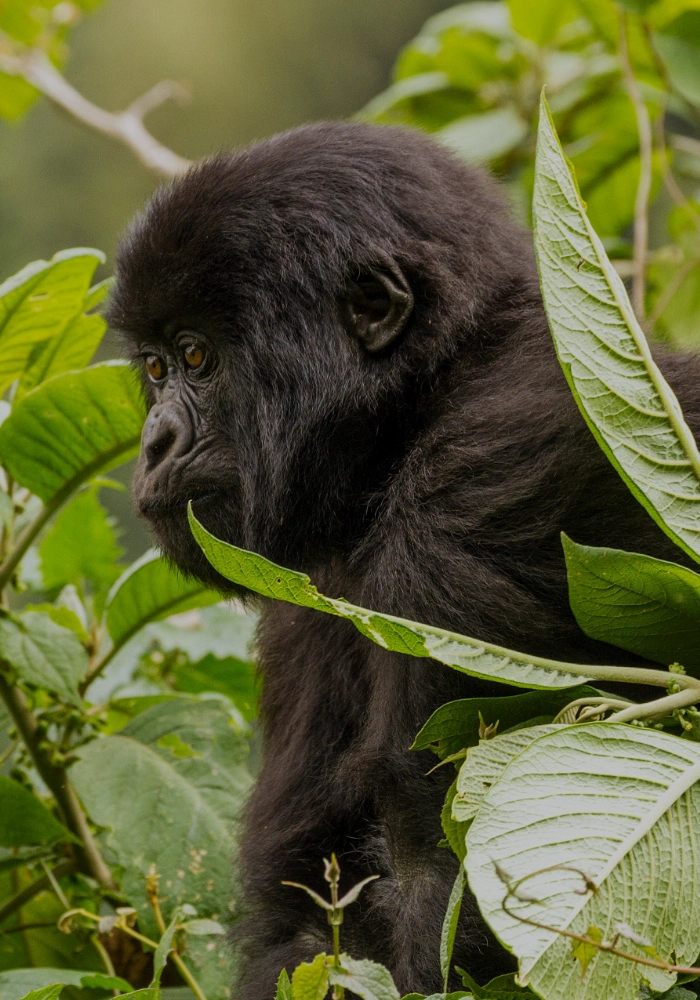
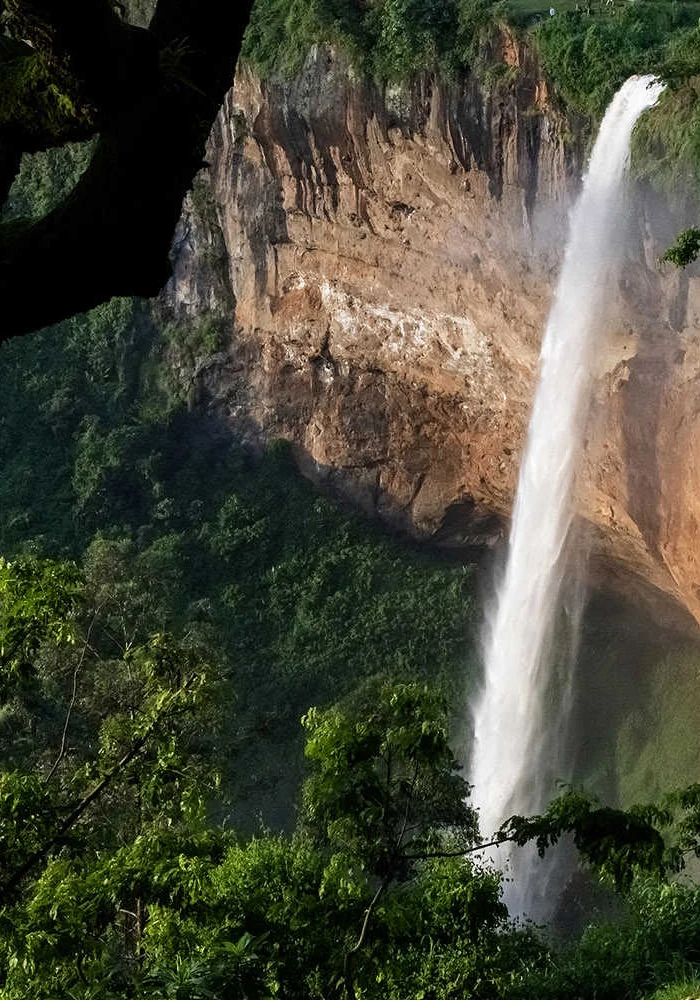
Uganda brings together rainforest, savannah, wetlands, mountains and freshwater lakes across a relatively compact destination. Bwindi Impenetrable National Park offers mountain gorilla trekking, while Kibale Forest is known for chimpanzees and other primates. Queen Elizabeth National Park combines open plains, crater lakes and wildlife, and Murchison Falls adds dramatic scenery around the Nile. Beyond the parks, Lake Victoria, the Rwenzori Mountains and rural communities reveal different sides of the country. This variety makes Uganda particularly appealing to travellers who want wildlife, trekking, culture and active experiences within one journey.
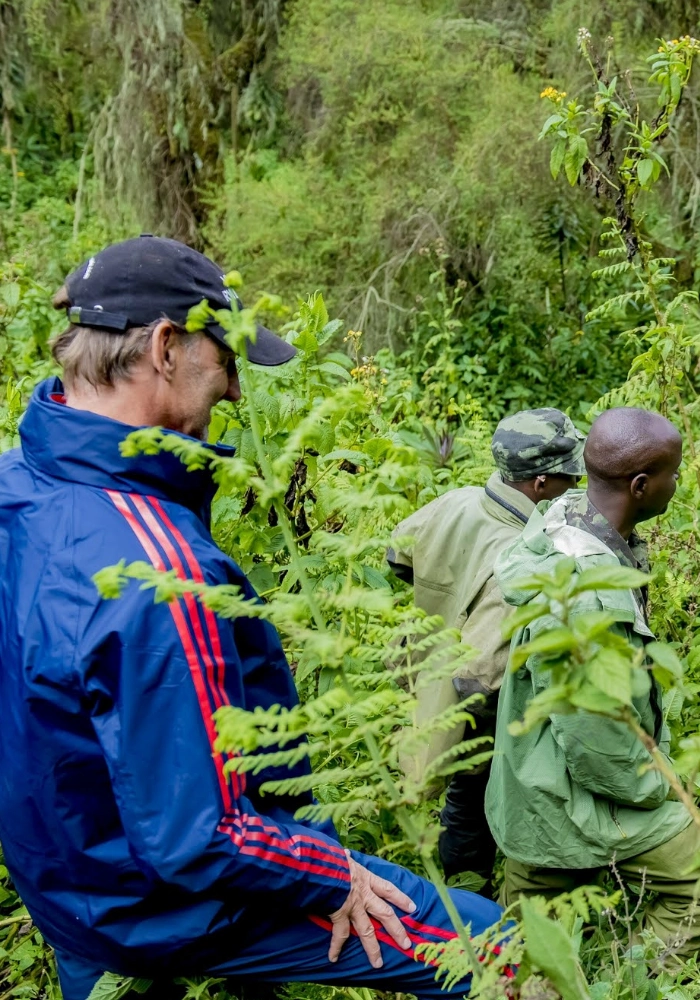
Uganda suits travellers who want more than traditional game drives. Gorilla trekking can become the centre of a trip, while chimpanzee tracking adds another forest experience. Families can explore wildlife areas and lakes, couples can combine safari with relaxed stays, and active travellers can add hiking, rafting or forest walks. You can keep the itinerary focused on one region or connect several destinations for a broader experience. The route can change according to your interests, available time and preferred pace.
Uganda rewards travellers who look beyond its headline attractions. A quiet forest trail, hippos along a riverbank or birds calling around camp can become just as memorable as a major wildlife encounter. Leave enough time to enjoy the journey between destinations.
Build Your Journey Around Your Interests
Western Uganda offers an especially varied combination of experiences. Bwindi and Mgahinga focus on gorilla trekking, while Kibale is well known for chimpanzee experiences. Queen Elizabeth brings classic safari activities, Kazinga Channel boat trips and diverse landscapes, while Murchison Falls combines wildlife with the Nile. The Rwenzori region offers mountain scenery and trekking. Rather than trying to visit every major attraction, choose places that match the experiences you value most and the amount of time available.
The way you travel can change the rhythm of the holiday. Private vehicles offer flexibility during game drives and transfers, while shared arrangements can help manage costs. Road journeys reveal Uganda's changing landscapes, while domestic flights can shorten longer connections. Accommodation ranges from simple guesthouses and camps to comfortable lodges and luxury properties. Combining different options can create a varied trip without making the itinerary unnecessarily complicated or rushed.
Start with the experiences you want most, then connect them into a practical route. Wildlife, primates, trekking, culture, rivers and lakes can fit naturally together when you allow enough time for each. Uganda becomes more rewarding when you leave space to explore.
Plan Your Uganda Adventure
Practical ideas for choosing seasons, destinations and experiences
that fit your travel style
When Is the Best Time to Visit Uganda?
Choose your travel season around the
experiences you want
Uganda offers rewarding travel throughout the year, although conditions change between regions and seasons. December to February and June to August are generally drier periods, while March to May and October to November bring more rainfall. The wetter months create greener scenery, while drier periods can make trekking, wildlife viewing and road travel easier.
- January
- February
- March
- April
- May
- June
- July
- August
- September
- October
- November
- December
- Best
- Good
- Mixed
Wildlife & Trekking Inspire Memorable Journeys
December to February and June to August often provide useful conditions for exploring Uganda. Drier weather can make roads and walking trails easier to manage, while wildlife viewing may become more straightforward in some safari areas. These periods can also suit travellers planning gorilla or chimpanzee trekking, although forest conditions can change quickly. The wetter months bring greener vegetation and active birdlife, and some travellers prefer the quieter atmosphere. Your chosen parks and activities should influence your dates because conditions can differ between forests, savannahs and mountain areas.
The rainy periods can still offer memorable experiences. Forests become lush, landscapes look vibrant and birdlife can be especially interesting. March to May usually brings the longer rains, while October and November can also be wetter. Showers may make trails muddy or affect some road journeys, so flexibility becomes useful. Travellers who enjoy green scenery and quieter conditions may find these months appealing. Rather than avoiding rain completely, consider how much weather variation you are comfortable with during trekking and safari activities.
Choose your dates around the experiences you want most. Consider gorilla trekking, chimpanzees, wildlife, hiking, scenery, rainfall and visitor levels before confirming your plans. Your priorities should determine the season and route.
Create a Journey That Feels Personal
Uganda allows you to build a journey around a few strong experiences rather than following one fixed route. Bwindi can provide the main focus for gorilla trekking, while Kibale adds chimpanzee encounters and forest activities. Queen Elizabeth offers game drives and Kazinga Channel boat trips, while Murchison Falls combines wildlife with the Nile and dramatic scenery. Mgahinga brings mountain landscapes, and Lake Bunyonyi provides a quieter lakeside setting. Travellers with limited time can focus on two or three destinations, while longer holidays can connect more regions. Choose places that complement each other and match the experience you want from Uganda.
The way you travel between destinations also changes the pace of the trip. Private vehicles offer flexibility, while shared arrangements can help manage costs. Road travel allows you to see more of the countryside, and domestic flights can shorten longer connections when time matters. Accommodation ranges from guesthouses and camps to comfortable lodges and luxury properties. Leave space between major activities for rest, unexpected discoveries and conversations with local people. A good itinerary should feel organised without turning every day into a tightly timed schedule.
A memorable Uganda itinerary does not need the most destinations. Choose places with different landscapes or experiences, allow sensible travel times and stay long enough to enjoy each stop.
Plan Your Tanzania Journey With
Local Safari Experts
Share your ideas and let our team shape the trip around you.
- Honest advice from local experts
- Routes designed around your personal travel interests
- Save hours with practical safari planning support




Hear From Our Travellers
Hear from travellers who discovered Tanzania with Lifetime Safaris
and shared their experiences
Good guide is very important
High recommend Danford and Lifetime Safaris! Danford is a skilled attentive driver with deep Safari knowledge and great instincts.

Paulo P
Love Lifetime Safaris
Great safari with our guide Humphrey! Safari roads are crazy and we felt safe, comfortable and well supported the whole time.
Kerri P
An unforgettable safari experience
An unforgettable experience indeed! We travelled with our friends and it’s a total six of us. Our guide Danford was excellent.
Stephen M
Trip of a lifetime with guide James
We have just recently returned from Tanzania, an absolute trip of a lifetime made even more special because of our guide James.
Cindy
Wonderful adventure in Tanzania
Wonderful adventure in Tanzania visiting local villages and markets, Materuni waterfalls, Tarangire, Serengeti, and Ngorongoro parks.
Oscar
Unforgettable Safari Experience
We had an incredible experience on our safari, and a huge part of that was thanks to our amazing guide James "Bond".
stephen k
Ready to plan?
Tell us your interests, dates, and ideas, and we’ll help
shape your Tanzania safari journey
Journeys
Explore Tanzania with journeys shaped around your interests, pace, and travel style.
Contact Us
Have questions about your Tanzania safari? Speak with our local team and start planning your journey.