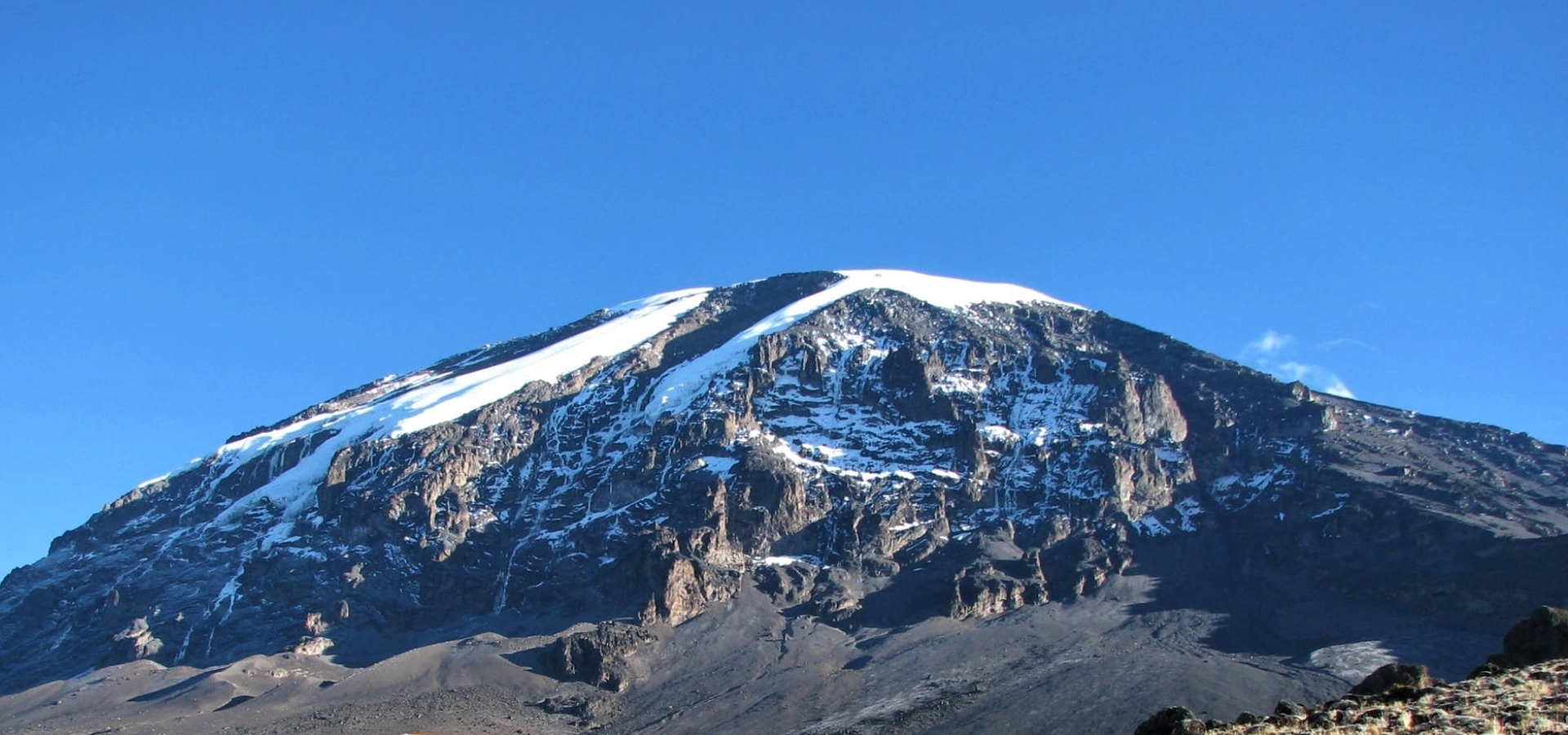
Your Kilimanjaro Adventure Begins
A mountain of changing landscapes, challenging trails and unforgettable
views from the rainforest
to Uhuru Peak
Why Climb Mount Kilimanjaro?
A Journey Through Five Mountain Zones
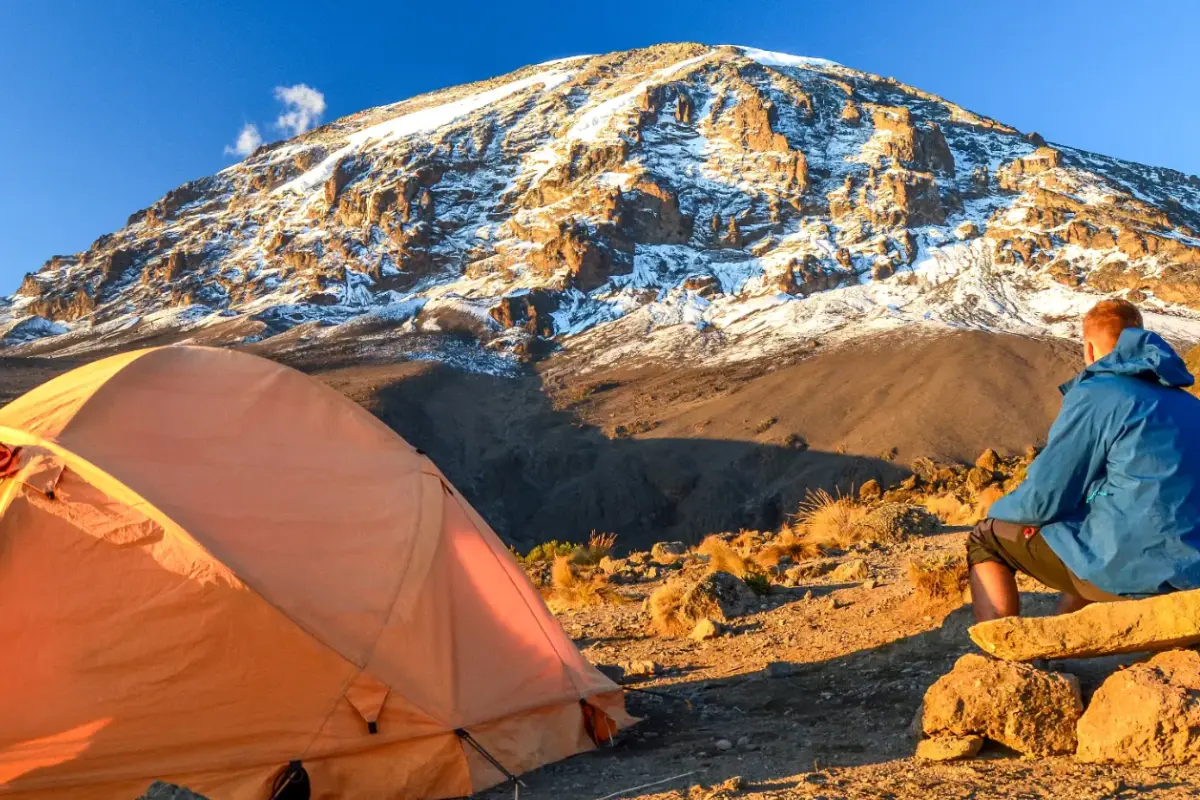
Mount Kilimanjaro is more than Tanzania’s highest mountain. Rising to 5,895 metres, it stands above the surrounding landscape as one of Africa’s defining natural landmarks. The mountain attracts trekkers from around the world because its summit can be reached without technical climbing equipment on established routes. Along the ascent, the scenery changes dramatically, moving through cultivated land, rainforest, heath and moorland, alpine desert and the arctic summit zone. That progression makes the journey feel like several landscapes in one climb. Whether you come to reach Uhuru Peak or experience the mountain itself, Mount Kilimanjaro climbing offers a challenge shaped by altitude, scenery and preparation.
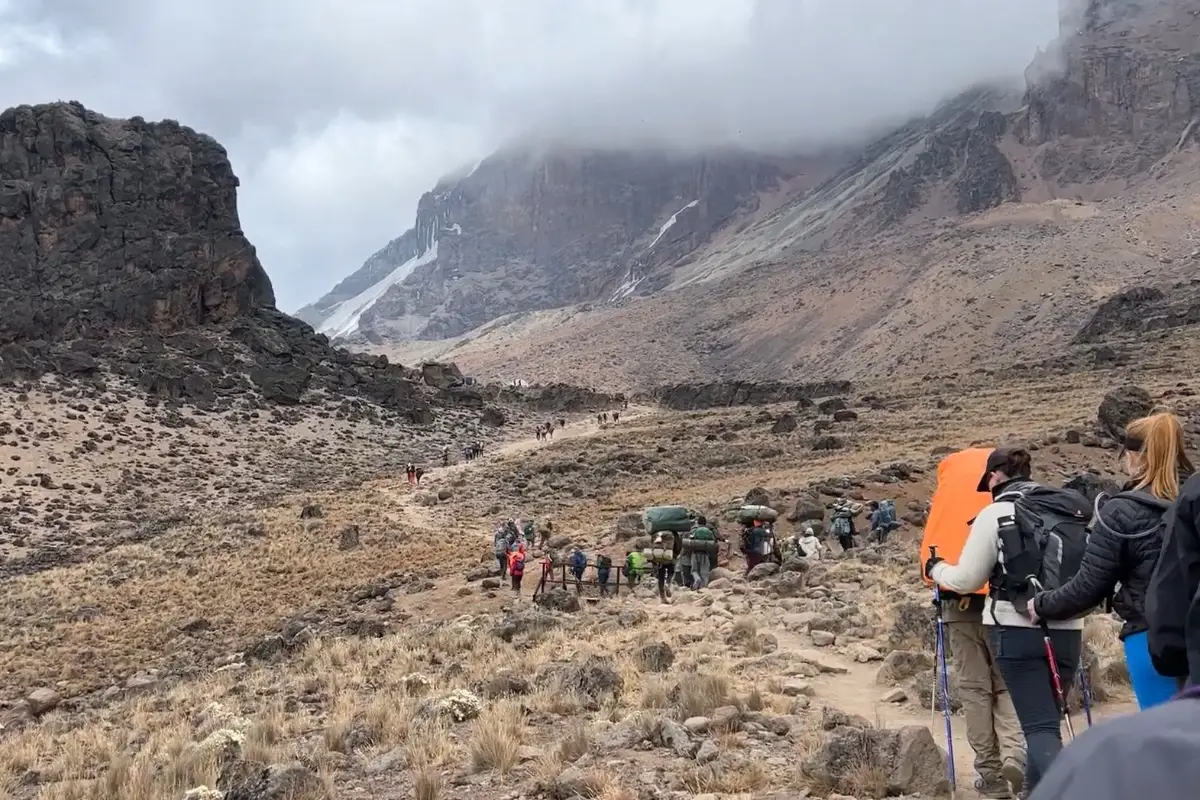
The mountain also offers several ways to approach the climb. Marangu Route follows a well-established trail with hut accommodation, while Machame Route is one of the most popular routes and Lemosho Route is known for scenic views. Each route differs in scenery, difficulty, duration and camping style. Choosing the right trail can influence how the trek feels from the first day to the summit, so route selection deserves attention as much as fitness and equipment before departure.
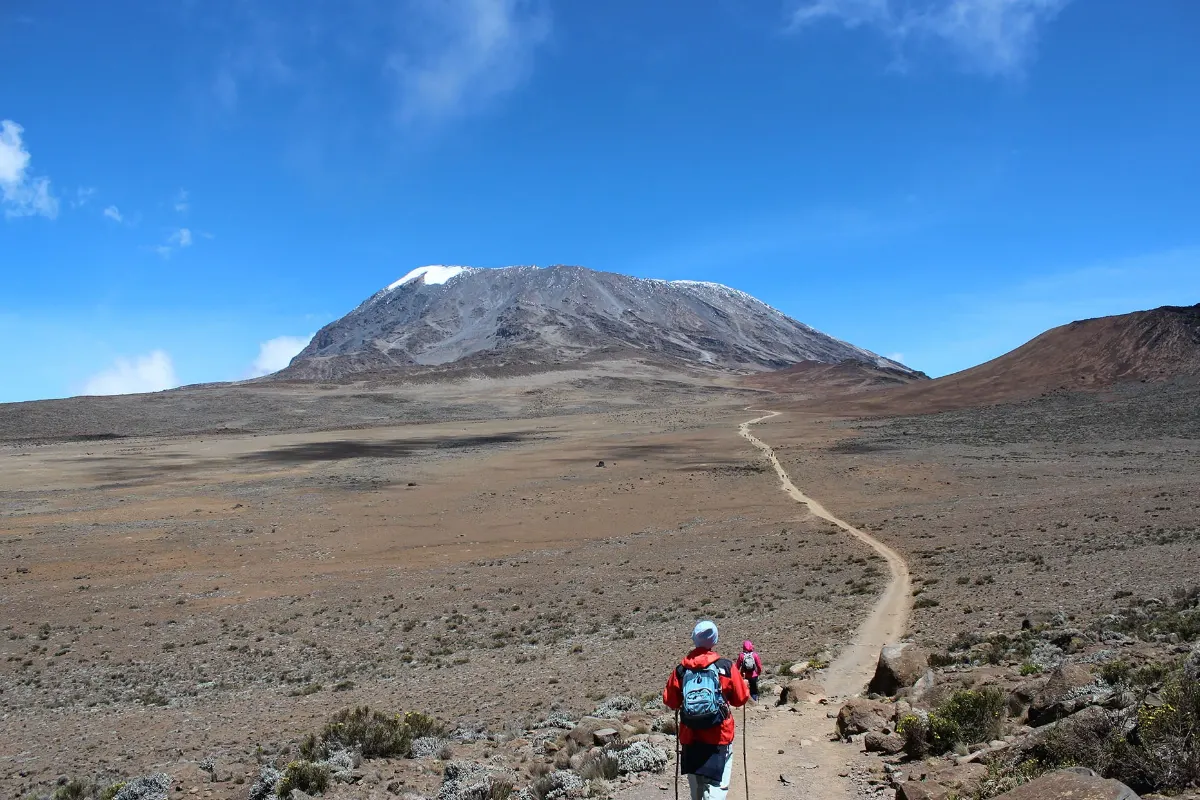
Kilimanjaro is a journey through changing environments. The higher you climb, the more the landscape, temperature and conditions change, making preparation and a steady pace essential. Each stage brings a new perspective on the mountain and the journey.
Choose The Route That Fits Your Climb
A Kilimanjaro climb is built around more than reaching the summit. The mountain’s five distinct habitat zones create a changing experience as you gain altitude, beginning around cultivated land and moving into rainforest, heath and moorland, alpine desert and the arctic summit zone. Days can feel warm lower down while nights become increasingly cold at higher elevations. Weather can shift quickly, so clothing, equipment, hydration, pacing and preparation all matter. Altitude also affects everyone differently, regardless of age, sex or fitness, which makes acclimatisation and listening to your mountain team important parts of the experience. The mountain rewards patience, and good support makes that process easier.
The route you choose also shapes the daily rhythm of the trek. Marangu uses mountain huts, while other routes generally use designated camps with tents. Lifetime Safaris offers Marangu, Machame and Lemosho itineraries, giving climbers options for different landscapes, durations and trekking preferences. Good preparation helps you focus on the experience rather than the logistics. This flexibility helps climbers choose a route that feels right for their goals and available time overall.
The summit is only one part of Kilimanjaro. The changing habitats, mountain views and sense of progress make the journey memorable long before you reach the highest point. Every day brings another change in scenery, temperature and perspective.
When To Climb Mount Kilimanjaro
Choose a climbing season that suits your route, trekking
goals and preferred mountain
conditions.
Kilimanjaro can be climbed during several periods of the year, but January to February and July to October are highlighted as favourable periods, with clearer skies and lower humidity generally creating better trekking conditions for many trekkers.
- January
- February
- March
- April
- May
- June
- July
- August
- September
- October
- November
- December
- Best
- Good
- Mixed
Best Time To Climb Kilimanjaro
January and February are among the favourable periods for climbing Mount Kilimanjaro, with generally clearer skies and lower humidity. These months can provide appealing conditions for trekkers who want better visibility across the mountain and surrounding landscapes. July through October is another favourable period, offering a drier window for the ascent. Even during these preferred periods, conditions change rapidly as altitude increases, and the summit zone remains cold. Route choice, trekking duration and preparation all influence how comfortable the climb feels. Choosing a longer itinerary can also give your body more time to adjust to the increasing elevation before summit night and the final ascent. Good preparation remains essential.
Conditions are not uniform from bottom to top. A trek can begin in warmer cultivated areas, pass through humid rainforest and cooler heathland, then reach the dry alpine desert before the freezing summit zone. Rain, cloud, wind and temperature can change quickly, so climbers need clothing that works across different environments. An itinerary also allows time for steady walking and adjustment to altitude, rather than treating the climb as a race to the summit.
Weather is only one part of the decision. Your route, duration, preparation and ability to handle altitude should also guide the timing and style of your Kilimanjaro trekking experience.
Kilimanjaro, Your Way Adventure
July to October is another popular climbing period, particularly for travellers looking for a drier season and clearer mountain conditions. The routes can become busier during favourable months, but good planning helps manage the experience. January and February offer another useful window, with generally clear conditions and lower humidity. Kilimanjaro remains a high-altitude mountain throughout the year, however, and no season removes the need for proper preparation. The mountain’s weather changes with elevation, so a comfortable morning at lower altitude can become a cold, windy evening higher up. Clothing layers, good footwear and suitable equipment remain important on every route and every climb.
Different routes can also suit different travel plans. Marangu offers hut accommodation, while Machame and Lemosho use camping arrangements. Lemosho is known for its scenic views, and Machame is one of the mountain’s most popular routes. Comparing route length, scenery, accommodation and trekking pace can help you choose an itinerary that matches your expectations. This helps climbers compare route length, daily walking, scenery, camping arrangements and the time available for the journey before booking.
The best time to climb depends on the conditions you prefer and the route you want to follow. A well-planned trek balances weather, altitude, scenery and time on the mountain.
Plan Your Tanzania Journey With
Local Safari Experts
Share your ideas and let our team shape the trip around you.
- Honest advice from local experts
- Routes designed around your personal travel interests
- Save hours with practical safari planning support
Explore Kilimanjaro
Embark on an unforgettable journey to the breathtaking slopes of
Mount Kilimanjaro, Africa’s highest peak.
Hear From Our Travellers
Hear from travellers who discovered Tanzania with Lifetime Safaris
and shared their experiences
Good guide is very important
High recommend Danford and Lifetime Safaris! Danford is a skilled attentive driver with deep Safari knowledge and great instincts.

Paulo P
Love Lifetime Safaris
Great safari with our guide Humphrey! Safari roads are crazy and we felt safe, comfortable and well supported the whole time.
Kerri P
An unforgettable safari experience
An unforgettable experience indeed! We travelled with our friends and it’s a total six of us. Our guide Danford was excellent.
Stephen M
Trip of a lifetime with guide James
We have just recently returned from Tanzania, an absolute trip of a lifetime made even more special because of our guide James.
Cindy
Wonderful adventure in Tanzania
Wonderful adventure in Tanzania visiting local villages and markets, Materuni waterfalls, Tarangire, Serengeti, and Ngorongoro parks.
Oscar
Unforgettable Safari Experience
We had an incredible experience on our safari, and a huge part of that was thanks to our amazing guide James "Bond".
stephen k
Ready to plan?
Tell us your interests, dates, and ideas, and we’ll help
shape your Tanzania safari journey
Journeys
Explore Tanzania with journeys shaped around your interests, pace, and travel style.
Contact Us
Have questions about your Tanzania safari? Speak with our local team and start planning your journey.