

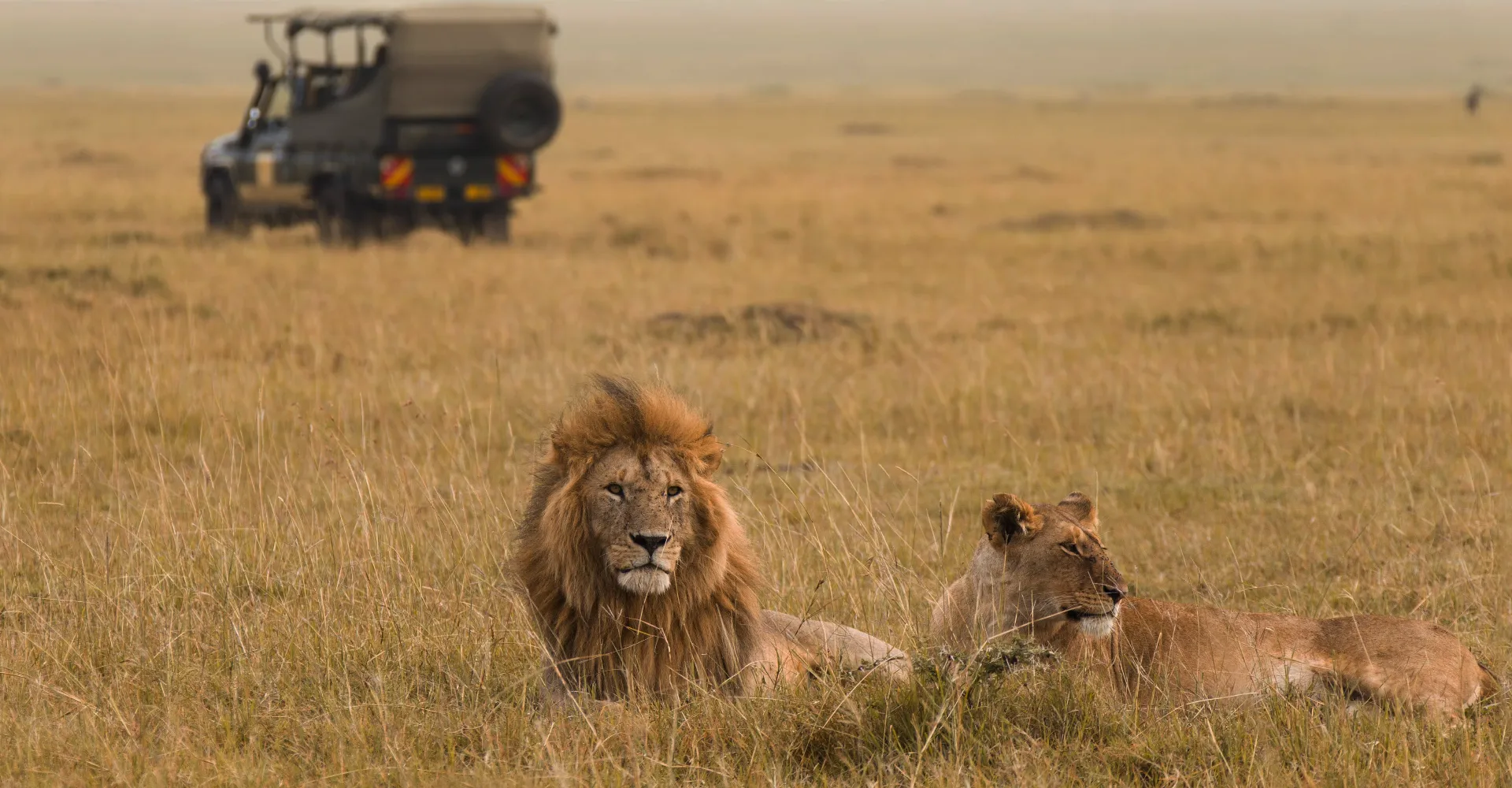
Your Kenya Adventure Begins
A crown of safari gems: Maasai Mara, Great Migration,
Mount Kenya, Amboseli & Zanzibar
Why Kenya Belongs on Your Travel List
Made for Families, Groups & Wild Escapes
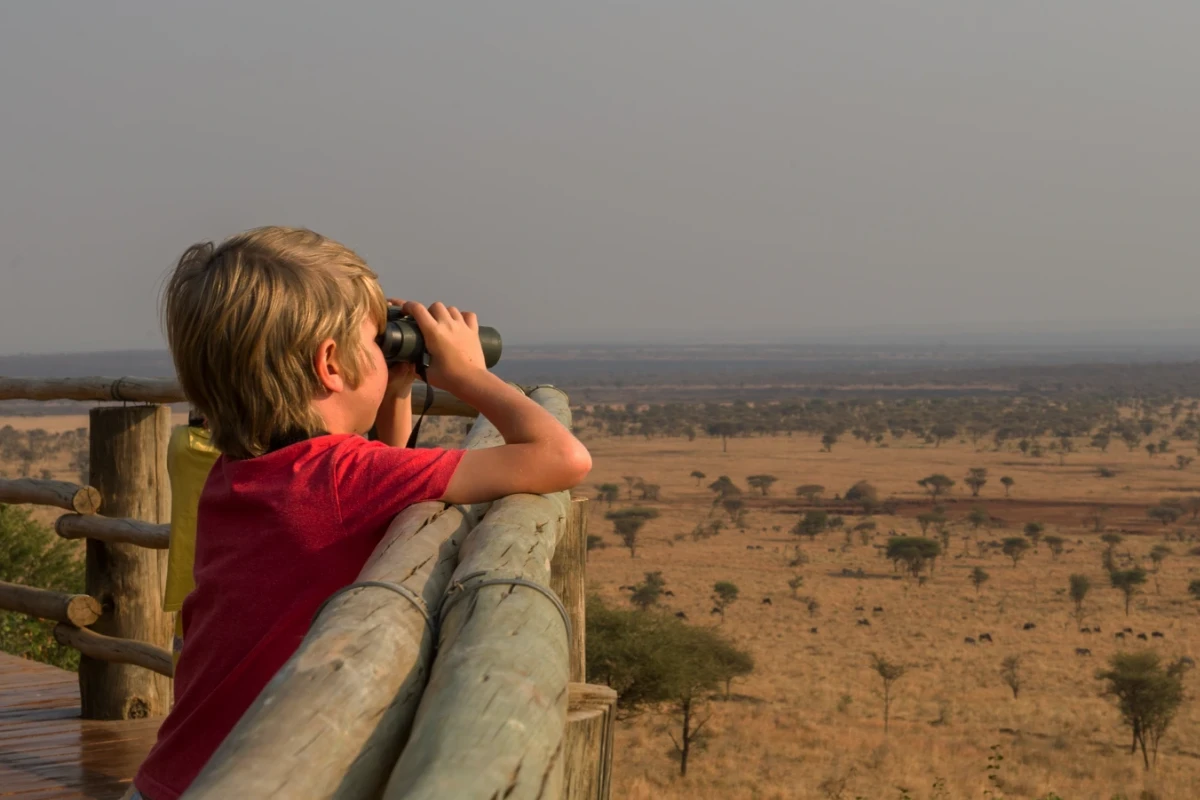
Kenya suits travellers who want variety without constantly changing countries. Families can pair gentle game drives with beach days, while groups can mix wildlife, culture, hiking and scenic road journeys. The Maasai Mara, Amboseli and Tsavo each offer a different safari atmosphere, giving first-time visitors plenty to discover. Nairobi adds city energy, while the coast brings warm water, historic towns and a slower rhythm. You can keep the itinerary active or leave space for long lunches, photography and quiet evenings at camp. This balance makes Kenya easy to shape around ages, interests and travel styles. Each region adds character without making the journey feel rushed.
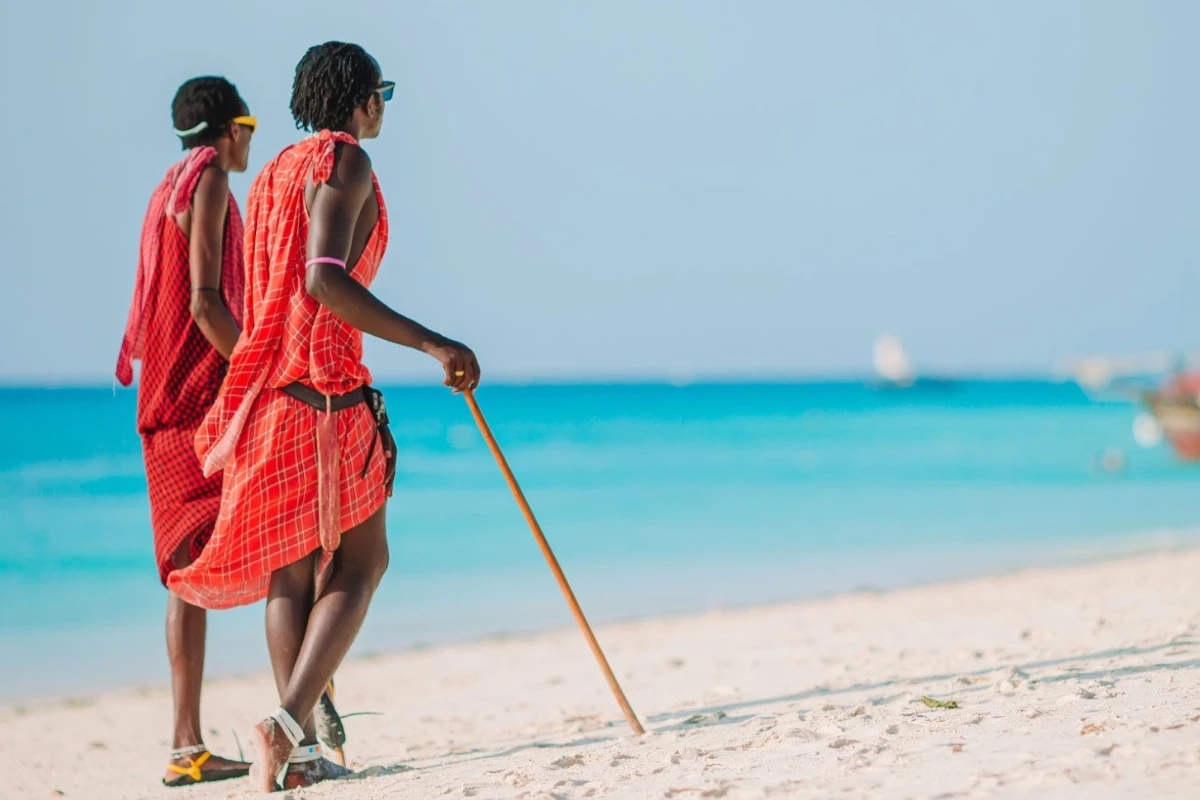
Wildlife may draw you in, but Kenya gives you many reasons to stay. Meet local communities, explore Rift Valley lakes, trek through mountain landscapes, take a balloon flight over the Mara or finish beside the Indian Ocean. The country connects adventure and relaxation naturally, so a safari can feel as varied as the landscapes around it. Each region changes the mood without losing the sense of place. That flexibility suits travellers with different interests.
Choose Kenya for a journey that can combine wildlife, culture, mountains and coast. Whether you want a first safari, family holiday, private escape or longer adventure, the country leaves room to make the experience your own.
Kenya, Your Way
Kenya, your way starts with deciding what matters most. Follow the Great Migration in the Mara, watch elephants beneath Mount Kilimanjaro, explore northern landscapes, or finish with a few nights beside the ocean. You can choose private drives, camps, group travel or a slower itinerary built around photography and local experiences. Good planning keeps travel sensible while giving each destination room to breathe. Families may want shorter drives and flexible days, while photographers might prefer longer sessions. Couples can add cultural visits or coastal downtime without turning the trip into a rushed checklist. The route should follow your interests, not the other way around.
A classic first journey could link Nairobi, the Rift Valley, Maasai Mara and the coast. A return visit might head towards Samburu, Tsavo or less familiar corners of Kenya. Different regions create different experiences, from predator sightings and elephant encounters to birding, walking and cultural visits. You can also add Mount Kenya for a more active trip. Keep extra nights where wildlife, scenery or local experiences deserve the most of your time and attention.
Go deep into the wilderness, slow the pace, or combine both. Kenya gives you plenty of ways to decide how much wildlife, adventure, culture, comfort and downtime belong in your journey.
At Lifetime Safaris, We Shape
More Than Your Safari
As destination specialists, we bring knowledge and passion to every trip, designing journeys that reveal Kenya's unique character and spirit through thoughtful planning and local insight.
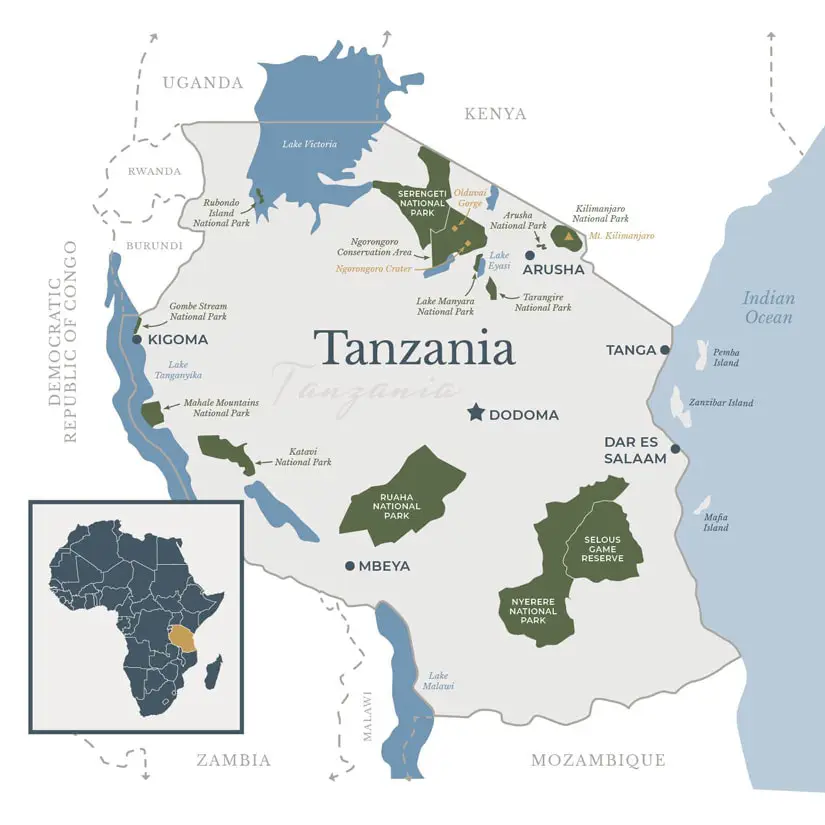
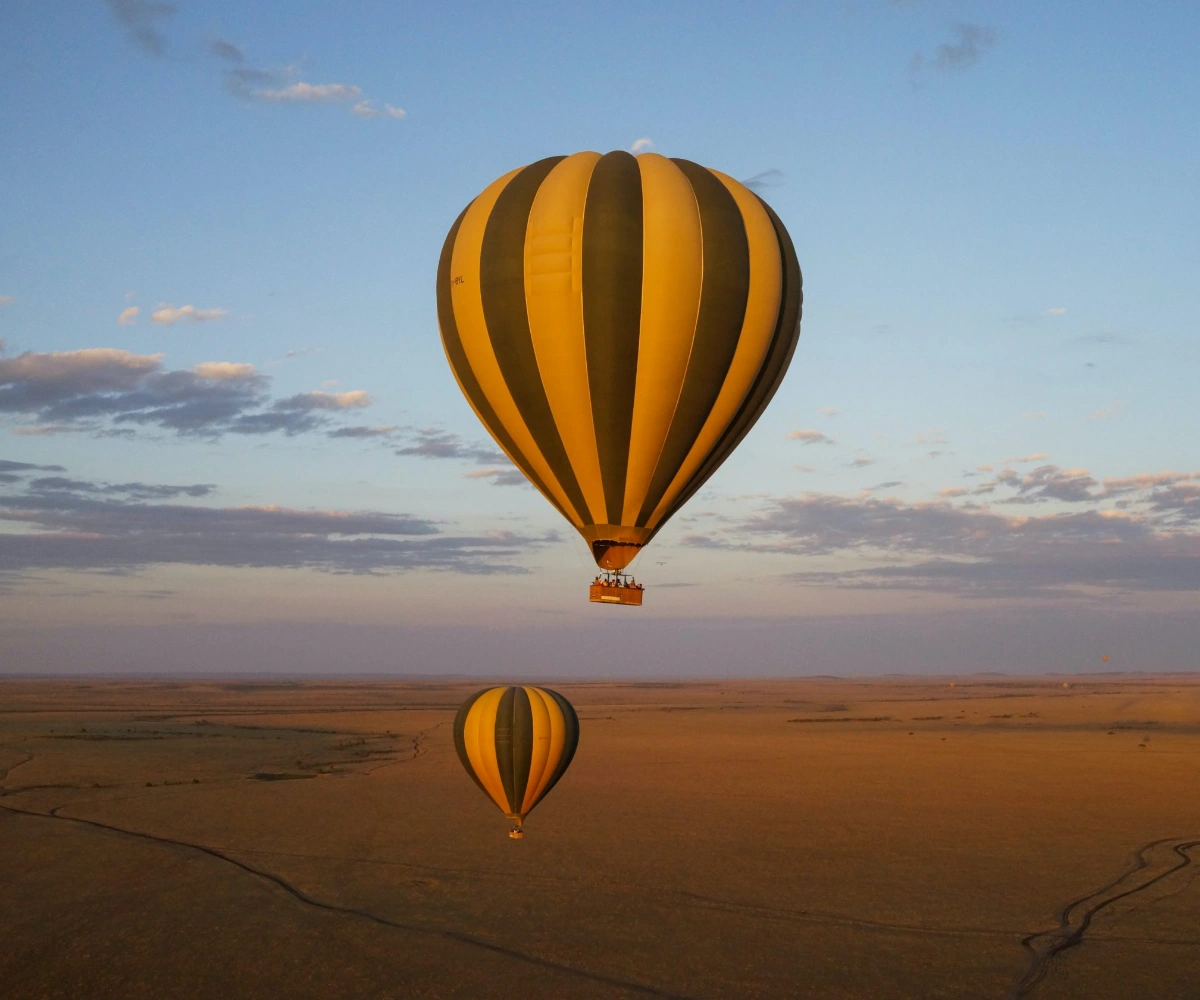
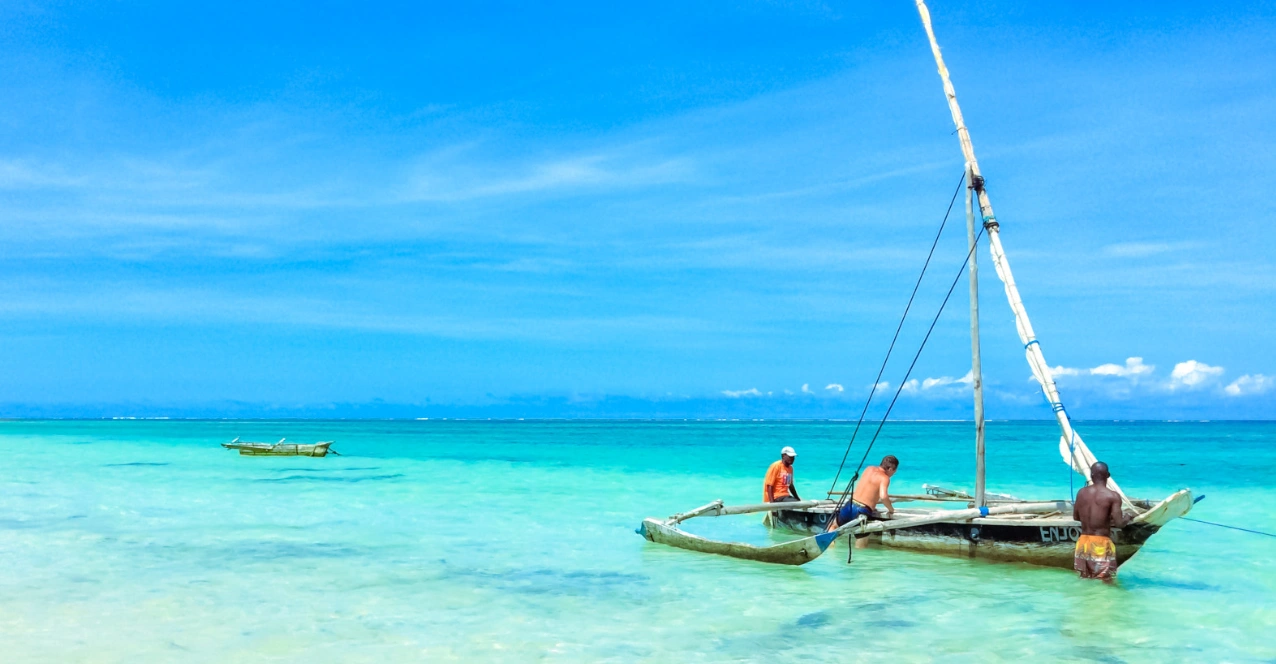
Kenya brings together spectacular wildlife, dramatic landscapes, rich cultures and beautiful coastlines in one unforgettable journey.
Where We Travel
Embark on an extraordinary journey in one of our
favorite destinations.
When To Experience Kenya
Choose the season that best fits your
Kenya safari and travel plans.
Kenya works across different seasons, with changing wildlife patterns, weather, landscapes and visitor numbers. The right travel window depends on your route, priorities and preferred experiences. A thoughtful plan helps match the calendar with the safari you want most.
- January
- February
- March
- April
- May
- June
- July
- August
- September
- October
- November
- December
- Best
- Good
- Mixed
Plan Around Wildlife, Weather & Your Route
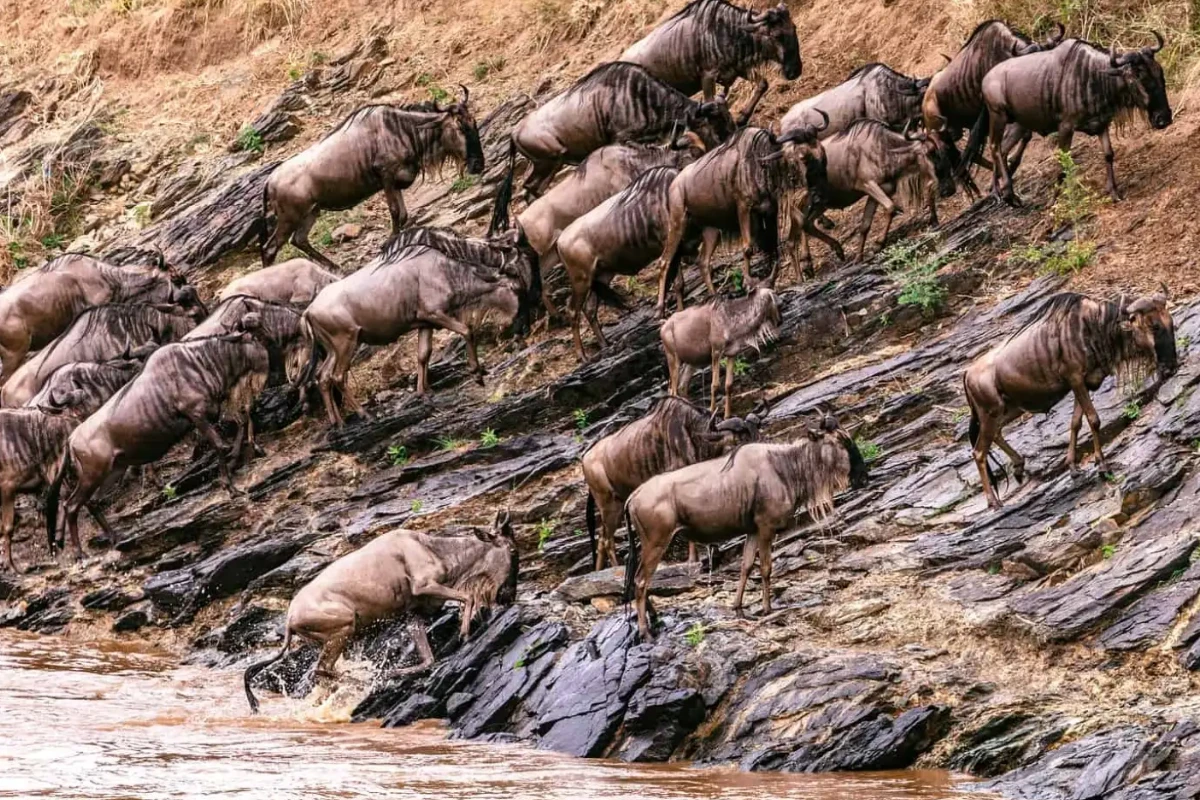
For classic Kenya safari conditions, July through October often brings dry weather, clear skies and wildlife viewing across many reserves. Water becomes less widespread, vegetation thins and animals may gather around dependable sources. The Maasai Mara can become especially busy when the Great Migration reaches the reserve, while Amboseli offers memorable elephant sightings against Mount Kilimanjaro. January and February can also provide favourable conditions in several regions, with warm days and good opportunities for game drives. Early mornings may feel cool, but daytime temperatures usually suit long drives and outdoor activities. This period appeals to travellers who prefer predictable weather and easier road conditions.
The wetter months create a different Kenya experience. March to May brings the long rains, while shorter rains often arrive around October and November. Landscapes become greener, some roads may become harder to navigate, and visitor numbers can fall in selected areas. January and February can suit travellers combining safari with coastal stays, while wildlife remains present throughout the year. Quieter months may offer rewarding photography and more relaxed time in certain parks.
There is no single perfect month for every Kenya safari. Match the season to the wildlife event, park, route, weather preference and travel style that matter most to you. A flexible plan can make each season work well.
Kenya, Your Way
Kenya, your way means choosing timing around your priorities rather than following a calendar. A migration-focused journey may centre on the Maasai Mara when herds move through the reserve, while a mountain itinerary needs a different weather window. The coast can add beach time after your safari. Start with the experience you want, then choose regions and dates that support it. This approach works well for safaris, family trips, photography journeys and combinations that include trekking or coastal stays. It also leaves room to adjust the pace when one destination deserves more time. The result is a journey shaped around what matters to you.
Families may prefer drier conditions, while photographers can value greener backgrounds and softer light. The right choice depends on what you want the day to feel like. Use the calendar as a guide for matching conditions with your plans. Some months suit wildlife concentration, others suit landscapes, lower visitor numbers or a wider route. Good planning makes those differences useful rather than limiting your options.
Tell us what you want to see, then build the season and route around it. Across safari mornings and coastal evenings, timing can help the whole journey feel balanced, personal and purposeful from start to finish.
Plan Your Tanzania Journey With
Local Safari Experts
Share your ideas and let our team shape the trip around you.
- Honest advice from local experts
- Routes designed around your personal travel interests
- Save hours with practical safari planning support







Travel Guide To Visit Kenya
Easy to read Tanzania travel guide with what's rated,
underrated or overrated

Hear From Our Travellers
Hear from travellers who discovered Tanzania with Lifetime Safaris
and shared their experiences
Good guide is very important
High recommend Danford and Lifetime Safaris! Danford is a skilled attentive driver with deep Safari knowledge and great instincts.

Paulo P
Love Lifetime Safaris
Great safari with our guide Humphrey! Safari roads are crazy and we felt safe, comfortable and well supported the whole time.
Kerri P
An unforgettable safari experience
An unforgettable experience indeed! We travelled with our friends and it’s a total six of us. Our guide Danford was excellent.
Stephen M
Trip of a lifetime with guide James
We have just recently returned from Tanzania, an absolute trip of a lifetime made even more special because of our guide James.
Cindy
Wonderful adventure in Tanzania
Wonderful adventure in Tanzania visiting local villages and markets, Materuni waterfalls, Tarangire, Serengeti, and Ngorongoro parks.
Oscar
Unforgettable Safari Experience
We had an incredible experience on our safari, and a huge part of that was thanks to our amazing guide James "Bond".
stephen k
Ready to plan?
Tell us your interests, dates, and ideas, and we’ll help
shape your Tanzania safari journey
Journeys
Explore Tanzania with journeys shaped around your interests, pace, and travel style.
Contact Us
Have questions about your Tanzania safari? Speak with our local team and start planning your journey.