

Discover The Places That Define Tanzania
From the Serengeti National Park and Ngorongoro Crater to elephant
country and the quieter southern wilderness
Why Explore Tanzania’s Wild Places?
Tanzania’s Iconic Safari Destinations
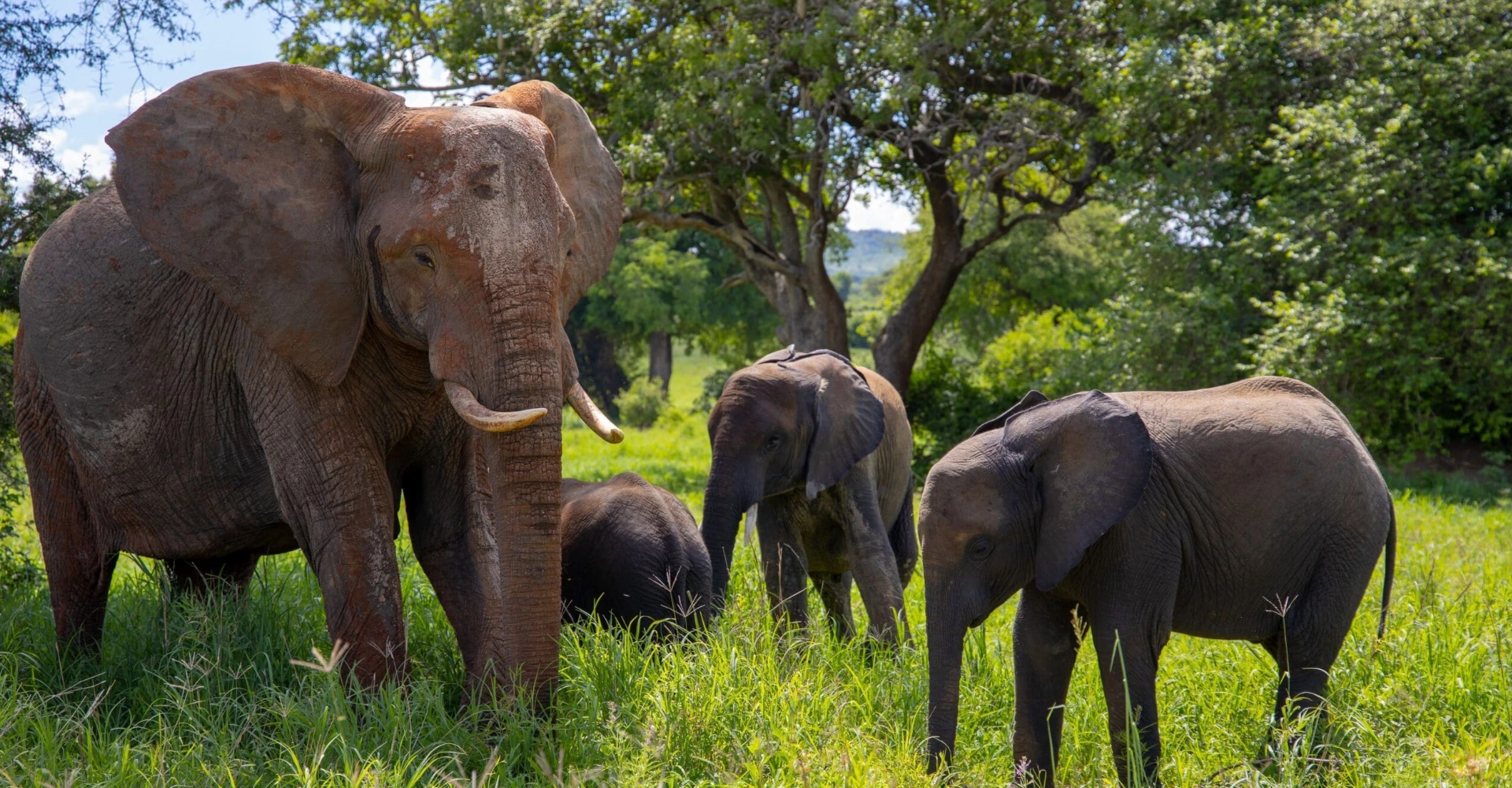
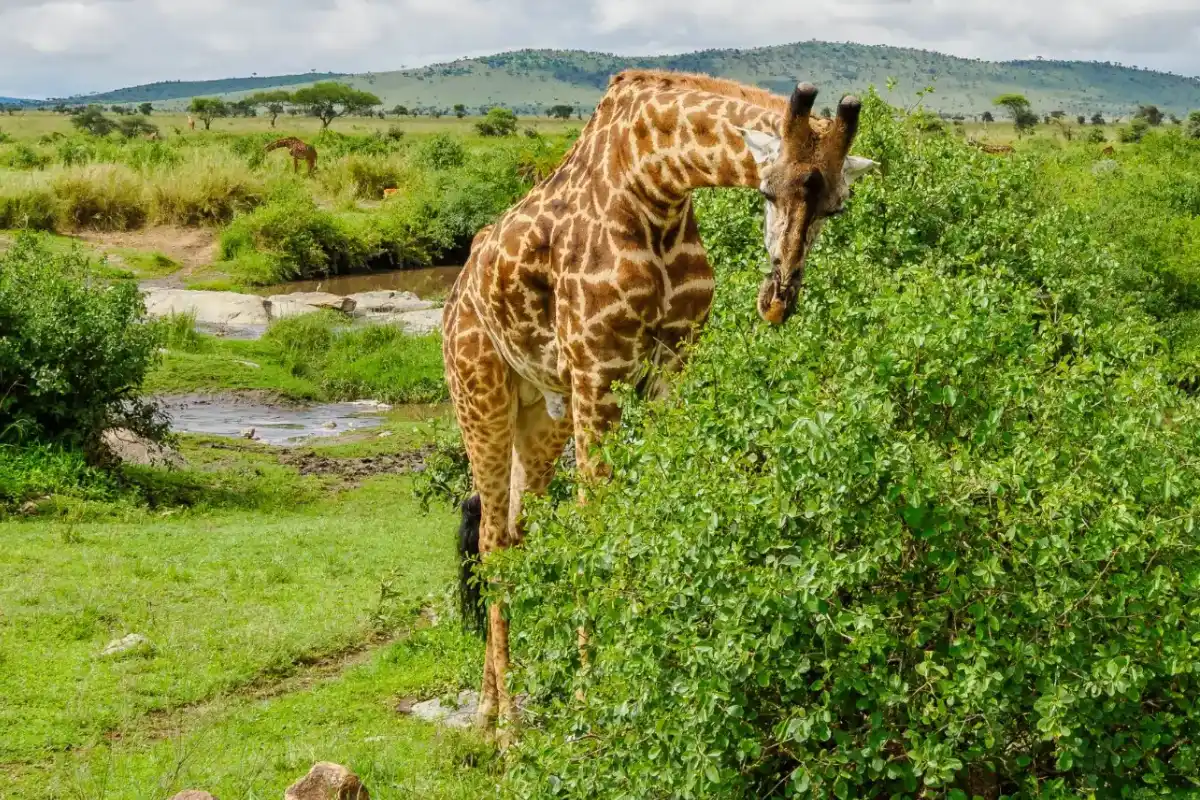
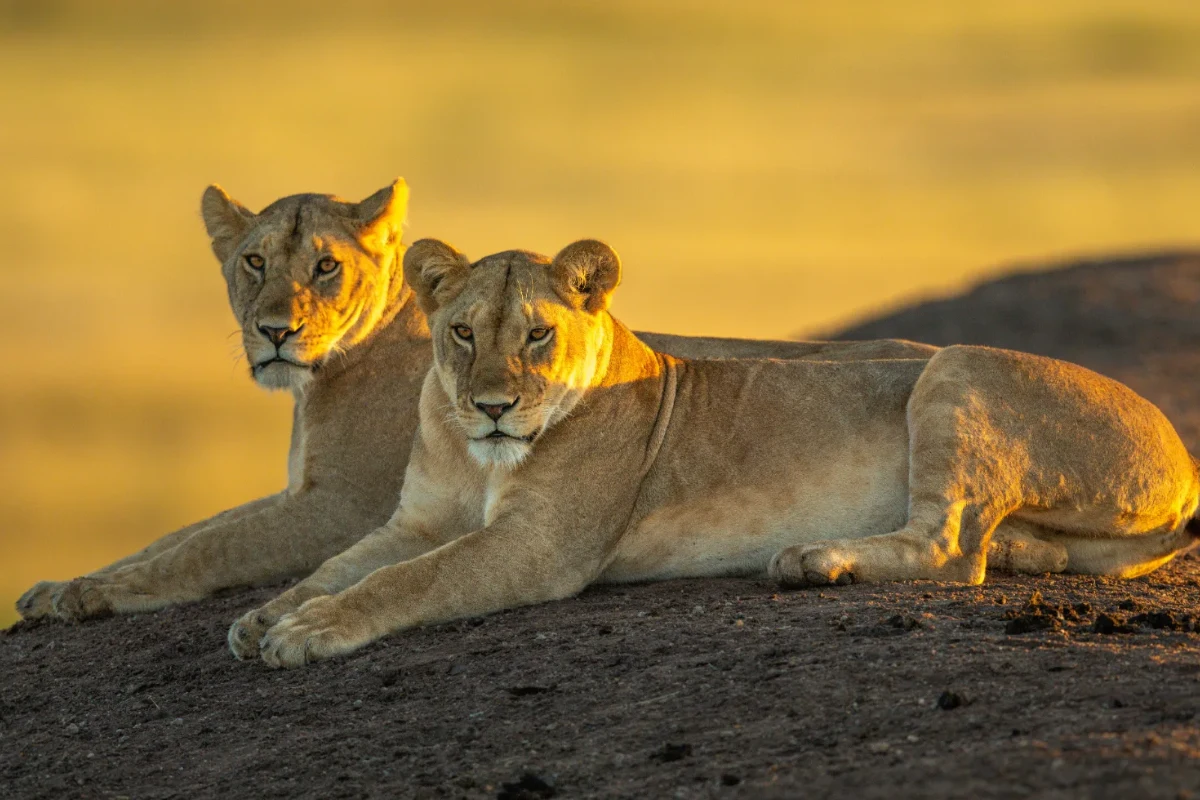
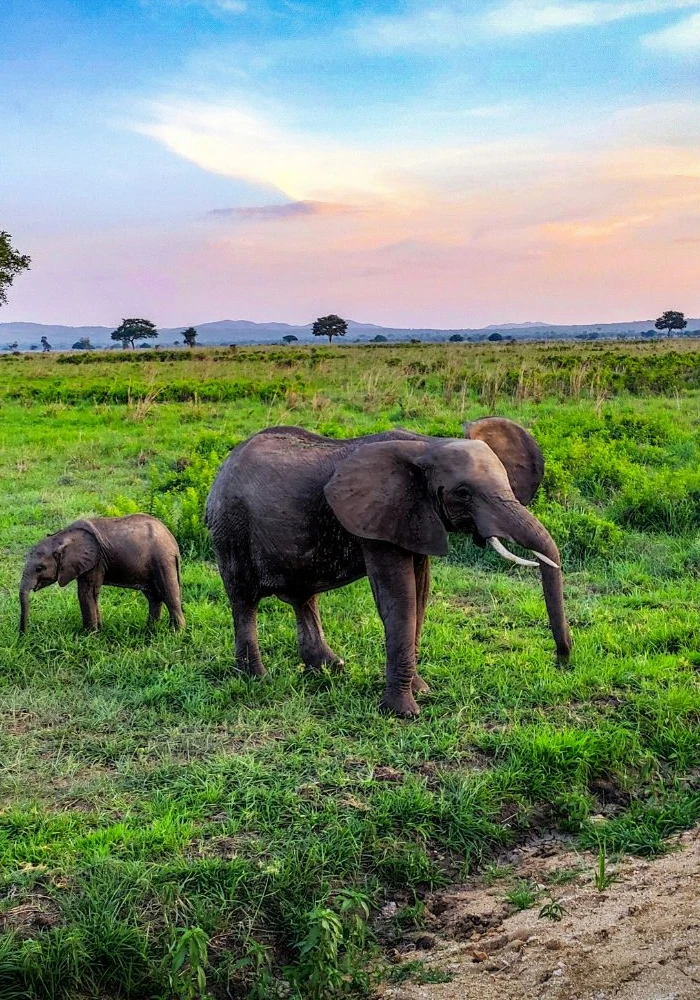
Tanzania brings together some of East Africa's most remarkable Tanzania safari destinations, each with a distinct landscape and wildlife experience. Serengeti National Park is famous for vast plains and the Great Migration, while the Ngorongoro Crater offers dramatic volcanic scenery and abundant wildlife. Tarangire National Park adds elephant-rich woodland and giant baobabs, and Lake Manyara National Park combines forest, wetlands and lake views. Arusha provides mountain landscapes close to the safari gateway, while Ruaha National Park opens the door to the quieter southern circuit. Together, these places create a destination where travellers can experience several sides of Tanzania on one carefully planned journey.
The country also gives travellers plenty of choice in how they experience its wild places. Follow wildlife movements, search for big cats, photograph elephants or explore varied habitats. Dry months often make wildlife easier to locate, while wetter periods bring fresh vegetation, greener scenery and different birdlife. Choosing destinations that match your travel dates can make the journey more rewarding and help you spend time in places that suit your interests best throughout Tanzania.
Tanzania is not one safari experience. It is a collection of places, each with its own character, wildlife and scenery. The right combination can turn a visit into a journey that feels varied, unrushed and connected to Tanzania.
Plan Your Tanzania Journey Around You
The best way to explore Tanzania depends on what you want from the journey. A classic northern route can connect Tarangire, Ngorongoro and Serengeti, while Lake Manyara or Arusha can add different habitats and activities. Travellers with more time can head south towards Ruaha, where expansive landscapes offer a quieter safari atmosphere. Families may prefer shorter drives and varied stops, photographers may prioritise particular wildlife areas, and repeat visitors may look beyond the busiest routes. Building the itinerary around these priorities gives each destination a clear purpose instead of simply collecting parks. This approach keeps the journey practical, balanced and comfortable from start to finish.
Timing can be just as important as choosing the destination. June to October is the main dry season and a popular period for wildlife viewing, while February is notable in the Serengeti ecosystem for the calving season. The wetter months can bring greener landscapes and strong birdwatching opportunities. Your travel month, preferred wildlife experiences and appetite for different conditions can therefore shape which places deserve the most time on your itinerary.
The places you choose should work together. A thoughtful route balances wildlife, scenery, travel time and the pace you enjoy, leaving enough space to appreciate each destination rather than rushing from one park to another throughout the trip.
At Lifetime Safaris, We Help You Discover More Than A Destination
Our knowledge of Tanzania’s parks, wildlife and landscapes helps us create journeys that connect the right places with the way you want to travel.
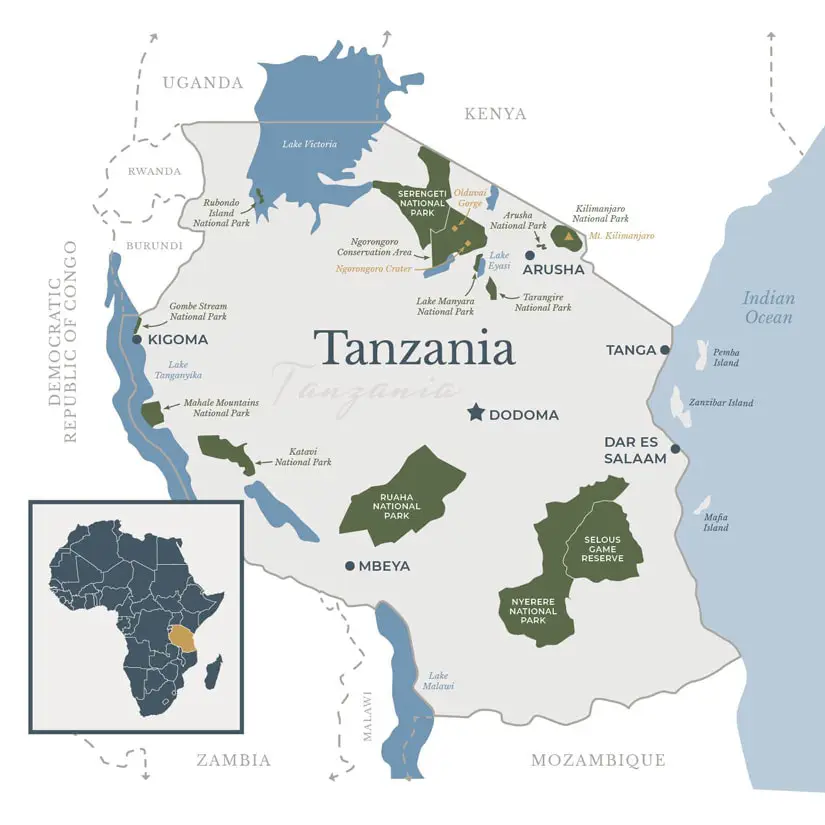
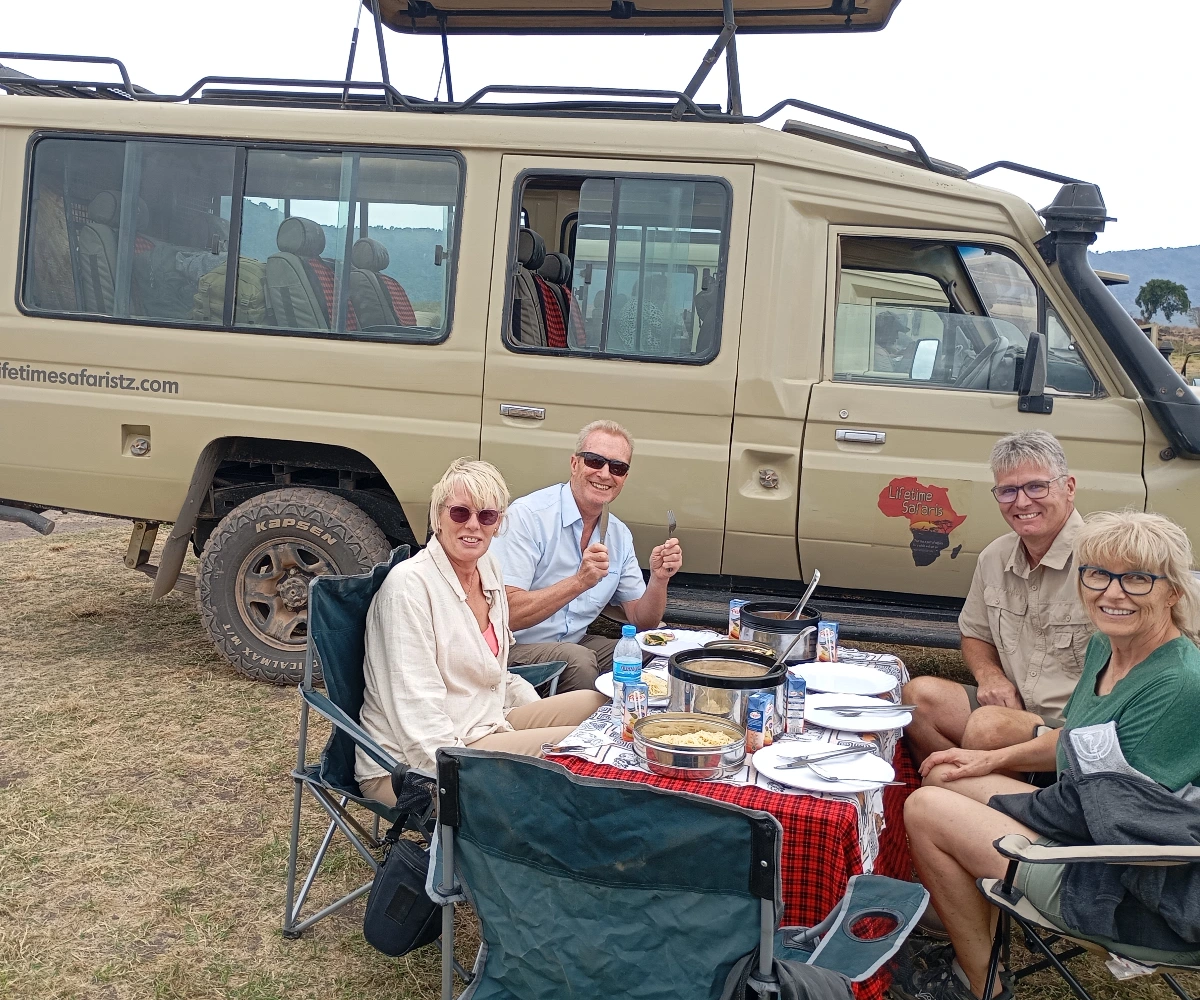
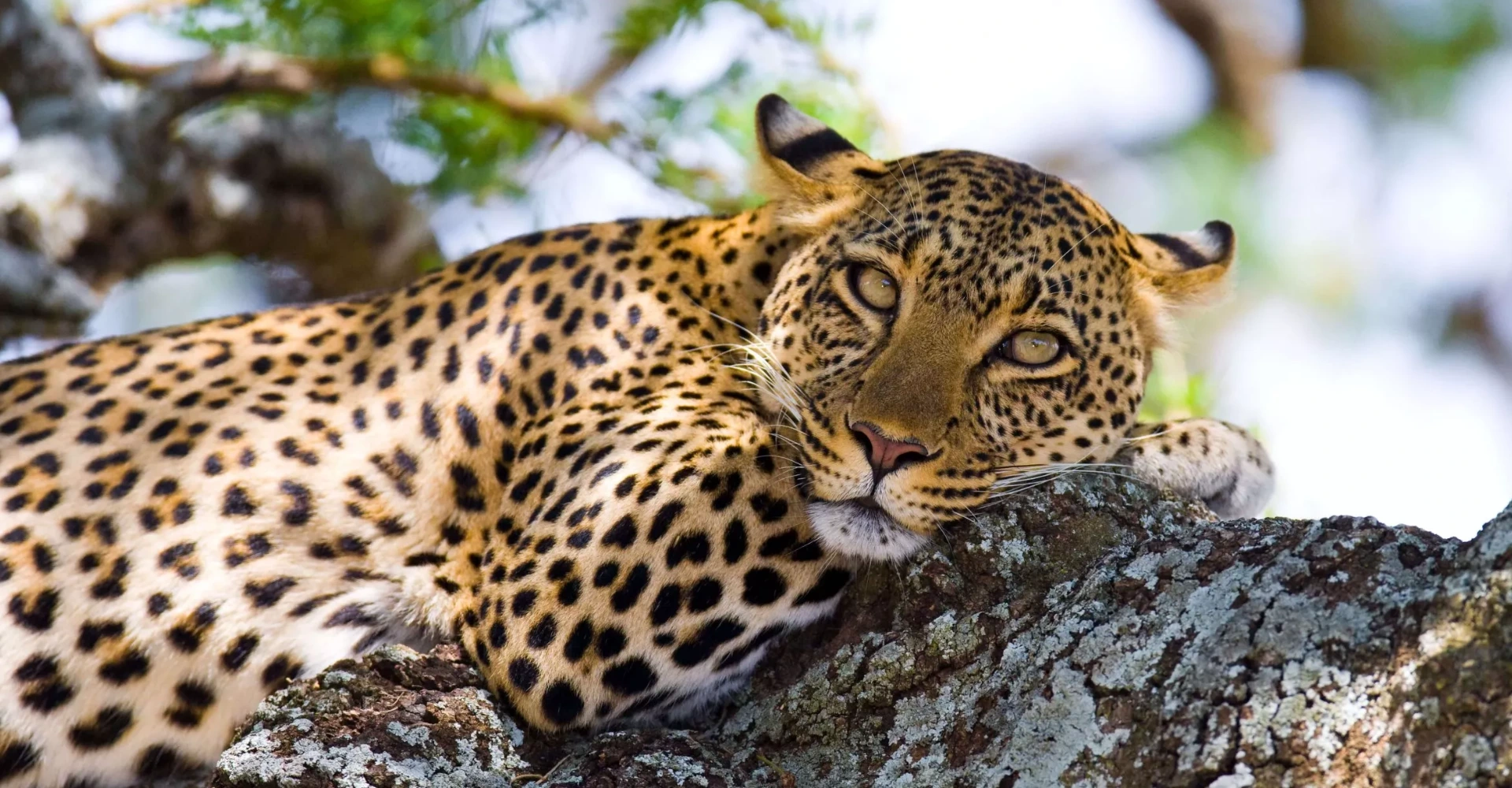
From Serengeti plains and volcanic craters to elephant country and southern wilderness, Tanzania offers a place for every kind of safari.
Explore Tanzania Your Way
Explore Tanzania through wildlife, landscapes, culture,
mountains, beaches, and safari journeys
When To Visit Tanzania’s Safari Destinations
Choose your travel month around the places, wildlife
and experiences you want most.
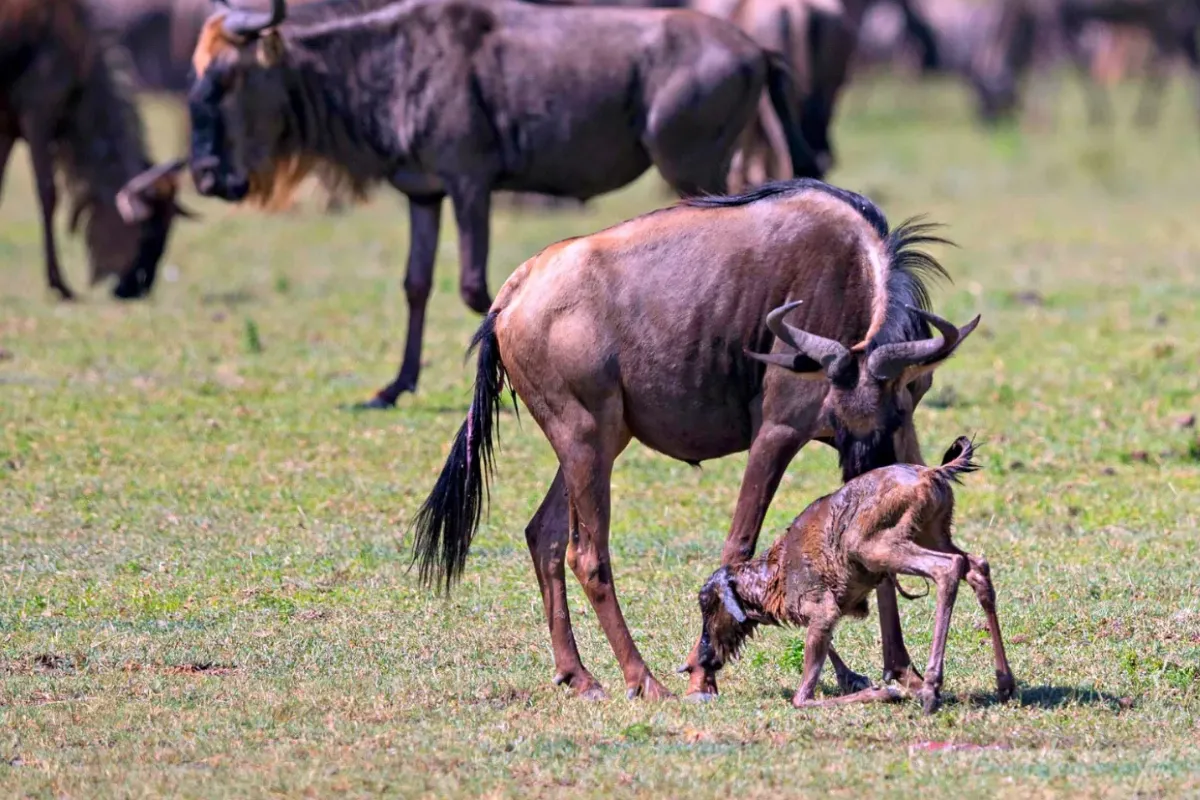
Tanzania can be visited throughout the year, but each season changes the character of the safari. The dry season from late June to October is generally considered the best period for wildlife viewing, while wetter months bring greener landscapes, migratory birds and important wildlife activity such as the Serengeti calving season.
- January
- February
- March
- April
- May
- June
- July
- August
- September
- October
- November
- December
- Best
- Good
- Mixed
Dry Season: Best For Wildlife Viewing
June to October is the main dry season across much of Tanzania and a popular period for exploring national parks. With less rainfall and thinner vegetation, wildlife can be easier to locate around rivers, lakes and other reliable water sources. Serengeti becomes especially important during the Great Migration, although the exact movement of herds changes each year. July and August are peak safari months, while September can bring similarly dry conditions with slightly fewer visitors in some areas. Tarangire is also rewarding during the dry season, when elephants and other animals gather around the Tarangire River and remaining water sources. This period suits wildlife photography.
January and February offer a different kind of safari in the Serengeti ecosystem. February falls within the calving period, when large numbers of wildebeest give birth and predators become active around the herds. The landscape is greener, fresh vegetation spreads across the plains and birdlife can be particularly rewarding. Conditions vary across Tanzania, so your route should still reflect the parks you want to visit and the experiences you hope to have.
April and May bring the long rains, while November and December bring shorter rains. Wet conditions can create greener scenery, fresh growth and fewer visitors, although roads and travel times may vary. These seasonal changes can shape the safari experience.
Green Season: Landscapes, Calving & Birdlife
Choosing when to visit Tanzania is closely connected to where you want to go. The dry season is popular for general game viewing, but different destinations have their own seasonal highlights. Serengeti may be chosen for migration activity, Ngorongoro for year-round wildlife, Tarangire for dry-season concentrations, and Ruaha for a quieter southern safari. February can be particularly appealing for the Serengeti calving season, while the wetter months offer green landscapes and strong birdwatching opportunities. Rather than looking for one perfect month, consider which places and experiences matter most to you before setting your travel dates. This approach can create a smoother, focused journey through Tanzania.
Tanzania’s weather changes across regions and months, so conditions should form part of your itinerary planning. The long rains can make some journeys wetter, while the dry months can be busier and more expensive. Shoulder periods may offer a balance between conditions and visitor numbers. A well-planned route takes account of rainfall, wildlife movements and the pace you prefer, allowing you to spend time in each destination instead of trying to cover too much ground during one safari.
The best travel window depends on your priorities. Decide whether wildlife movement, dry conditions, green scenery, fewer visitors or birdlife matters most, then choose destinations that fit those goals. That choice can make the itinerary feel more natural.
Plan Your Tanzania Journey With
Local Safari Experts
Share your ideas and let our team shape the trip around you.
- Honest advice from local experts
- Routes designed around your personal travel interests
- Save hours with practical safari planning support







Your Tanzania Safari Travel Guide
Practical advice on Tanzania safari destinations, seasons,
activities, and planning your journey.


Hear From Our Travellers
Hear from travellers who discovered Tanzania with Lifetime Safaris
and shared their experiences
Good guide is very important
High recommend Danford and Lifetime Safaris! Danford is a skilled attentive driver with deep Safari knowledge and great instincts.

Paulo P
Love Lifetime Safaris
Great safari with our guide Humphrey! Safari roads are crazy and we felt safe, comfortable and well supported the whole time.
Kerri P
An unforgettable safari experience
An unforgettable experience indeed! We travelled with our friends and it’s a total six of us. Our guide Danford was excellent.
Stephen M
Trip of a lifetime with guide James
We have just recently returned from Tanzania, an absolute trip of a lifetime made even more special because of our guide James.
Cindy
Wonderful adventure in Tanzania
Wonderful adventure in Tanzania visiting local villages and markets, Materuni waterfalls, Tarangire, Serengeti, and Ngorongoro parks.
Oscar
Unforgettable Safari Experience
We had an incredible experience on our safari, and a huge part of that was thanks to our amazing guide James "Bond".
stephen k
Ready to plan?
Tell us your interests, dates, and ideas, and we’ll help
shape your Tanzania safari journey
Journeys
Explore Tanzania with journeys shaped around your interests, pace, and travel style.
Contact Us
Have questions about your Tanzania safari? Speak with our local team and start planning your journey.