

A Safari Full of Surprises
Tree-climbing lions, pink flamingos, lush forests and dramatic Rift Valley landscapes in
one remarkable park
Why visit Lake Manyara?
Explore Diverse Landscapes and Wildlife
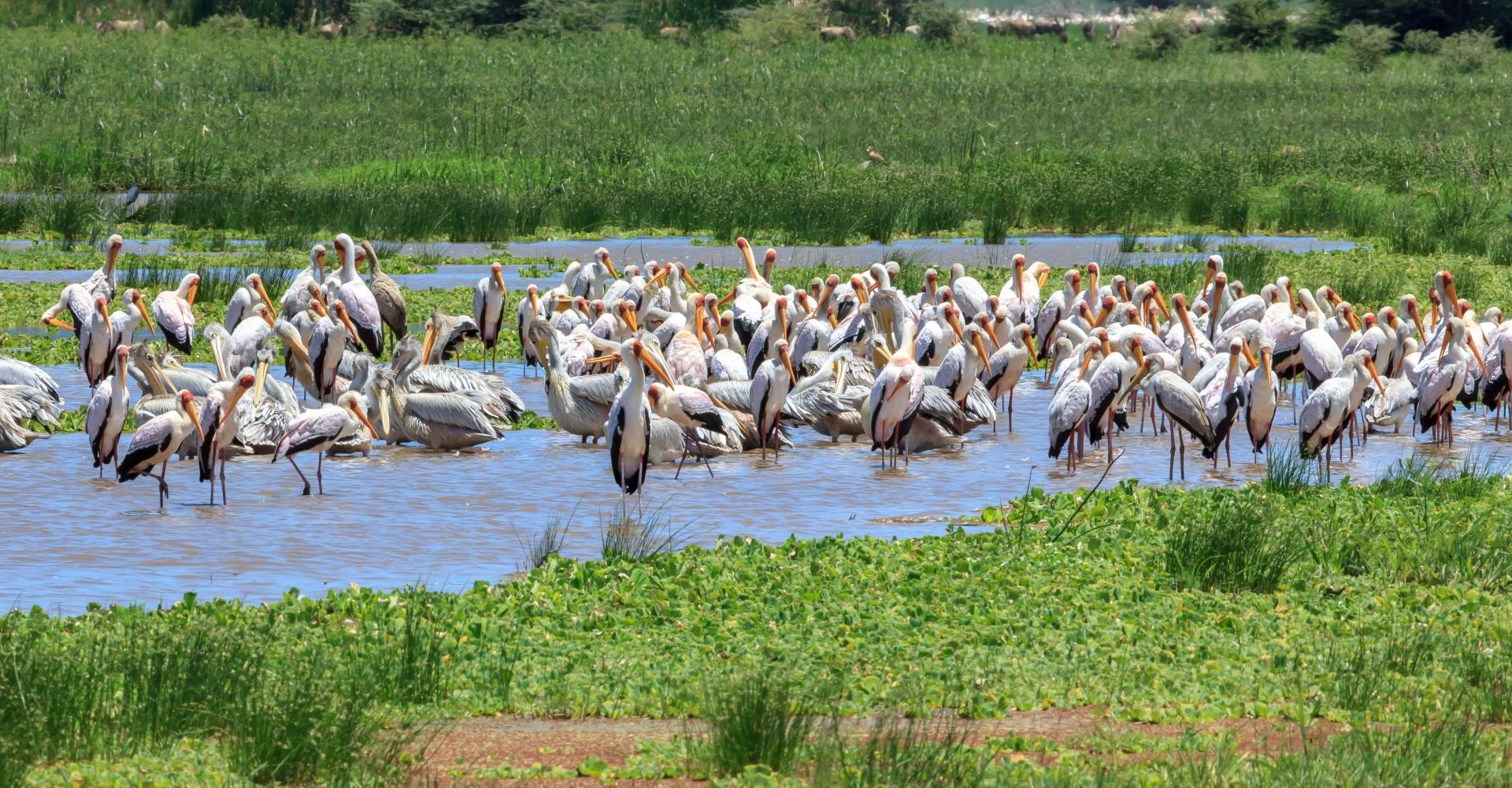
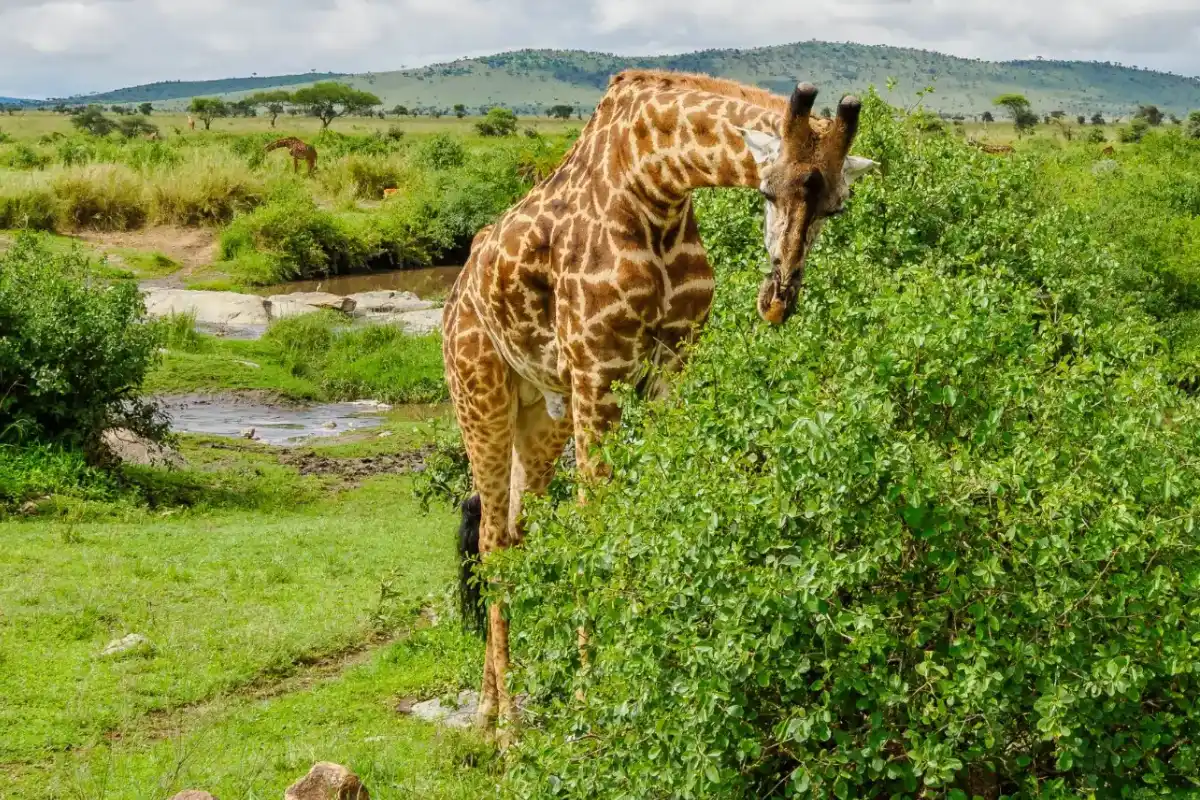
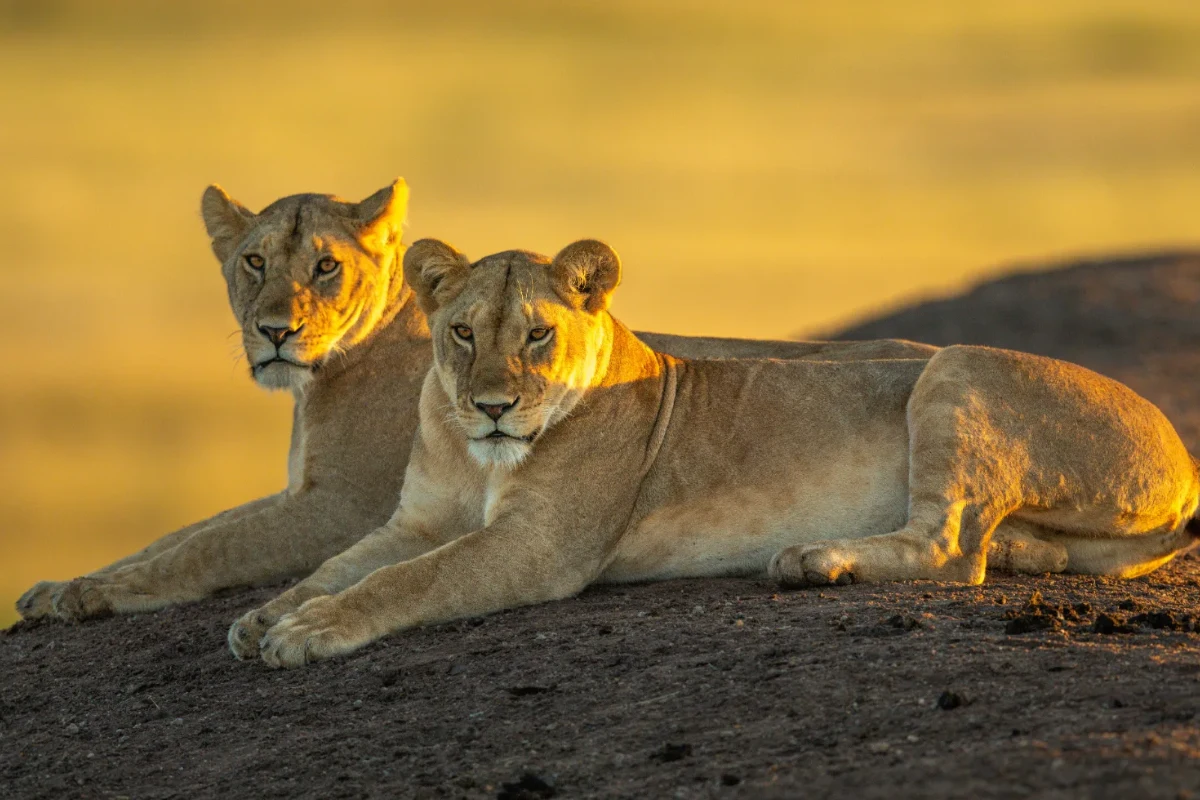
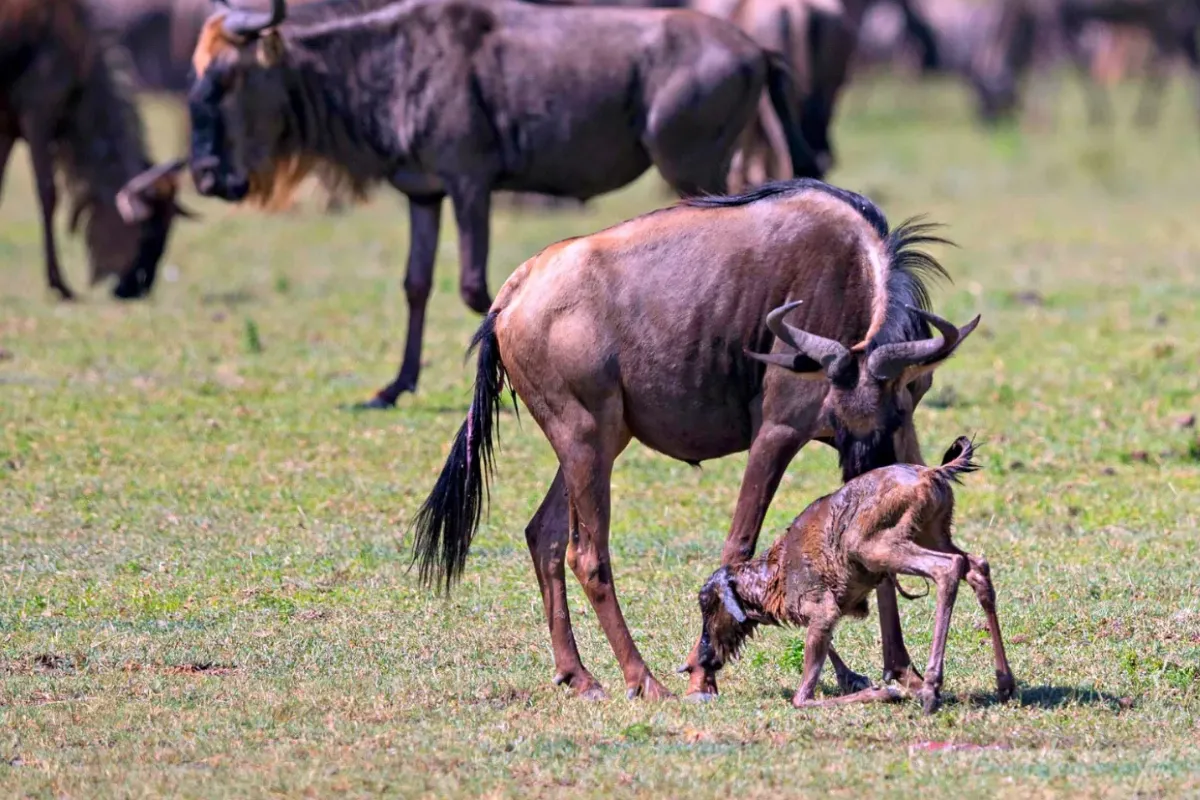
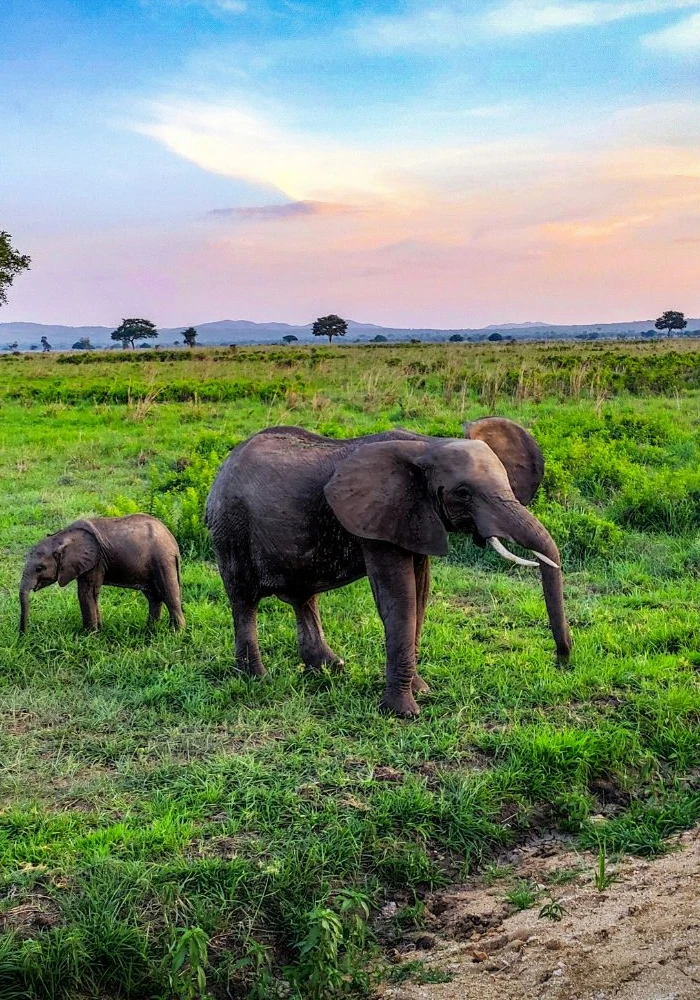
Lake Manyara National Park packs an impressive variety of landscapes and wildlife into a relatively compact area. Set beneath the western wall of the Great Rift Valley, the park moves from lush groundwater forest to open floodplains, acacia woodland and the shallow alkaline lake. Elephants, buffalo, giraffe, zebra, wildebeest, hippos and numerous bird species can be seen across these contrasting habitats. The park is especially famous for its unusual Tree-Climbing Lions, which sometimes rest on the broad branches of acacia trees. For travellers who enjoy scenery as much as wildlife, the combination of forest, lake, escarpment and open plains makes every game drive feel different.
The park also offers experiences beyond a traditional game drive. The groundwater forest provides habitat for blue monkeys, baboons and a variety of colourful birds, while the lake attracts flamingos and other waterbirds when conditions are suitable. Visitors can explore by vehicle, walk along selected routes, experience the canopy walkway or spend time birdwatching around the wetlands and forest edges. The park's changing scenery makes it particularly appealing to families and first-time safari travellers who want to experience several ecosystems without covering huge distances.
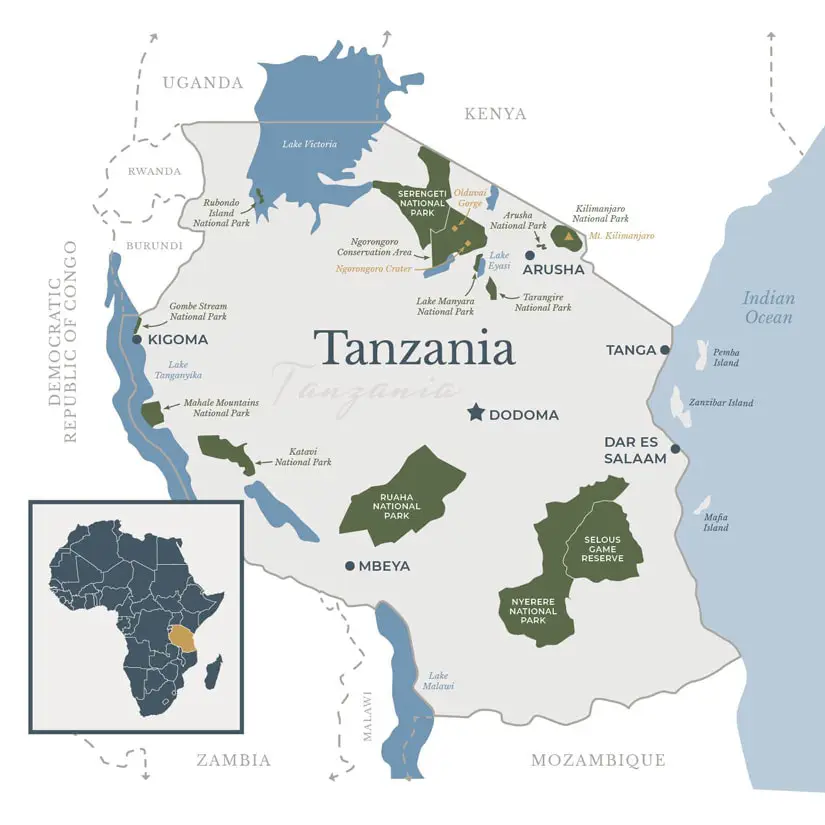
Lake Manyara also fits easily into a northern Tanzania safari. Located along the route between Arusha, Tarangire and Ngorongoro, it works well as a short visit or an overnight stop. Even a single Lake Manyara Safari game drive can reveal forest, wildlife, lake scenery and the Rift Valley escarpment.
Enjoy Varied Safari Experiences
Lake Manyara National Park offers a safari experience built around contrast. The park covers about 648.7 square kilometres and sits beneath the dramatic Rift Valley escarpment. Groundwater springs support lush evergreen forest, while open woodland, floodplains, wetlands and the alkaline lake create additional habitats. This remarkable variety means that the landscape can change noticeably within a short drive, giving visitors a different view around almost every bend.
The experience can be shaped around your interests and pace. Wildlife lovers can search for elephants, buffalo, giraffes and the park's famous tree-climbing lions, while photographers can focus on flamingos, forest scenes and the towering escarpment. Birdwatchers have plenty to explore around the lake, wetlands and woodland, while families can enjoy activities such as the canopy walkway and selected guided experiences. The park's compact size makes it possible to combine several experiences without spending the entire day travelling between locations.
Lake Manyara works particularly well alongside other northern Tanzania destinations. It can be combined with Tarangire for elephants and baobabs, Ngorongoro for crater wildlife or Serengeti for expansive plains and seasonal migrations. Together, these destinations create a varied safari itinerary with different landscapes and wildlife experiences.
Explore Tanzania Your Way
Explore Tanzania through wildlife, landscapes, culture,
mountains, beaches, and safari journeys
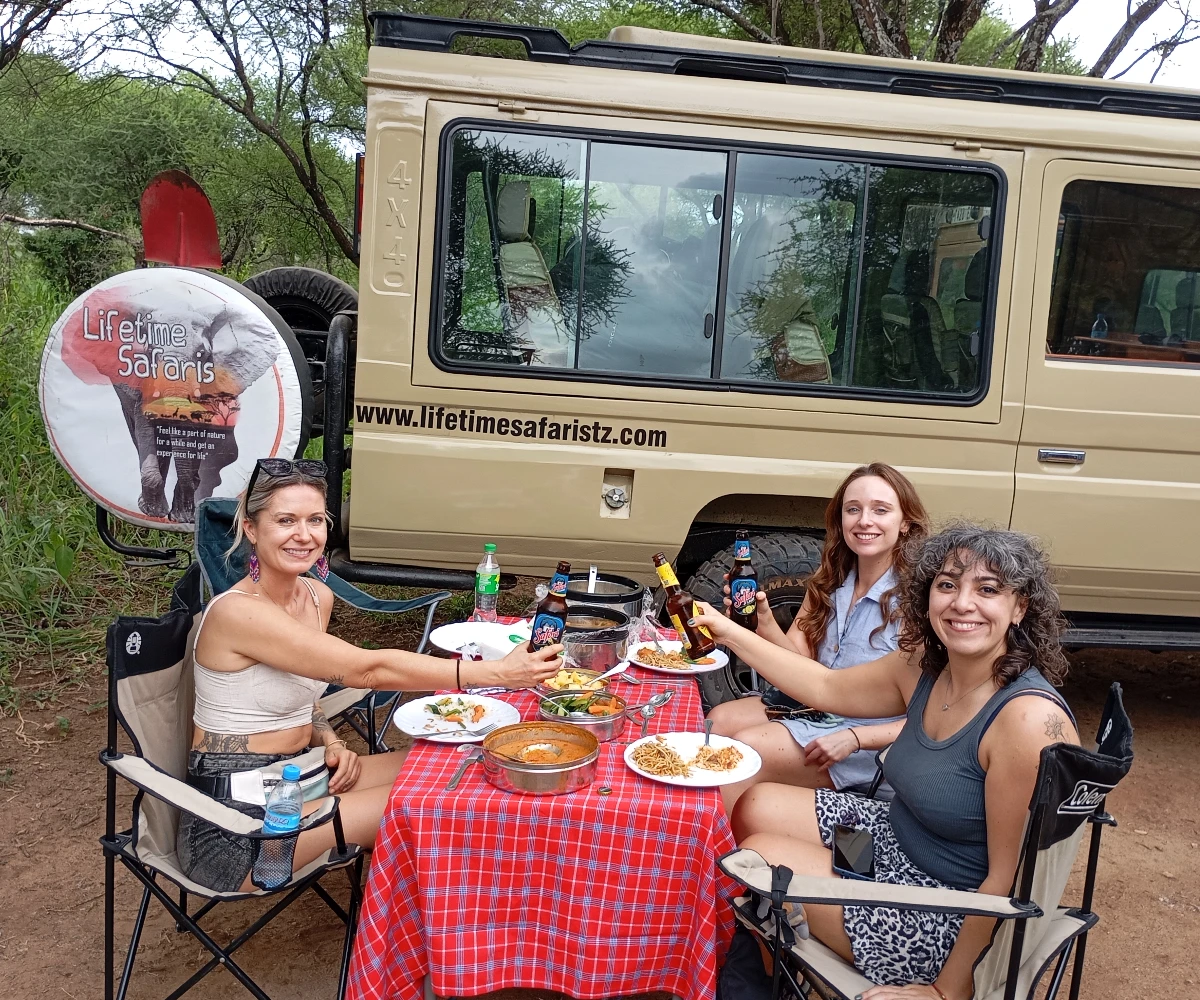
At Lifetime Safaris, we don’t just organise your safari; we create the experience around you
As destination specialists, we combine local knowledge, thoughtful planning and a passion for Tanzania to create journeys shaped around your interests, pace and travel style.
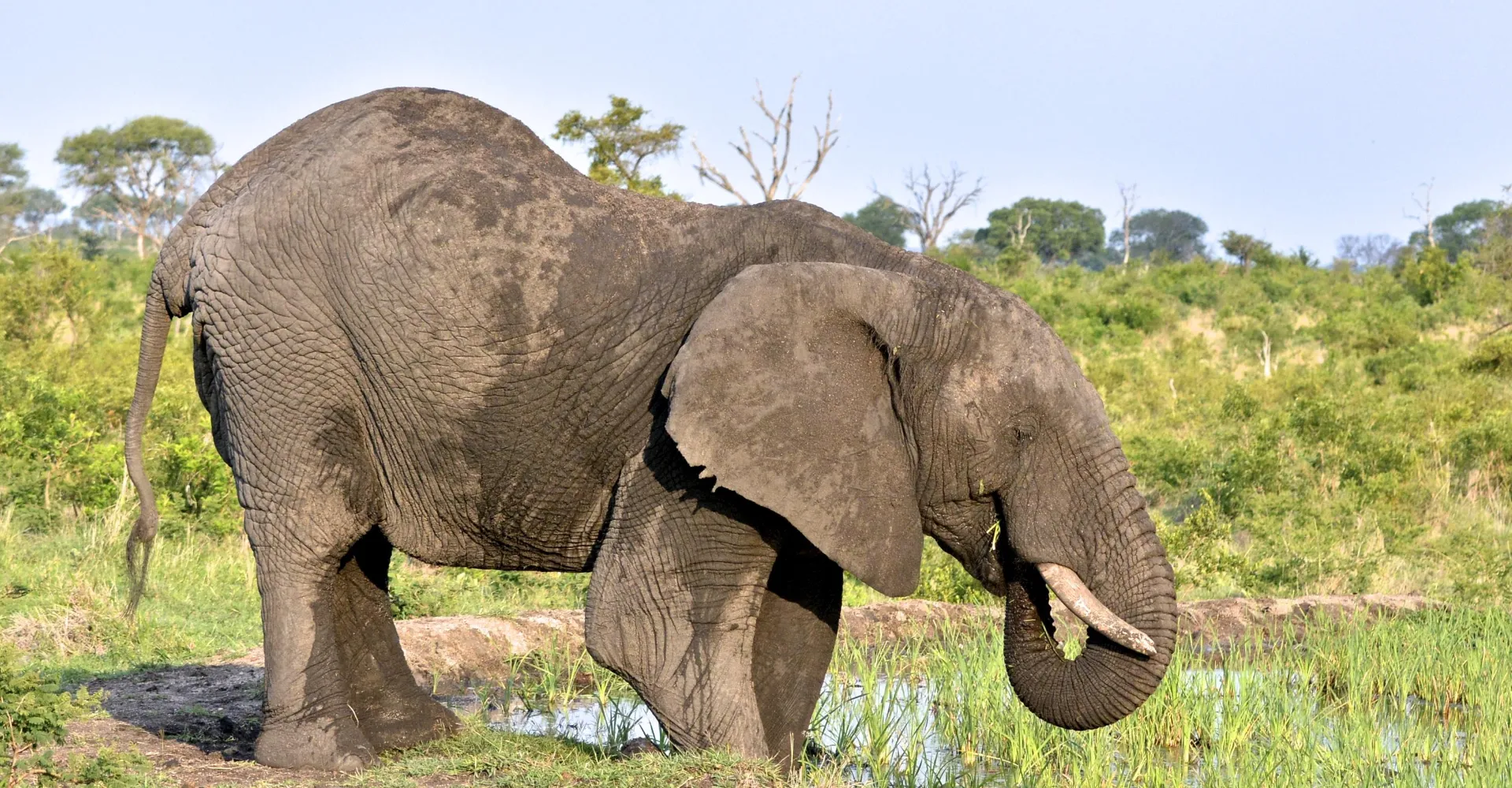
With Rift Valley escarpments, lush forests, open floodplains, and alkaline lakes, Lake Manyara National Park offers diverse wildlife and unforgettable safari experiences.
When To Visit
Discover the right season for tree-climbing lions, elephants, flamingos, birdlife
and unforgettable Rift Valley scenery.
Lake Manyara can be explored throughout the year, with each season bringing a slightly different experience. The dry months generally offer easier game viewing and road conditions, while wetter periods bring greener forests, seasonal bird activity and refreshed landscapes. The park's groundwater forest and permanent water sources also help maintain its distinctive scenery throughout the year.
- January
- February
- March
- April
- May
- June
- July
- August
- September
- October
- November
- December
- Best
- Good
- Mixed
Best time to go on safari in Lake Manyara
Visit During the Drier Months
June to October is generally one of the most popular periods to explore Lake Manyara, with drier conditions making game drives comfortable and roads easier to navigate. Vegetation can be less dense in open areas, improving visibility of elephants, buffalo, giraffe and other wildlife. Clearer weather can also create excellent views of the Rift Valley escarpment and lake landscape. These months work particularly well for travellers combining Manyara with Tarangire, Ngorongoro or Serengeti as part of a northern Tanzania circuit.
January and February offer another relatively dry period and can provide good wildlife-viewing conditions. The wetter months bring greener vegetation and a fresher appearance to the forest, floodplains and surrounding landscapes. Rain also supports seasonal bird activity around the lake and wetlands, making these months interesting for birdwatchers and photographers. While heavier rain can affect some routes, the changing conditions can reveal a different and quieter side of the park.
If your priority is easier travel and generally dry conditions, June to October is a popular choice. If you enjoy lush scenery, birdlife and changing landscapes, the wetter periods can be equally rewarding. Lake Manyara's variety means there is no single season that defines the entire experience, and the right time depends on what you want to see and how the park fits into your wider safari.
Different Seasons, Different Experiences
Lake Manyara changes noticeably as the seasons shift, so the best time to visit can depend on what you want from your safari. During the drier months, open areas can offer clearer wildlife sightings and easier game drives, while the forest and lakeshore remain important habitats throughout the year. The wetter months bring greener vegetation, fresh landscapes and increased activity around the wetlands, giving the park a different atmosphere.
Birdwatchers and photographers may find the wetter periods particularly appealing because the lake, woodland and wetlands can become more vibrant with bird activity. The green surroundings also create striking scenery around the Rift Valley escarpment, forest and floodplains. Travellers focused mainly on comfortable road conditions and easier wildlife viewing may prefer the drier months, while those who enjoy lush scenery and seasonal changes can consider visiting outside the peak dry period.
The time of year can also influence how Lake Manyara fits into your wider northern Tanzania safari. A visit during the drier season can complement destinations such as Tarangire, Ngorongoro and Serengeti, while a greener-season visit can add a fresh contrast to the surrounding parks. Whatever month you choose, planning around your priorities helps you get more from your Lake Manyara Safari.
Plan Your Tanzania Journey With
Local Safari Experts
Share your ideas and let our team shape the trip around you.
- Honest advice from local experts
- Routes designed around your personal travel interests
- Save hours with practical safari planning support







Your Tanzania Safari Travel Guide
Practical advice on Tanzania safari destinations, seasons,
activities, and planning your journey.


Hear From Our Travellers
Hear from travellers who discovered Tanzania with Lifetime Safaris
and shared their experiences
Good guide is very important
High recommend Danford and Lifetime Safaris! Danford is a skilled attentive driver with deep Safari knowledge and great instincts.

Paulo P
Love Lifetime Safaris
Great safari with our guide Humphrey! Safari roads are crazy and we felt safe, comfortable and well supported the whole time.
Kerri P
An unforgettable safari experience
An unforgettable experience indeed! We travelled with our friends and it’s a total six of us. Our guide Danford was excellent.
Stephen M
Trip of a lifetime with guide James
We have just recently returned from Tanzania, an absolute trip of a lifetime made even more special because of our guide James.
Cindy
Wonderful adventure in Tanzania
Wonderful adventure in Tanzania visiting local villages and markets, Materuni waterfalls, Tarangire, Serengeti, and Ngorongoro parks.
Oscar
Unforgettable Safari Experience
We had an incredible experience on our safari, and a huge part of that was thanks to our amazing guide James "Bond".
stephen k
Ready to plan?
Tell us your interests, dates, and ideas, and we’ll help
shape your Tanzania safari journey
Journeys
Explore Tanzania with journeys shaped around your interests, pace, and travel style.
Contact Us
Have questions about your Tanzania safari? Speak with our local team and start planning your journey.