

Where Every View Tells a Story
A remarkable landscape of crater floors, volcanic highlands, wildlife, ancient history, and
Maasai culture
Why visit Ngorongoro Conservation Area?
Discover Wildlife in a Unique Volcanic Landscape
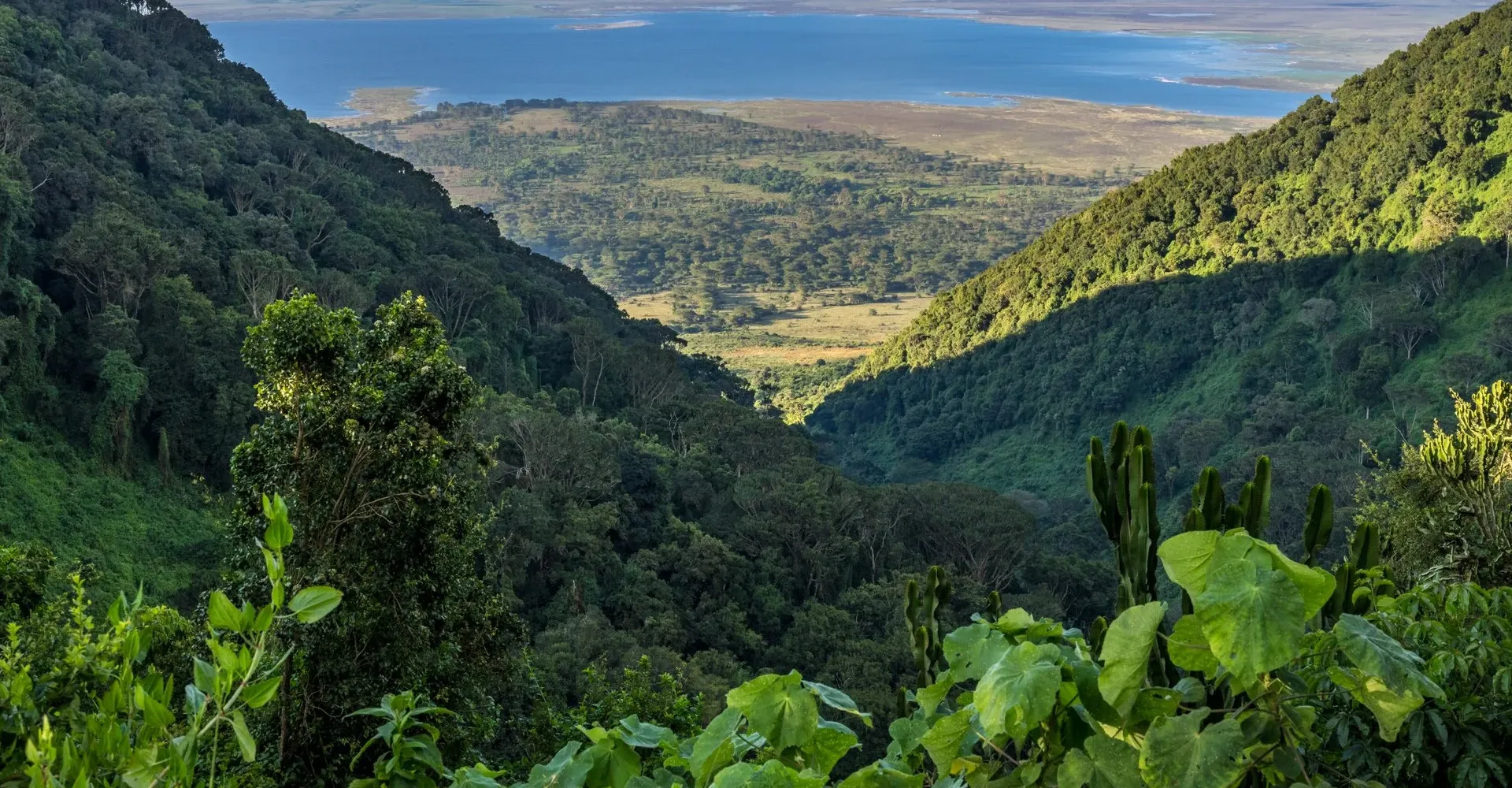
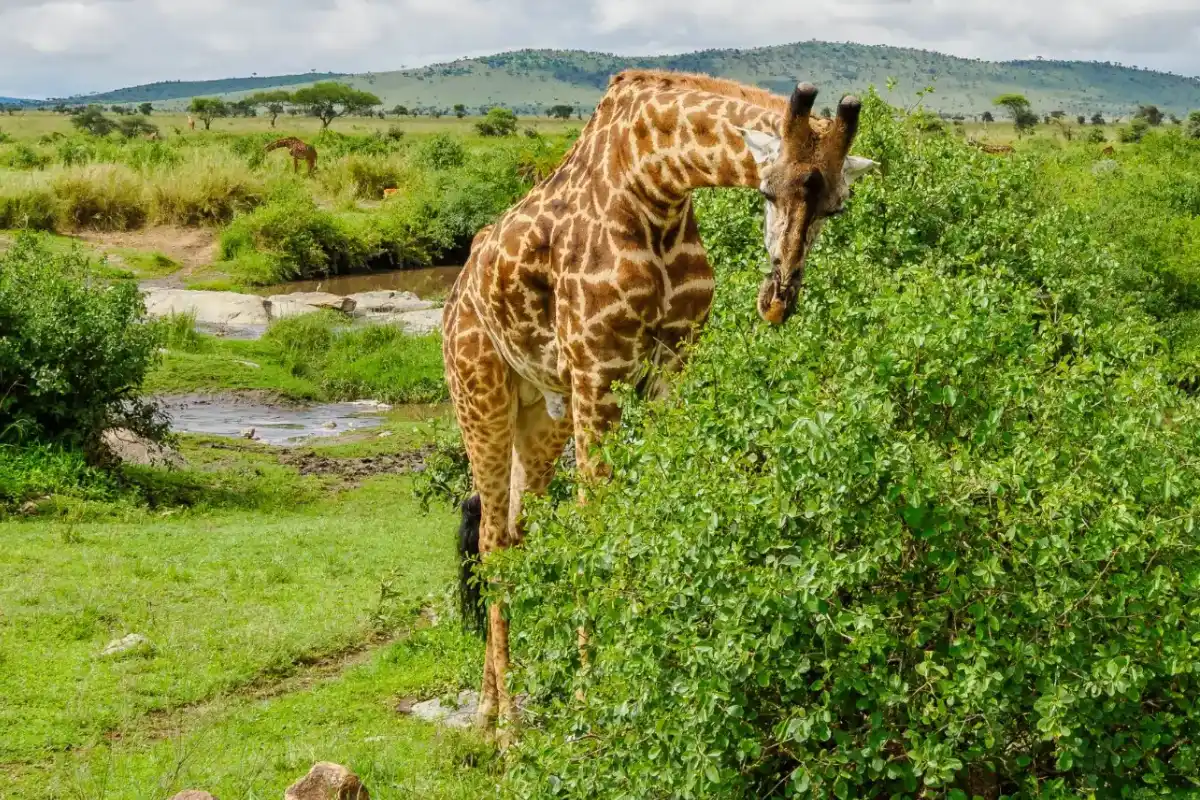
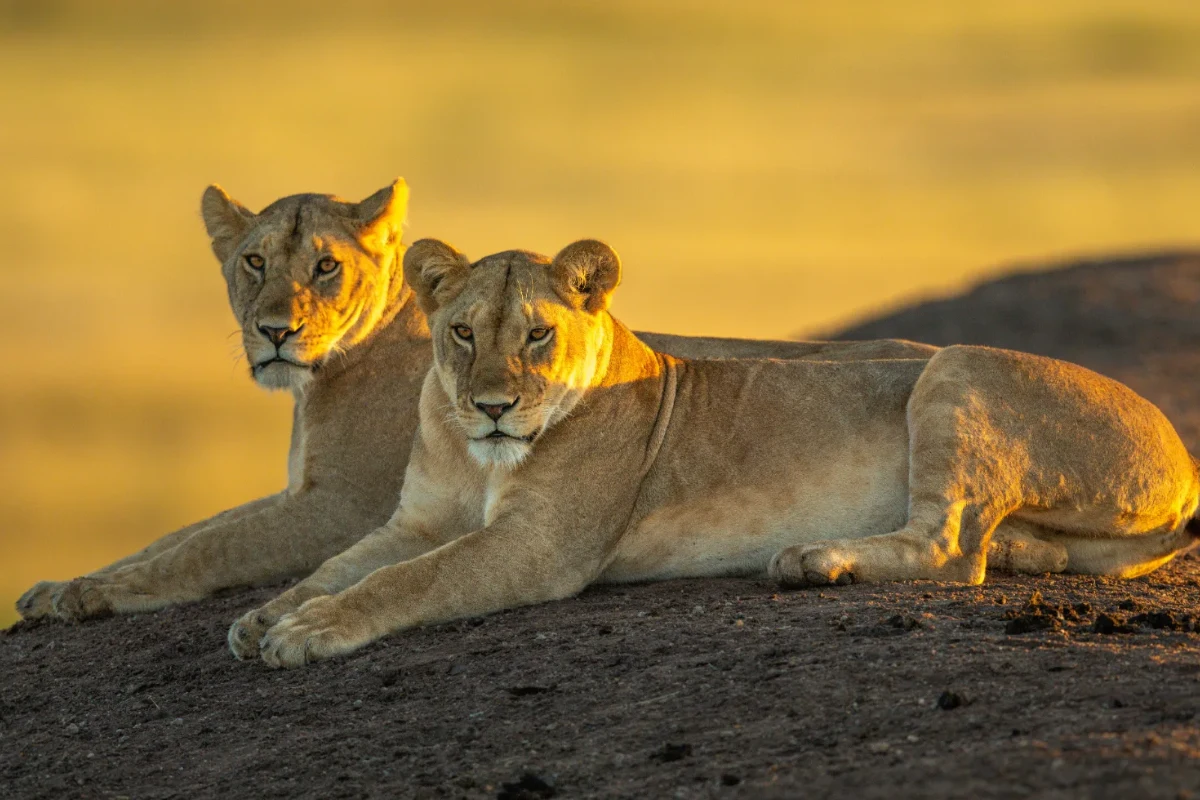
Ngorongoro Conservation Area pulls off one of Tanzania's most striking combinations of wildlife and landscape. At its centre sits the Ngorongoro Crater, an enormous volcanic caldera ringed by highlands and open grassland. The crater floor holds large numbers of animals year-round, while the wider conservation area spreads out across forest, savannah, mountain slope and open plain. Elephant, buffalo, lion, leopard, black rhino, zebra and wildebeest are all found here. The volcanic setting adds a whole extra layer on top, with the crater walls forming a genuinely dramatic backdrop to the wildlife viewing itself.
The crater has real appeal for travellers after concentrated wildlife viewing within a landscape unlike anywhere else. Game drives across the crater floor bring you close to large herds and their predators alike, while the surrounding highlands add forest, volcanic terrain and open plain into the mix. Birdwatchers have plenty across the different habitats too. That combination of wildlife and dramatic scenery makes a Ngorongoro safari feel genuinely different from a standard plains-based trip.
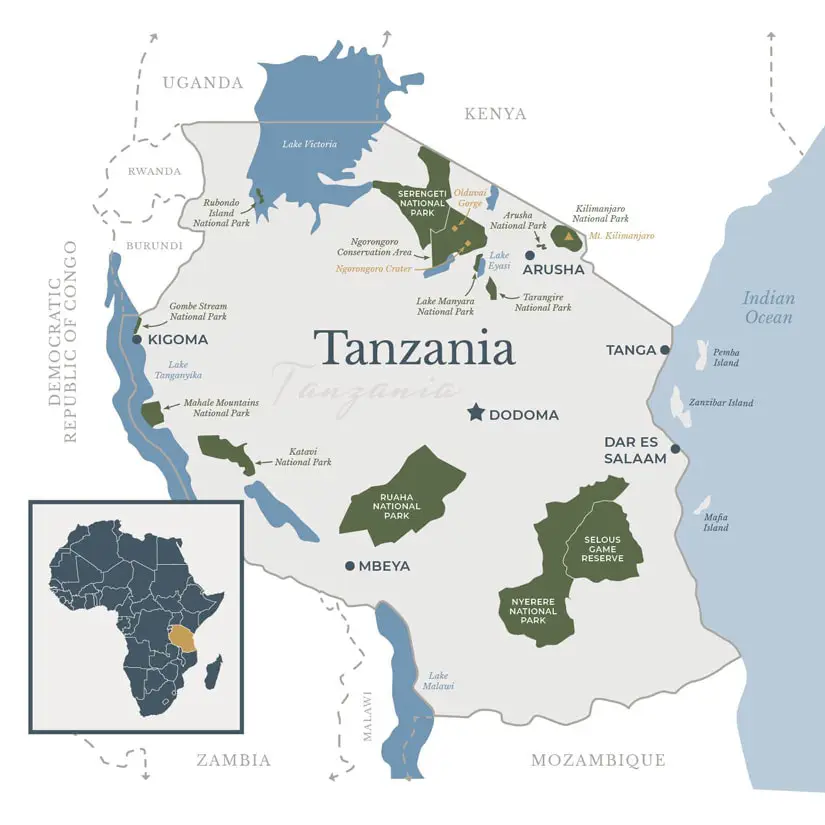
Ngorongoro also slots naturally into a wider northern Tanzania safari. Sitting right between the region's major destinations, it pairs easily with Serengeti, Lake Manyara and Tarangire. Whether it's a single day exploring the crater or several days across the wider conservation area, Ngorongoro brings exceptional wildlife viewing and volcanic scenery into the trip either way.
Explore Culture, History and the Wider Conservation Area
Ngorongoro Conservation Area covers roughly 8,292 square kilometres, and there's a lot more to it than the crater alone. The landscape runs from highland plains and savannah woodland through forest, grassland and volcanic formation. Established in 1959 as a multiple land-use conservation area, it's a place where wildlife and semi-nomadic Maasai pastoralists genuinely share the same wider landscape — a character that sets Ngorongoro apart from Tanzania's national parks.
The experience stretches well past wildlife into the area's history and culture too. Olduvai Gorge holds some of the most important evidence of human evolution anywhere on earth, while the wider conservation area is still home to traditional pastoral communities. Travellers drawn to local culture can learn about Maasai traditions and everyday life, while those drawn to history can explore sites tied directly to human evolution. Together, these add real depth to a safari, showing how people, wildlife and landscape have shared this particular stretch of Tanzania across generations.
Ngorongoro works especially well folded into a longer northern Tanzania itinerary. Pair it with Serengeti for the migration and plains wildlife, Tarangire for elephants and baobabs, or Lake Manyara for its own mix of habitats. Together, these destinations build a safari spanning genuinely contrasting landscapes, wildlife, culture and history — a much broader view of northern Tanzania than any single park offers alone.
Explore Tanzania Your Way
Explore Tanzania through wildlife, landscapes, culture,
mountains, beaches, and safari journeys
At Lifetime Safaris, we don't just organise your safari; we create the experience around you
As destination specialists, we combine local knowledge, thoughtful planning and a passion for Tanzania to create journeys shaped around your interests, pace and travel style.
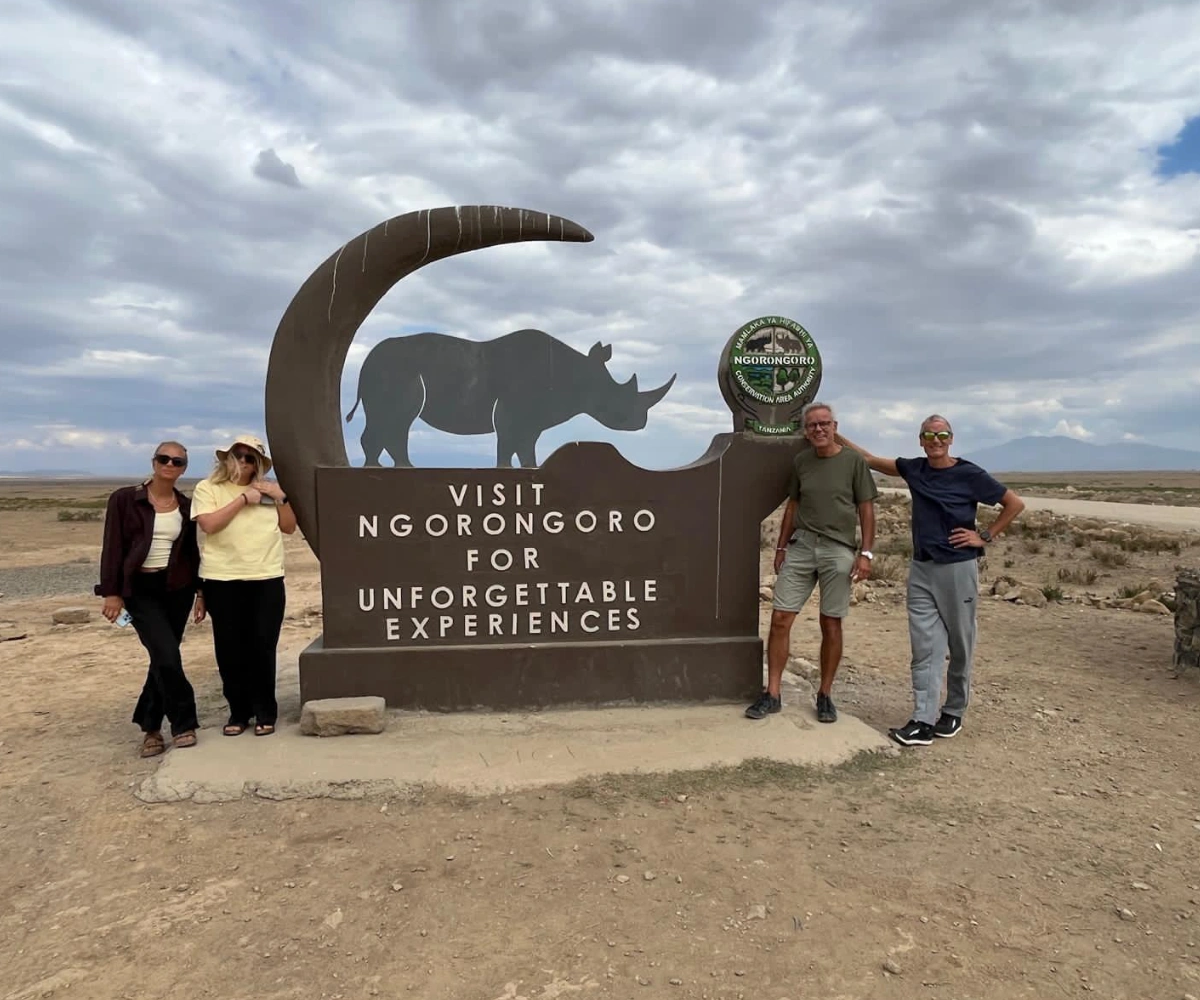
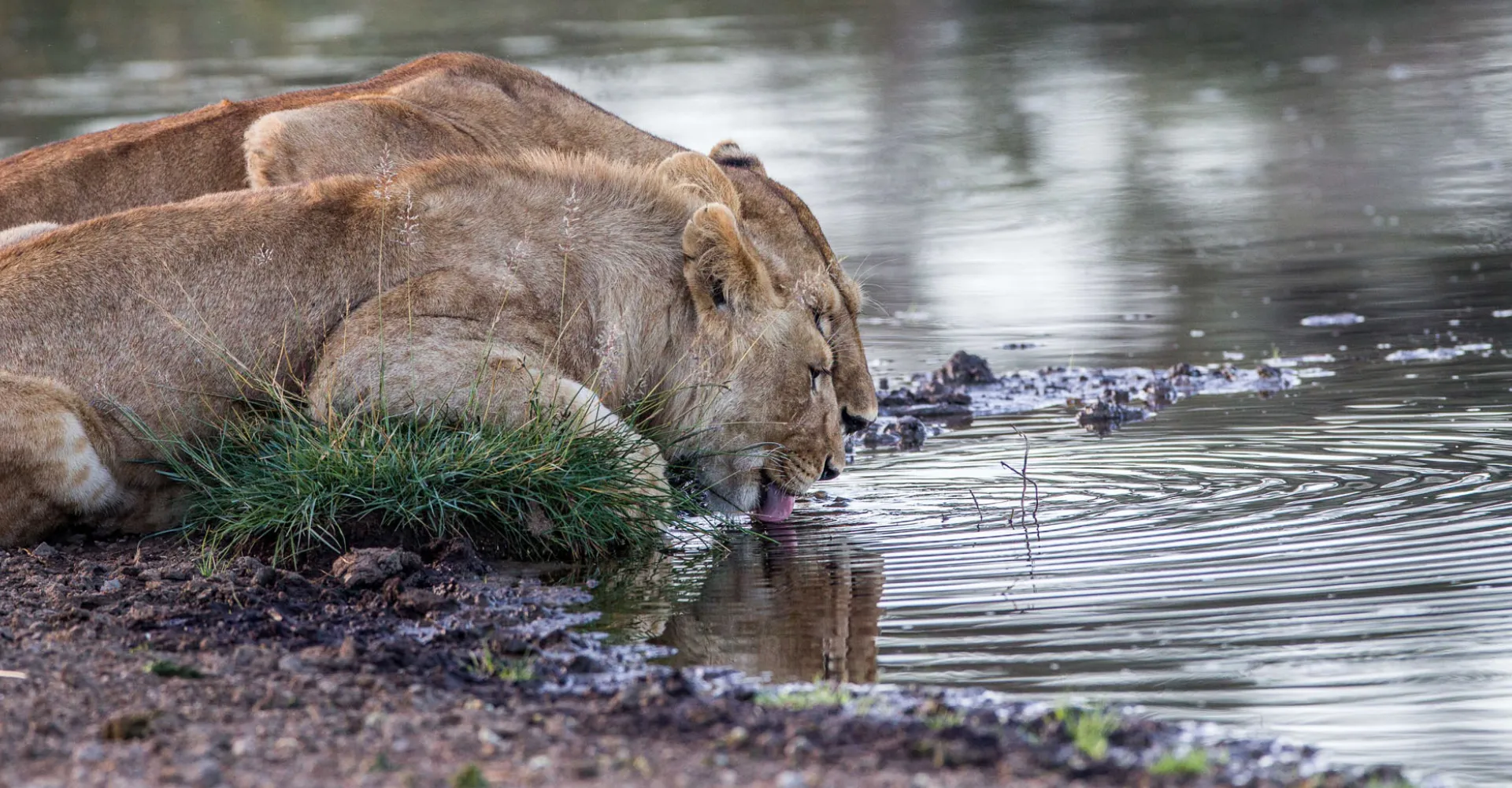
With volcanic craters, sweeping highlands, abundant wildlife, and rich cultural heritage, Ngorongoro Conservation Area offers unforgettable safari and wilderness experiences.
When To Visit
Discover the right season for wildlife, crater landscapes, photography, and unforgettable northern
Tanzania experiences.
Ngorongoro can genuinely be visited year-round, with each season giving the conservation area a distinctly different feel. The dry stretches tend to make wildlife viewing particularly strong, while the rainy seasons reshape the surrounding landscape with fresh growth and richer colour. The high elevation also means the crater rim can run cool regardless of which month you visit.
- January
- February
- March
- April
- May
- June
- July
- August
- September
- October
- November
- December
- Best
- Good
- Mixed
Best time to go on safari in Ngorongoro
June to October
Ngorongoro can be visited throughout the year, with both dry and rainy seasons offering rewarding wildlife experiences. June to October also remains a popular travel period for many travellers, partly because summer holidays bring many visitors from Europe, the USA and Asia. Drier conditions can also make wildlife viewing comfortable, while the crater's permanent water sources continue attracting wildlife year-round. The cool mornings around the crater rim add a distinctly highland feel, and these months pair well with a wider northern Tanzania safari route.
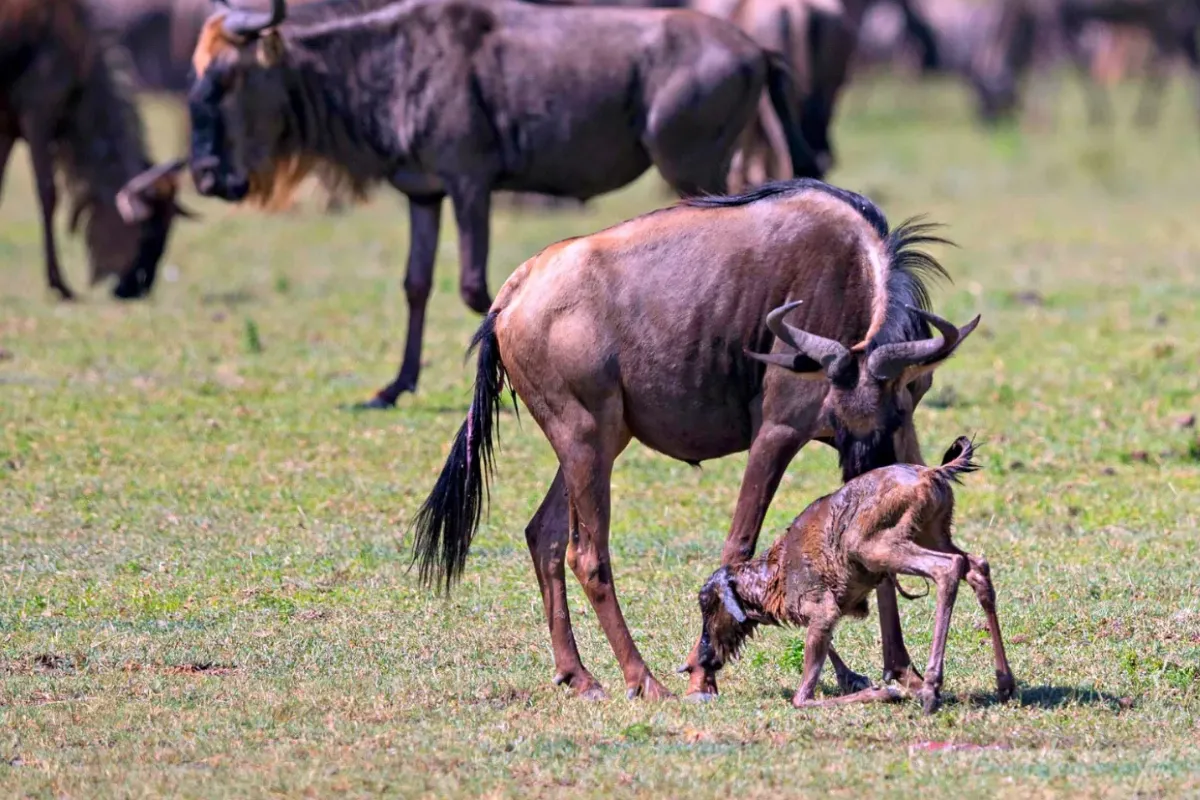
January and February can be especially interesting for travellers drawn to greener scenery and seasonal wildlife activity. In the Ndutu area, the calving season generally runs from around mid-December to mid-March, when wildebeest and zebra gather as new life begins. March to May brings the longer rains, while November and December usually bring shorter rains, fresh vegetation and strong conditions for photography and birdwatching. Each period offers a different side of the wider conservation area year-round.
Dry conditions, rainy landscapes or the Ndutu calving season can all shape a rewarding Ngorongoro trip. June to October is popular, but not the only time to visit. Since wildlife remains within the crater through most of the year, the ideal timing depends on your travel dates, weather preference and the seasonal experience you want to include year-round.
See How the Seasons Shape Ngorongoro
Ngorongoro shifts with the seasons, giving the crater and its surrounding highlands a different look throughout the year. In drier months, shorter vegetation can make wildlife easier to spot across the crater floor, while permanent water sources keep attracting animals. In wetter months, grassland and slopes turn green, creating contrast against the crater walls and adding fresh activity across the wider conservation area.
The green season holds particular appeal for photographers and travellers interested in seasonal wildlife activity. Fresh growth, rain and livelier activity around wetlands create strong photography and birdwatching conditions. Around Ndutu, the period from mid-December to mid-March can bring the annual wildebeest and zebra calving season, with large herbivore concentrations and opportunities to observe young animals. The cooler highland climate also means temperatures can shift between the crater floor and rim throughout the day.
How Ngorongoro fits into a wider northern Tanzania safari can shape your preferred season too. June to October works particularly well for travellers visiting during summer holidays, while December to March can suit those interested in the Ndutu calving season. The wetter periods bring greener landscapes and a different mood to the same route. Building the trip around your priorities, rather than a generic calendar, lets you experience the conservation area properly overall.
Plan Your Tanzania Journey With
Local Safari Experts
Share your ideas and let our team shape the trip around you.
- Honest advice from local experts
- Routes designed around your personal travel interests
- Save hours with practical safari planning support







Your Tanzania Safari Travel Guide
Practical advice on Tanzania safari destinations, seasons,
activities, and planning your journey.


Hear From Our Travellers
Hear from travellers who discovered Tanzania with Lifetime Safaris
and shared their experiences
Good guide is very important
High recommend Danford and Lifetime Safaris! Danford is a skilled attentive driver with deep Safari knowledge and great instincts.

Paulo P
Love Lifetime Safaris
Great safari with our guide Humphrey! Safari roads are crazy and we felt safe, comfortable and well supported the whole time.
Kerri P
An unforgettable safari experience
An unforgettable experience indeed! We travelled with our friends and it’s a total six of us. Our guide Danford was excellent.
Stephen M
Trip of a lifetime with guide James
We have just recently returned from Tanzania, an absolute trip of a lifetime made even more special because of our guide James.
Cindy
Wonderful adventure in Tanzania
Wonderful adventure in Tanzania visiting local villages and markets, Materuni waterfalls, Tarangire, Serengeti, and Ngorongoro parks.
Oscar
Unforgettable Safari Experience
We had an incredible experience on our safari, and a huge part of that was thanks to our amazing guide James "Bond".
stephen k
Ready to plan?
Tell us your interests, dates, and ideas, and we’ll help
shape your Tanzania safari journey
Journeys
Explore Tanzania with journeys shaped around your interests, pace, and travel style.
Contact Us
Have questions about your Tanzania safari? Speak with our local team and start planning your journey.