

Adventure With Confidence
Understand Rwanda safety, health precautions, road conditions and
guidelines before your safari
Why Understand Rwanda Safety?
Made for Every Kind of Rwanda Adventure
Understanding Rwanda safety before your trip helps you prepare for common situations without adding unnecessary worry. Lifetime Safaris describes Rwanda as a safe and welcoming destination, while also advising visitors to take basic precautions. Petty crime can occur, particularly in urban areas, so keeping valuables secure and staying aware of your surroundings remains important. Simple habits such as avoiding unnecessary displays of valuables, securing your belongings and paying attention in busy places can reduce avoidable problems. Knowing these practical points before arrival also helps you feel more prepared when moving between Kigali, national parks and other destinations during your trip. Good preparation lets you focus on the experiences ahead while keeping sensible precautions part of your daily travel routine.
Rwanda has made progress in maintaining safety and security, and the source notes that violent crime is rare. However, safety also depends on how you travel. Road conditions, wildlife encounters, health concerns and local cultural sensitivities all require attention. Visitors should follow local rules, listen to guides and take appropriate health precautions. Medical facilities can be limited, so travel insurance and essential medicines are useful preparations. Understanding these areas gives you a broader view of Rwanda travel safety beyond crime alone. It also helps you prepare for different parts of your itinerary, from city visits and road journeys to guided activities in national parks. Keep current information in mind as your departure date approaches too.
Good preparation means knowing the risks without letting them dominate your trip. Follow local guidance, protect your belongings, respect wildlife and prepare for health needs. These simple habits can make your journey more comfortable.
Rwanda, Your Way: Travel With Confidence
Your Rwanda journey may include Kigali, gorilla trekking, national parks or longer road transfers. Each experience comes with practical safety considerations. City travel calls for normal awareness around belongings, while wildlife activities require you to follow the instructions of rangers and guides. Road journeys need patience and attention to local traffic conditions. Planning around your itinerary helps you understand which precautions matter most. It also means you can prepare the right items, keep important documents accessible and leave enough time for transfers between destinations. When you know what each part of the trip involves, safety becomes a practical part of planning rather than something that takes away from the experience. This approach can help you enjoy your journey with greater confidence and less unnecessary concern.
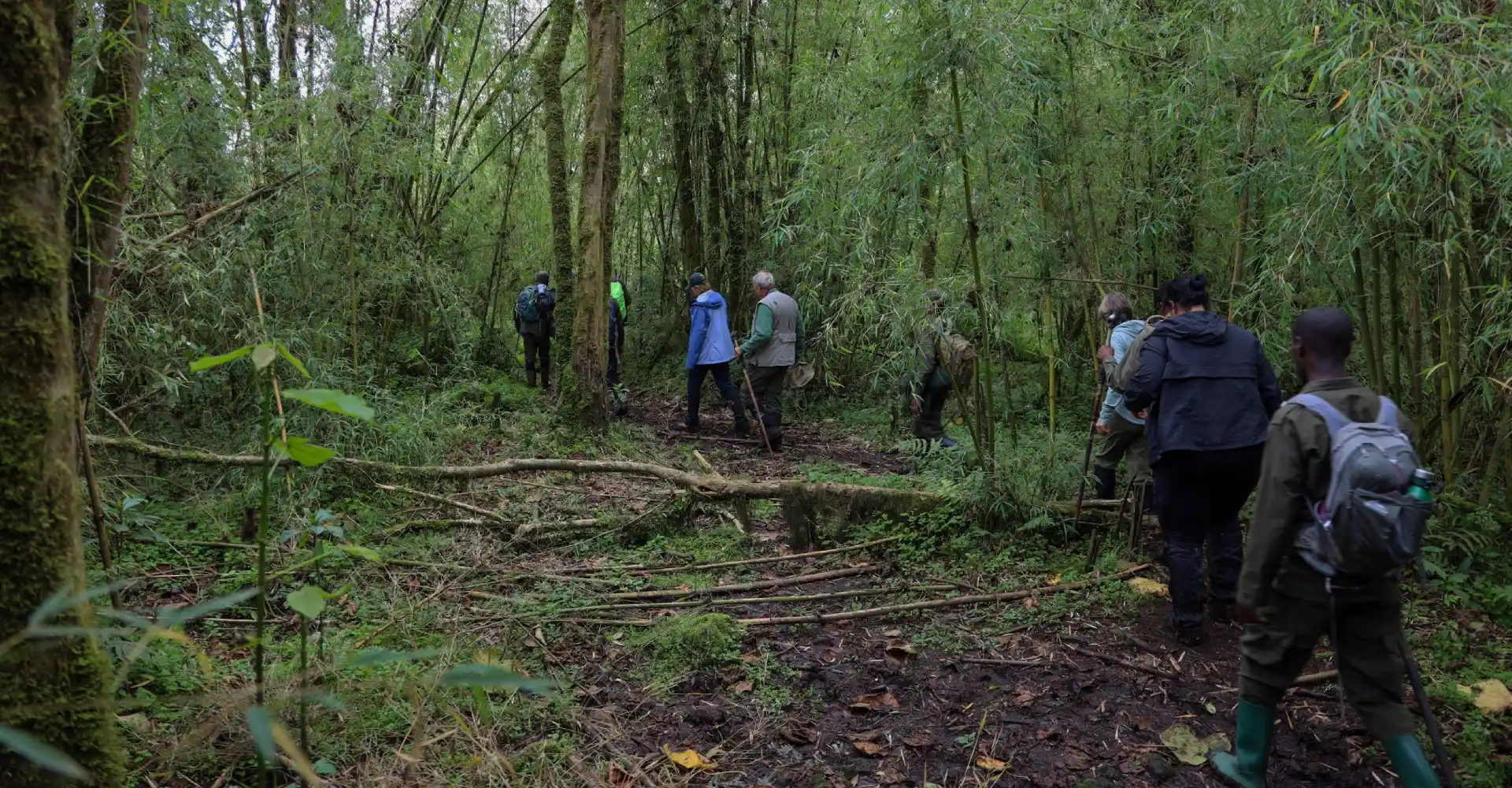
Wildlife encounters require particular care. Lifetime Safaris advises visitors to maintain a safe distance from animals and follow the instructions of park rangers and tour operators. This is especially important during gorilla trekking, where following established guidelines protects both visitors and wildlife. Health preparation also matters, including vaccinations and malaria precautions where appropriate. Carry suitable medication and consider travel insurance that covers emergency treatment. Medical facilities may be limited, so preparation before departure can be valuable. These steps are simple but important when your itinerary takes you away from major towns or into remote areas. Follow your guide's instructions throughout every activity and ask questions if you are unsure about any safety procedure during the trip.
Travel with awareness, listen to your guides and prepare for the activities on your itinerary. That approach keeps safety practical and manageable throughout your Rwanda safari.
When To Visit Rwanda Safely
Prepare your safari around your travel dates, preferred activities
& the experiences you want to
include
Lifetime Safaris identifies June to September as the best time to visit Rwanda. However, safety preparation matters throughout the year. Rain can affect roads and outdoor activities, while dry-season travel can bring busier conditions. Check current weather information before travelling and plan your activities around local conditions.
- January
- February
- March
- April
- May
- June
- July
- August
- September
- October
- November
- December
- Best
- Good
- Mixed
How to Stay Safe on Your Rwanda Safari
Start with the basics before leaving home. Check your travel documents, arrange suitable insurance and review current health recommendations. Pack essential medicines, a small first aid kit and anything required for your personal needs. If your itinerary includes national parks, understand the safety rules for each activity. Gorilla trekking and other wildlife experiences require you to follow guides and park rangers closely. Preparing these details early means you can focus more on your trip once you arrive. Keep emergency contacts and important documents accessible throughout the journey, especially when travelling between destinations. This makes it easier to respond if plans change or you need assistance during your trip. Before departure, review the latest official guidance for your route and activities.
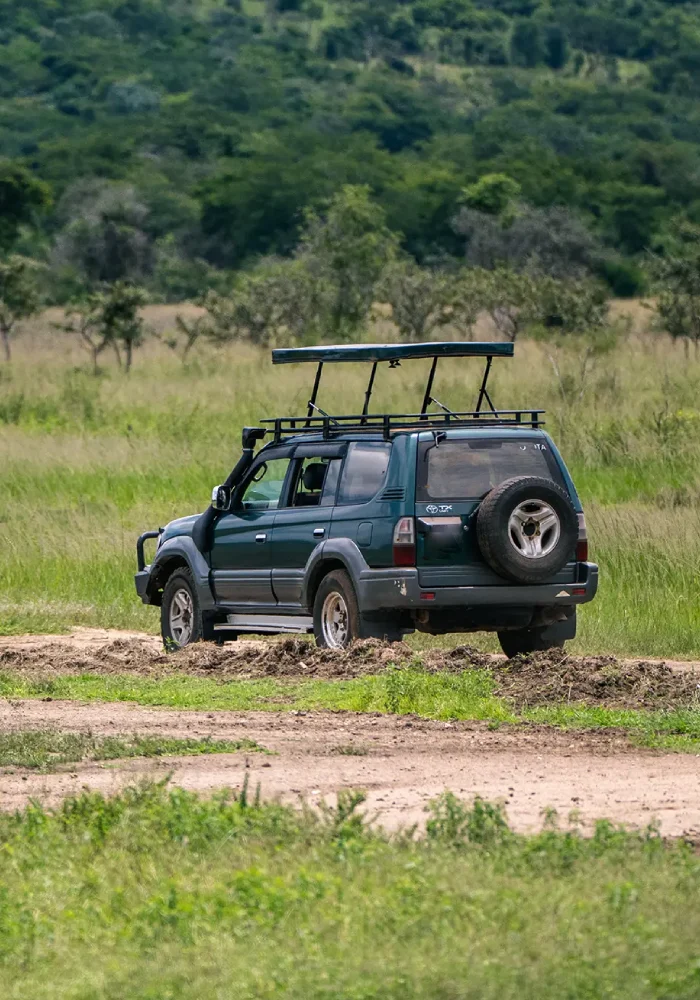
Road safety also deserves attention. Some roads may be poorly maintained, and traffic conditions can be challenging. Use experienced drivers where appropriate, wear your seatbelt and avoid distractions. Allow enough time for transfers so you do not need to rush. If you are walking, take care when crossing roads and remain aware of surrounding traffic. Your guide or driver can provide useful advice about local conditions and travel times. Following their instructions can make longer journeys easier and more comfortable, particularly when travelling between national parks or remote areas. Keep your schedule flexible when weather or road conditions may affect travel. This gives you more room to adjust plans without creating unnecessary pressure during your safari.
Wildlife safety starts with following instruction. Stay with your group, keep a safe distance from animals and never attempt to approach or attract wildlife.
Rwanda, Your Way: Travel With Confidence
Your Rwanda safari should feel exciting, not stressful. Good preparation gives you practical ways to handle common travel concerns. Keep valuables secure, follow road and wildlife guidance, prepare for health needs and respect local customs. These habits work across different parts of your itinerary. They are especially useful when your trip combines Kigali with national parks, trekking or longer road journeys. Having the right information before departure also helps you make better decisions when conditions change. Stay flexible, listen to local experts and avoid taking unnecessary risks simply to follow a fixed plan. This approach keeps safety connected to your experience without allowing it to overshadow the reasons you chose Rwanda in the first place. Enjoy your journey while remaining attentive to your surroundings.
Follow the guidance of your safari team during activities and transfers. Experienced guides can explain local conditions, wildlife behaviour and practical safety procedures. If you are uncertain about something, ask rather than guessing. Their local knowledge can be useful when weather, roads or activity conditions change unexpectedly. Keep communication open throughout your itinerary and follow instructions promptly when your guide recommends a change. This makes safety a shared part of the safari experience and helps your group respond calmly when circumstances require it. Good communication can make the journey smoother.
Travel prepared, stay aware and respect local guidance. These simple habits can help you enjoy Rwanda with greater confidence while keeping practical safety at the centre of your journey.
Travel Guide To Visit Rwanda
Practical Rwanda safari guides covering where to go, when to
visit, and what to expect


Frequently Asked Questions
About Rwanda Safety
Here are answers to common questions about Rwanda safety, including crime, health, driving, night travel, wildlife and political stability.
Lifetime Safaris describes Rwanda as generally safe, with low crime levels and rare violent crime. Visitors should still take basic precautions and remain aware.
The source mentions malaria and other tropical diseases. It recommends appropriate health precautions, vaccinations and antimalarial medication when needed before travelling.
Driving can be challenging because some roads are poorly maintained and traffic can be chaotic. Follow local traffic rules and take extra care.
Lifetime Safaris says visitors should exercise caution when walking at night, particularly in urban areas. Staying aware and following local advice is recommended.
Plan Your Tanzania Journey With
Local Safari Experts
Share your ideas and let our team shape the trip around you.
- Honest advice from local experts
- Routes designed around your personal travel interests
- Save hours with practical safari planning support





Hear From Our Travellers
Hear from travellers who discovered Tanzania with Lifetime Safaris
and shared their experiences
Good guide is very important
High recommend Danford and Lifetime Safaris! Danford is a skilled attentive driver with deep Safari knowledge and great instincts.

Paulo P
Love Lifetime Safaris
Great safari with our guide Humphrey! Safari roads are crazy and we felt safe, comfortable and well supported the whole time.
Kerri P
An unforgettable safari experience
An unforgettable experience indeed! We travelled with our friends and it’s a total six of us. Our guide Danford was excellent.
Stephen M
Trip of a lifetime with guide James
We have just recently returned from Tanzania, an absolute trip of a lifetime made even more special because of our guide James.
Cindy
Wonderful adventure in Tanzania
Wonderful adventure in Tanzania visiting local villages and markets, Materuni waterfalls, Tarangire, Serengeti, and Ngorongoro parks.
Oscar
Unforgettable Safari Experience
We had an incredible experience on our safari, and a huge part of that was thanks to our amazing guide James "Bond".
stephen k
Ready to plan?
Tell us your interests, dates, and ideas, and we’ll help
shape your Tanzania safari journey
Journeys
Explore Tanzania with journeys shaped around your interests, pace, and travel style.
Contact Us
Have questions about your Tanzania safari? Speak with our local team and start planning your journey.