
Get Closer to the Wild
Endless savannah, powerful predators, vast herds, and one of Africa's greatest
wildlife spectacles
Why visit Serengeti?
Experience Vast Plains and Remarkable Wildlife
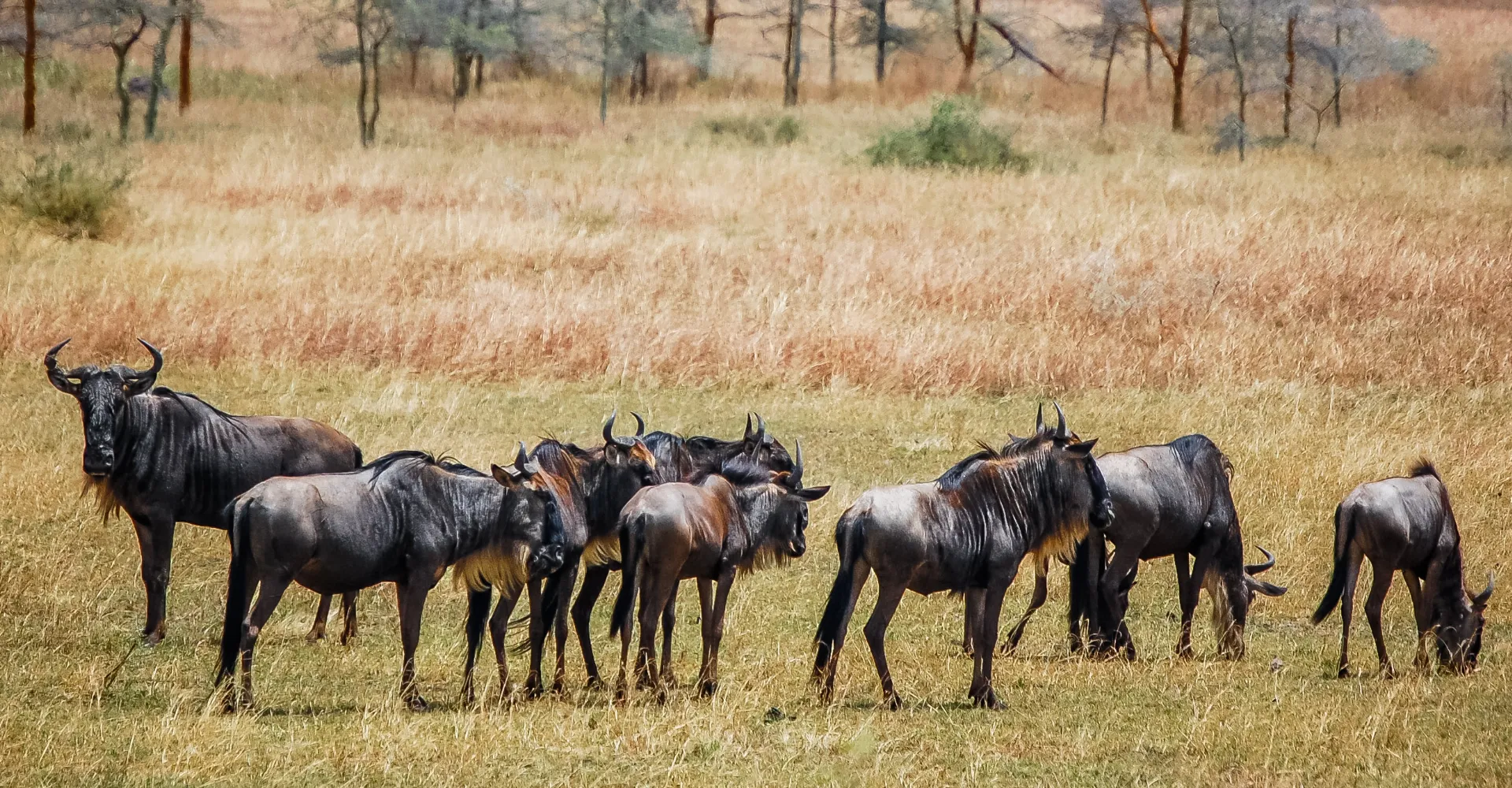
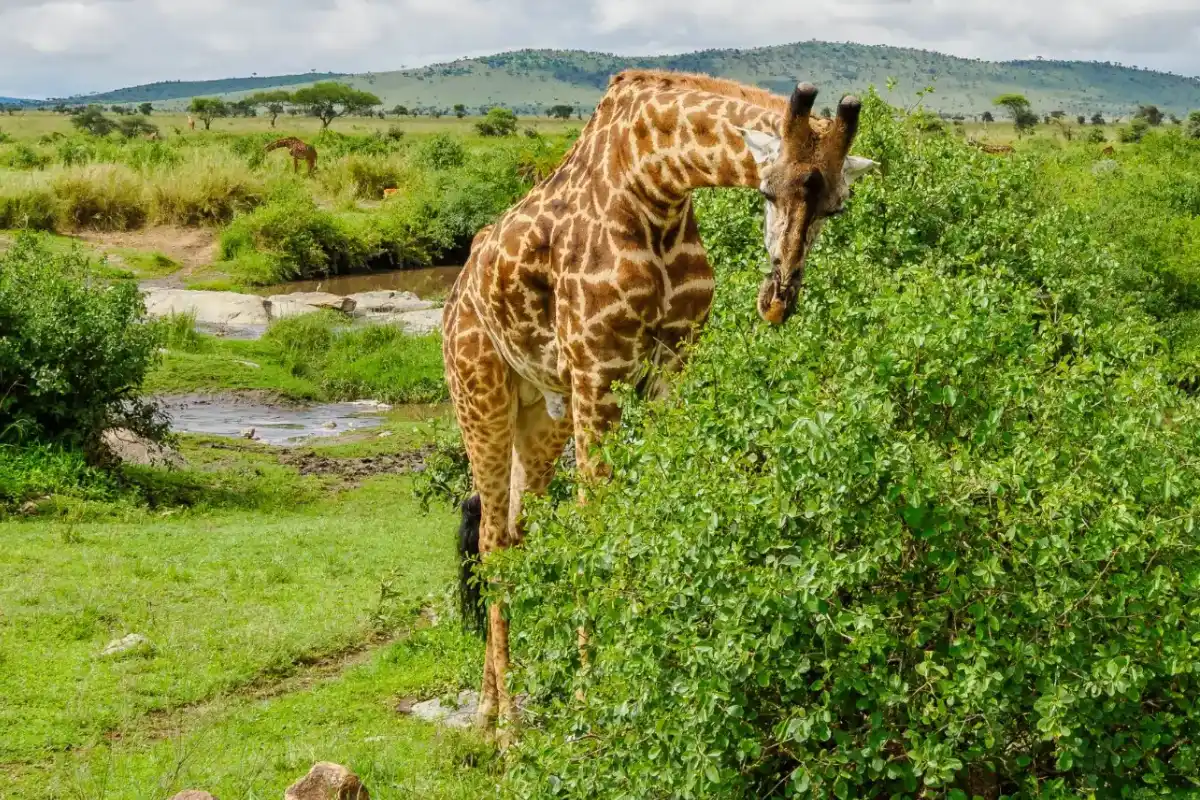
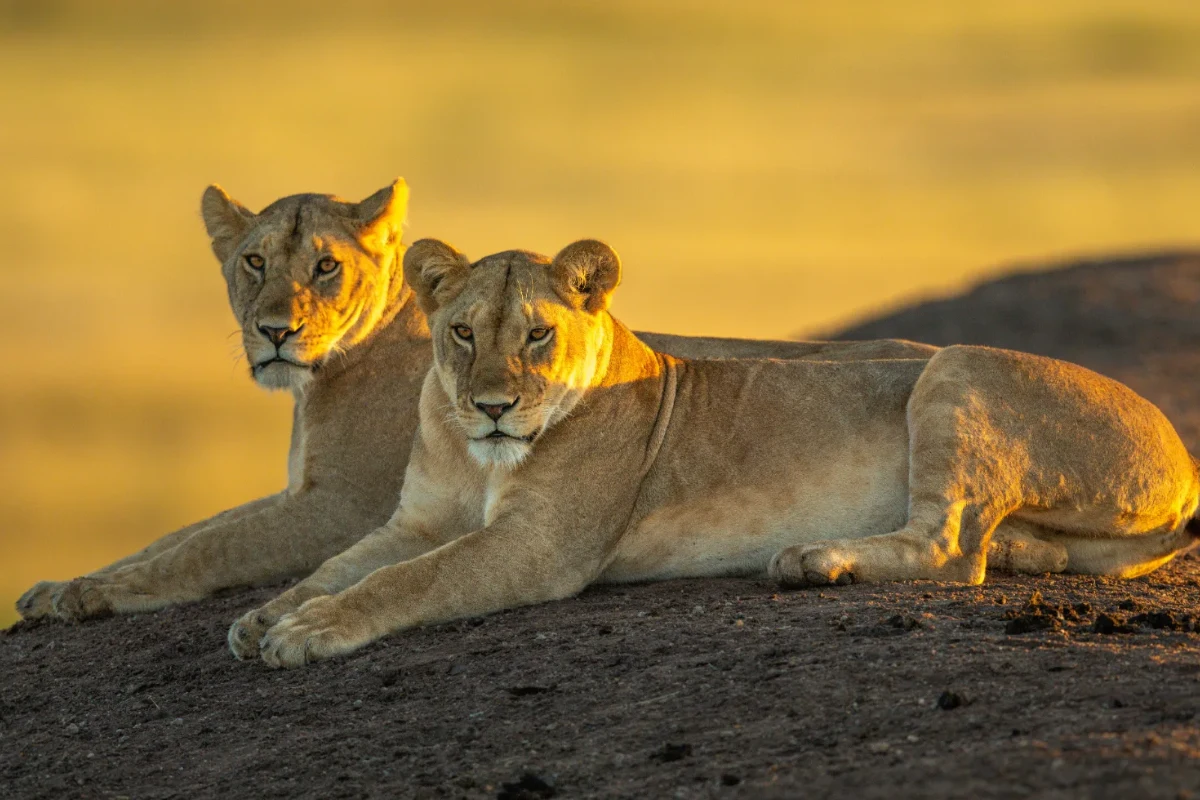
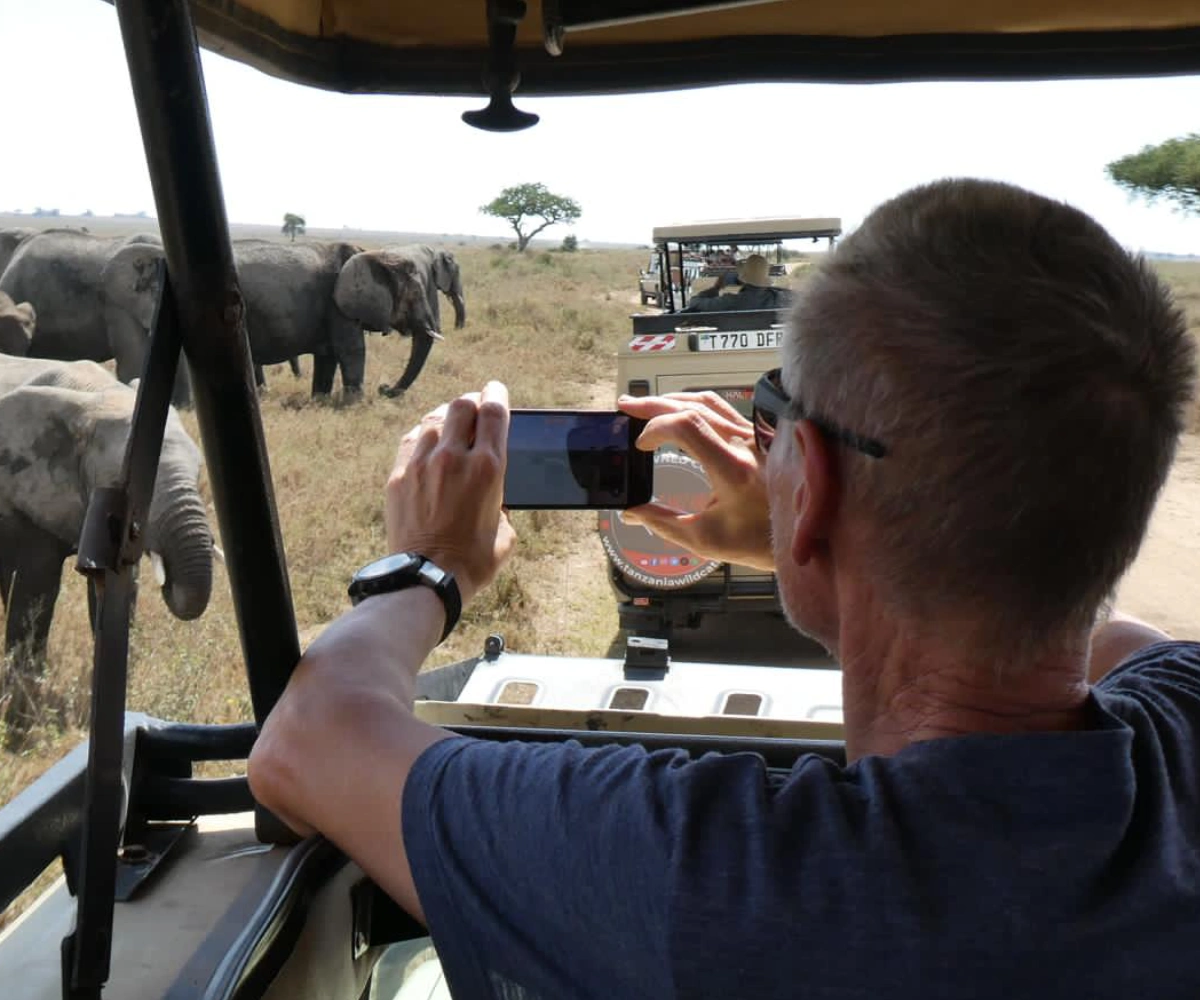
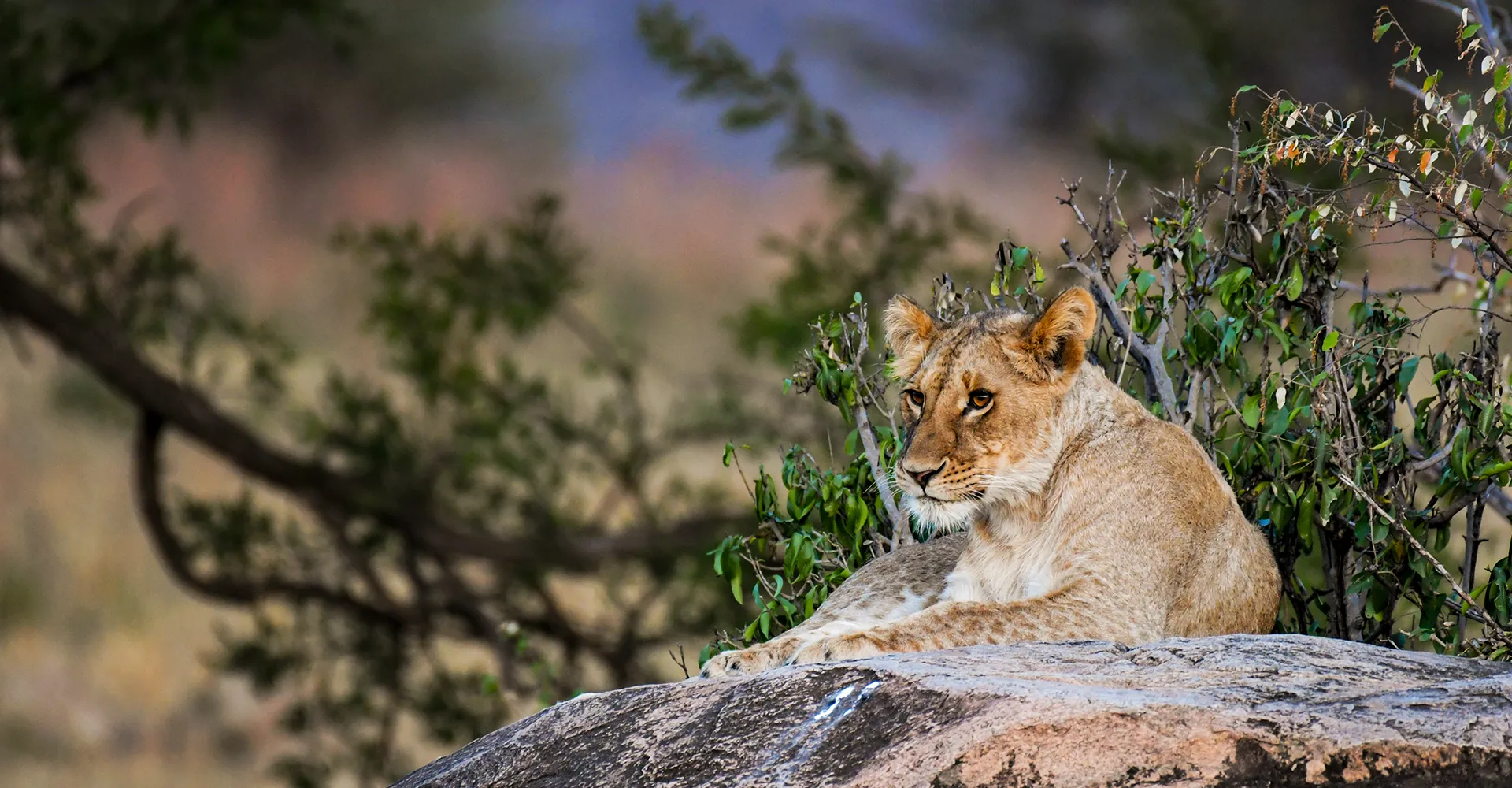
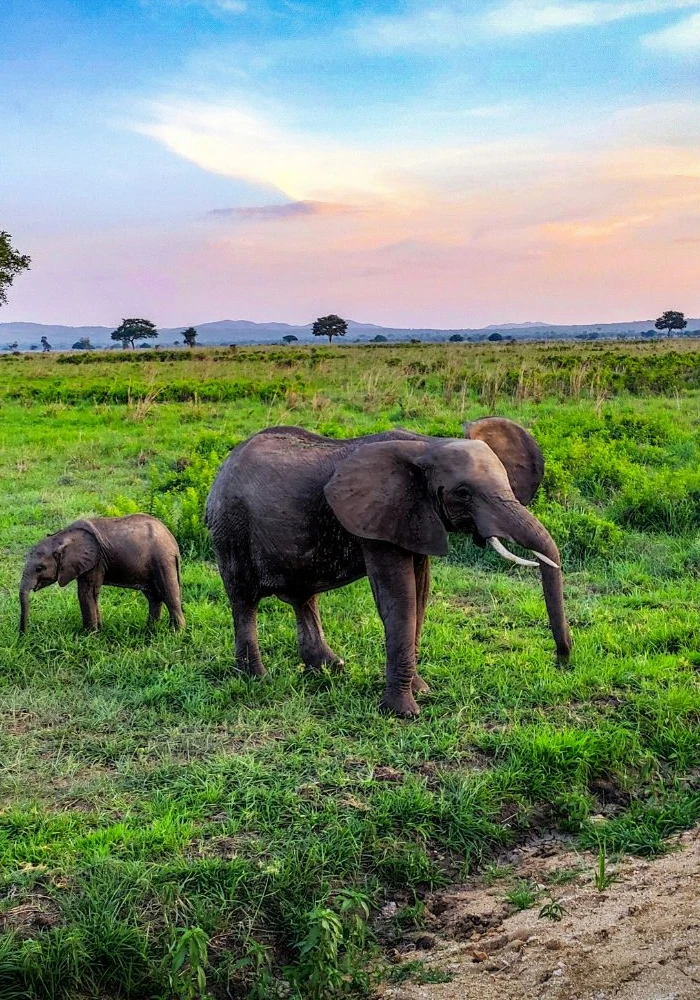
Serengeti National Park is one of Tanzania's most celebrated safari destinations, and it's easy to see why — vast plains, extraordinary wildlife, and the annual movement of millions of grazing animals. The landscape runs across open grassland, acacia woodland, river valley and rocky kopje, giving game drives a constantly shifting backdrop. Wildebeest, zebra and gazelle move through the ecosystem alongside lion, cheetah, leopard, elephant and buffalo. Whether the trip lands during the Great Migration or well outside it, the sheer scale of the landscape creates a sense of wilderness that's genuinely hard to find anywhere else. Open horizon, abundant wildlife and dramatic sky together make Serengeti a defining piece of any northern Tanzania safari.
There's a lot more to the park than the migration alone. Resident wildlife stays present year-round, with predators regularly delivering memorable sightings across both plain and woodland. Seronera is known for strong game viewing through every season, while the Western Corridor, Northern Serengeti and southern plains each bring their own landscape and seasonal rhythm. Hot-air balloon safaris, guided walks in selected areas, photography and birdwatching all add further dimension to a Serengeti trip, giving travellers plenty of ways to actually experience this remarkable ecosystem rather than just drive through it.
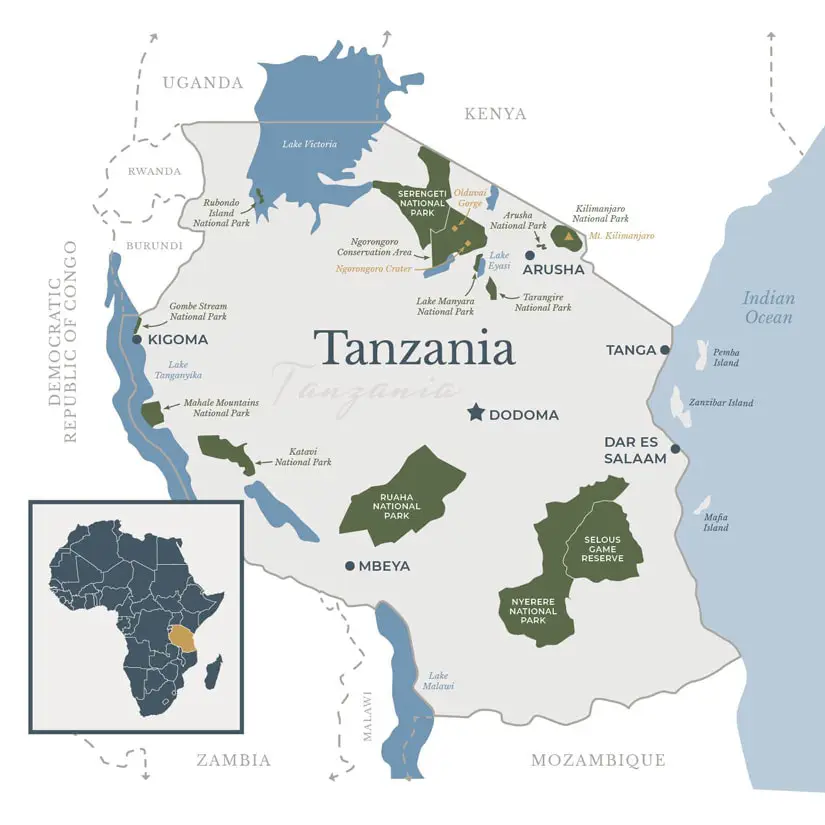
Serengeti also forms the heart of a much larger ecosystem stretching well beyond the park's official boundary. Its position makes it easy to pair with Ngorongoro, Tarangire and Lake Manyara. A longer stay opens up different regions of the park rather than rushing between sightings, giving genuinely more time to take in the wildlife, landscape and shifting seasonal character.
Explore Serengeti at Your Own Pace
Serengeti National Park covers roughly 14,763 square kilometres and sits within an ecosystem extending far past its official border. The landscape runs from short-grass plains in the south to woodland, river system and rocky kopje further north and west. Seasonal rainfall shapes where the grazing animals move, and permanent and seasonal water sources decide where wildlife actually gathers. That sheer scale is what gives the park its real sense of freedom and space — arguably the whole Serengeti experience in one sentence.
A safari here bends around what you actually want to see and how you want to travel. Wildlife enthusiasts can focus in on predators and the big herds, photographers can chase sunrise and sunset across the plains, and birdwatchers can work through the park's varied habitat for resident and migratory species alike. Balloon flights add an aerial view, while carefully timed game drives can follow the seasonal wildlife concentrations directly. Different regions of the park offer genuinely different experiences, which makes location and timing two of the most important parts of planning a trip here.
Serengeti works naturally as the centrepiece of a wider northern Tanzania safari. Pair it with Ngorongoro for crater wildlife, Tarangire for elephants and baobabs, or Lake Manyara for forest and Rift Valley scenery. A well-planned itinerary gives real time in the park's different regions, rather than turning the whole trip into a race between destinations.
Explore Tanzania Your Way
Explore Tanzania through wildlife, landscapes, culture,
mountains, beaches, and safari journeys
At Lifetime Safaris, we don't just organise your safari; we create the experience around you
As destination specialists, we combine local knowledge, thoughtful planning and a passion for Tanzania to create journeys shaped around your interests, pace and travel style.
With endless plains, dramatic kopjes, abundant wildlife, and seasonal migrations, Serengeti National Park offers unforgettable safaris and authentic wilderness experiences.
When To Visit
Discover the right season for the Great Migration, predators, calving, wildlife and unforgettable
Serengeti landscapes.
Serengeti can genuinely be visited year-round, though wildlife movement shifts constantly with rainfall and fresh grazing. The dry months tend to make wildlife easier to spot across most areas, while the green seasons bring fresh vegetation and some of the migration's most important stages. Because the herds never really stop moving, the best area to visit depends heavily on the month and the specific experience you're after.
- January
- February
- March
- April
- May
- June
- July
- August
- September
- October
- November
- December
- Best
- Good
- Mixed
Best time to go on safari in the Serengeti
June to October
June to October is one of the most popular stretches for a Serengeti safari, with generally drier conditions and strong odds for wildlife viewing. As grass shortens and water sources take on more importance, animals become easier to find across much of the park. Predator sightings tend to reward too, since carnivores stay closely tied to wherever prey concentrates. In parts of the park the migration is pushing northward through this period, though exact timing still shifts year to year with rainfall and grazing conditions.
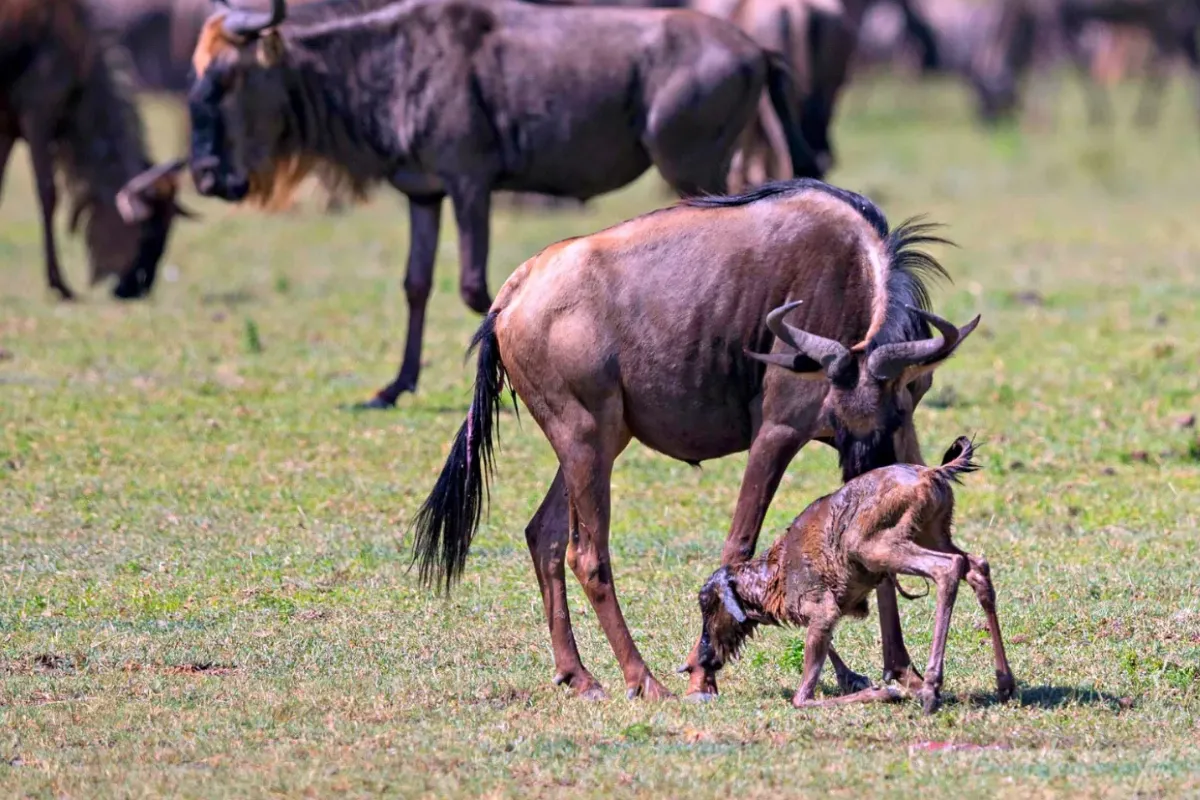
January to March brings a genuinely different experience, particularly across the southern Serengeti and its surrounding plains. Fresh grass draws in the large herds, and calving season generally falls within this window, opening up real chances to see newborn wildebeest alongside heightened predator activity. April and May sit within the longer rainy period, bringing greener landscape and noticeably fewer visitors in many areas. These months can still deliver strong game viewing, especially for travellers who value scenery and a quieter pace over guaranteed dry roads.
No single month guarantees the migration sitting in one particular spot, since the herds respond directly to rainfall and fresh grazing rather than a fixed calendar. Prioritising the dry-season experience? June to October is a strong pick. After calving and young animals specifically? January to March is genuinely worth targeting, while the other months each carry their own stage of the annual movement.
Choose Your Season for the Experience You Want
The best time to visit Serengeti really depends on the kind of safari you're after. The dry months bring comfortable conditions and clearer wildlife viewing, while January to March brings fresh grazing and the annual calving period across the southern plains. The rainy months reshape the landscape entirely with greener vegetation, giving the whole park a genuinely different atmosphere.
Anyone chasing the Great Migration specifically should plan around the herds' actual movement rather than a fixed calendar date. Rainfall and grazing conditions decide where the animals gather and when they shift between different parts of the ecosystem. Travellers after newborn animals and heightened predator activity might lean toward January to March, while those who prefer generally drier conditions tend to favour June to October instead.
The season chosen also shapes the scenery and pace of the whole trip. Dry periods open up clear views across the plains, while the green season brings fresh grass, shifting skies and fewer visitors in some areas. Since Serengeti delivers genuine wildlife experiences across the whole year, picking travel dates around your actual priorities is what gets the most out of time spent in the park.
Plan Your Tanzania Journey With
Local Safari Experts
Share your ideas and let our team shape the trip around you.
- Honest advice from local experts
- Routes designed around your personal travel interests
- Save hours with practical safari planning support






Your Tanzania Safari Travel Guide
Practical advice on Tanzania safari destinations, seasons,
activities, and planning your journey.


Hear From Our Travellers
Hear from travellers who discovered Tanzania with Lifetime Safaris
and shared their experiences
Good guide is very important
High recommend Danford and Lifetime Safaris! Danford is a skilled attentive driver with deep Safari knowledge and great instincts.

Paulo P
Love Lifetime Safaris
Great safari with our guide Humphrey! Safari roads are crazy and we felt safe, comfortable and well supported the whole time.
Kerri P
An unforgettable safari experience
An unforgettable experience indeed! We travelled with our friends and it’s a total six of us. Our guide Danford was excellent.
Stephen M
Trip of a lifetime with guide James
We have just recently returned from Tanzania, an absolute trip of a lifetime made even more special because of our guide James.
Cindy
Wonderful adventure in Tanzania
Wonderful adventure in Tanzania visiting local villages and markets, Materuni waterfalls, Tarangire, Serengeti, and Ngorongoro parks.
Oscar
Unforgettable Safari Experience
We had an incredible experience on our safari, and a huge part of that was thanks to our amazing guide James "Bond".
stephen k
Ready to plan?
Tell us your interests, dates, and ideas, and we’ll help
shape your Tanzania safari journey
Journeys
Explore Tanzania with journeys shaped around your interests, pace, and travel style.
Contact Us
Have questions about your Tanzania safari? Speak with our local team and start planning your journey.