
Your adventure begins
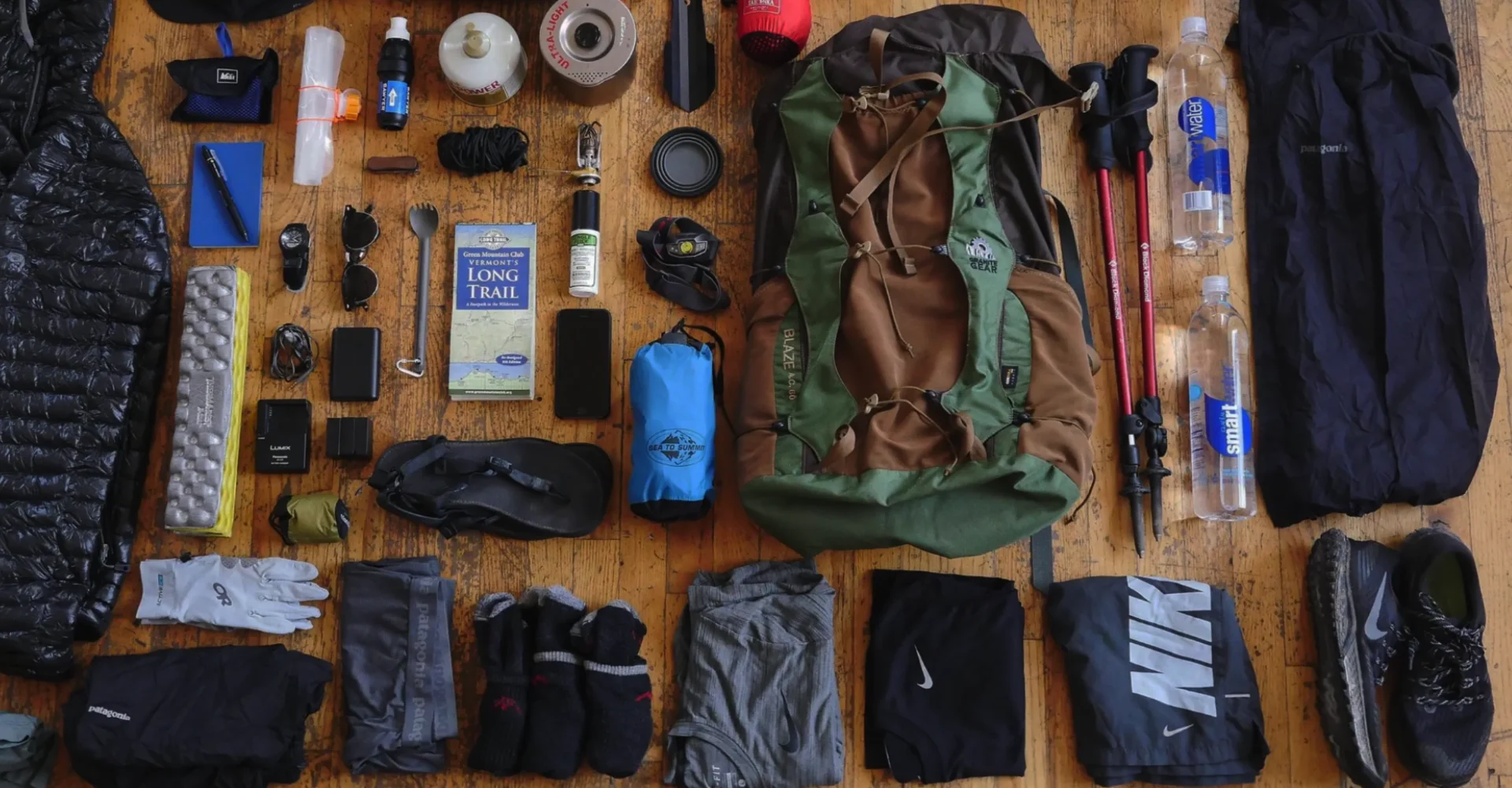
Pack light, layer well & bring the essentials for every
Tanzania safari
Why You Need a Tanzania Safari Packing List
Made for Every Kind of Safari Adventure
A good Tanzania safari packing list starts with understanding your itinerary. One day you may spend hours on a game drive across open plains. The next, you could be walking around your lodge, travelling between parks or enjoying a cooler evening at camp. Lightweight clothing, comfortable shoes and useful accessories can cover most situations. Neutral colours work well on game drives, and layers help through the temperature swings across a single day. There's no need to pack an entire wardrobe here — a genuinely practical selection of clothing, personal items and safari essentials keeps the luggage manageable while covering what's actually needed through the trip. The right choices also make transfers between camps and lodges noticeably easier.
Your packing needs can change with the season and your itinerary. Dry-season mornings can feel cool before temperatures rise, while rainy periods may require extra protection from showers. Comfortable clothing helps during long game drives, while a warm layer can make early starts more enjoyable. Good walking shoes earn their place around camps and lodges, and sun protection stays essential regardless of season. Packing around the real route, rather than a generic list, is what avoids carrying anything unnecessary.
Gear can also follow the specific activities planned. Add suitable gear for Mount Kilimanjaro, extra beachwear for Zanzibar, or camera equipment if photography is important to you. The goal is simple: carry what you will use and leave unnecessary items behind.
Tanzania, Your Way: Pack for Your Journey
Your Tanzania safari packing list should match the way you plan to travel. A short safari needs fewer clothes, while a longer itinerary may require additional layers or access to laundry. If you are travelling between several parks, soft-sided luggage can be easier to manage in safari vehicles and smaller aircraft. Think about your accommodation too. Lodges and tented camps may have different facilities and storage space. Packing smaller, practical items can make your journey easier and keep everything organised throughout the trip. It also helps you find essentials quickly when you move between destinations, especially during early starts and frequent transfers. Keep your most useful items accessible rather than buried beneath everything else.
Your luggage can also reflect your activities. Pack comfortable clothes for game drives, suitable shoes for camp walks and warmer layers for cooler mornings. A small day bag can keep items such as sunscreen, binoculars, water and a camera close by during outings. If you plan to combine safari with Zanzibar, keep swimwear and beach clothing easy to reach. If Kilimanjaro forms part of your trip, your trekking equipment needs will be different.
Pack around the actual itinerary rather than trying to prepare for every conceivable situation. A practical bag with versatile clothing and essential accessories covers most of what a Tanzania journey actually needs.
When To Pack for Tanzania
Prepare your luggage around the season, activities and destinations on
your itinerary
Tanzania remains a year-round safari destination, but your packing needs can change with the seasons. Dry months can bring cool mornings and warm afternoons, while wetter periods may require lightweight rain protection. Your destinations and activities also matter. A safari, Kilimanjaro trek and Zanzibar beach stay can all require different items, so plan your luggage around the complete journey.
- January
- February
- March
- April
- May
- June
- July
- August
- September
- October
- November
- December
- Best
- Good
- Mixed
What to Pack for a Tanzania Safari
The right Tanzania safari packing list depends on your travel season, destinations and activities. Lightweight clothing works well during warm days, while layers are useful for early morning game drives when temperatures can feel cooler. Comfortable footwear is important for moving around camps and lodges, while a rain jacket can be useful during wetter periods. Sun protection remains essential because you may spend several hours outdoors each day. A hat, sunglasses and sunscreen should stay within easy reach rather than packed away. Neutral-coloured clothing can also work well for wildlife viewing and photography. Choosing versatile pieces means you can create several outfits without carrying too much luggage.
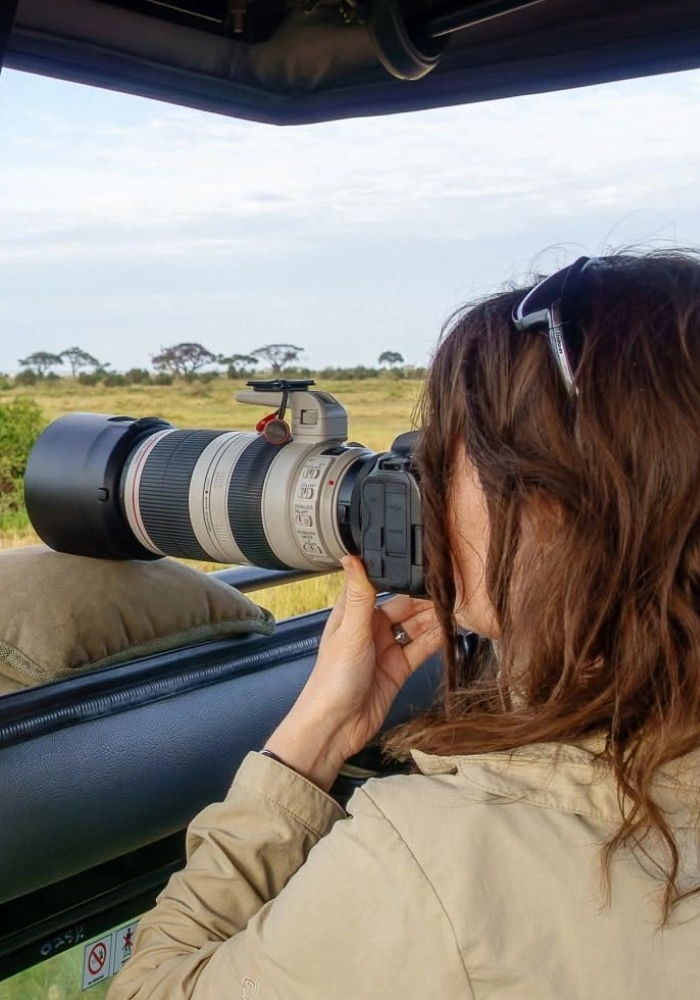
Your luggage should also reflect how you are travelling. Soft-sided bags can be practical for safari vehicles and internal flights, while a small daypack keeps daily essentials close. Binoculars, cameras and other equipment should remain accessible during game drives. Spending time in remote camps? Check what facilities are actually available before deciding how much to bring — some accommodation offers laundry, which cuts down on how much clothing is genuinely needed.
There is no need to overpack for Tanzania. Choose versatile clothing, useful accessories and items that suit your actual itinerary. A lighter, well-organised bag can make transfers easier and leave you more comfortable throughout the safari.
Tanzania, Your Way: Pack Beyond the Safari
Your packing needs can change if you combine a safari with other Tanzanian experiences. Mount Kilimanjaro requires specialised trekking clothing, sturdy footwear and equipment suited to changing temperatures at higher elevations. Zanzibar calls for swimwear, lightweight beach clothing and items suitable for time around the coast. Cultural visits may call for comfortable and respectful clothing, while longer road journeys make a small day bag useful. Planning for these activities before you leave can prevent last-minute shopping and help you keep everything organised throughout the trip. Think about each part of your itinerary and separate specialised items from everyday safari essentials so you know exactly what you need for every stage of your journey.
Accommodation and transport can also affect what you pack. Tented camps may require a few extra personal items, while internal flights often have stricter luggage limits. Keeping valuables, documents and frequently used items accessible makes travel between destinations easier. If you use camera equipment, protect it from dust and keep spare batteries ready. A simple packing system can help you move between safari vehicles, lodges, camps and flights without constantly unpacking everything.
The best packing list is the one that fits your itinerary. Think about the weather, activities, accommodation and transport before deciding what goes into your bag, then keep everything practical and manageable.
Your Tanzania Safari Travel Guide
Practical advice on Tanzania safari destinations, seasons,
activities, and planning your journey.


Frequently Asked Questions
About Tanzania Safari Packing
Packing for a Tanzania safari often raises questions about clothing, luggage, footwear and useful accessories. These answers cover common items travellers consider before starting their safari.
Pack lightweight, breathable clothing in practical colours, along with comfortable trousers, shirts, a warm layer, rain protection and suitable footwear for your safari activities.
Luggage limits depend on your safari vehicle, accommodation and internal flights. Check the requirements for your specific itinerary and choose soft-sided luggage where appropriate.
Binoculars are not essential, but they can make wildlife viewing more enjoyable by helping you see distant animals, birds and details that may be difficult to spot with the naked eye.
Sun protection, comfortable shoes, insect repellent, personal medication, travel documents, a reusable water bottle, binoculars, and chargers for essential devices are easy things to overlook until they're actually needed.
Plan Your Tanzania Journey With
Local Safari Experts
Share your ideas and let our team shape the trip around you.
- Honest advice from local experts
- Routes designed around your personal travel interests
- Save hours with practical safari planning support






Hear From Our Travellers
Hear from travellers who discovered Tanzania with Lifetime Safaris
and shared their experiences
Good guide is very important
High recommend Danford and Lifetime Safaris! Danford is a skilled attentive driver with deep Safari knowledge and great instincts.

Paulo P
Love Lifetime Safaris
Great safari with our guide Humphrey! Safari roads are crazy and we felt safe, comfortable and well supported the whole time.
Kerri P
An unforgettable safari experience
An unforgettable experience indeed! We travelled with our friends and it’s a total six of us. Our guide Danford was excellent.
Stephen M
Trip of a lifetime with guide James
We have just recently returned from Tanzania, an absolute trip of a lifetime made even more special because of our guide James.
Cindy
Wonderful adventure in Tanzania
Wonderful adventure in Tanzania visiting local villages and markets, Materuni waterfalls, Tarangire, Serengeti, and Ngorongoro parks.
Oscar
Unforgettable Safari Experience
We had an incredible experience on our safari, and a huge part of that was thanks to our amazing guide James "Bond".
stephen k
Ready to plan?
Tell us your interests, dates, and ideas, and we’ll help
shape your Tanzania safari journey
Journeys
Explore Tanzania with journeys shaped around your interests, pace, and travel style.
Contact Us
Have questions about your Tanzania safari? Speak with our local team and start planning your journey.