

A Landscape Full of Life
Elephants, ancient baobabs, open savannah, and unforgettable wildlife encounters in
northern Tanzania
Why visit Tarangire?
See Elephants and Baobabs in a Distinctive Landscape
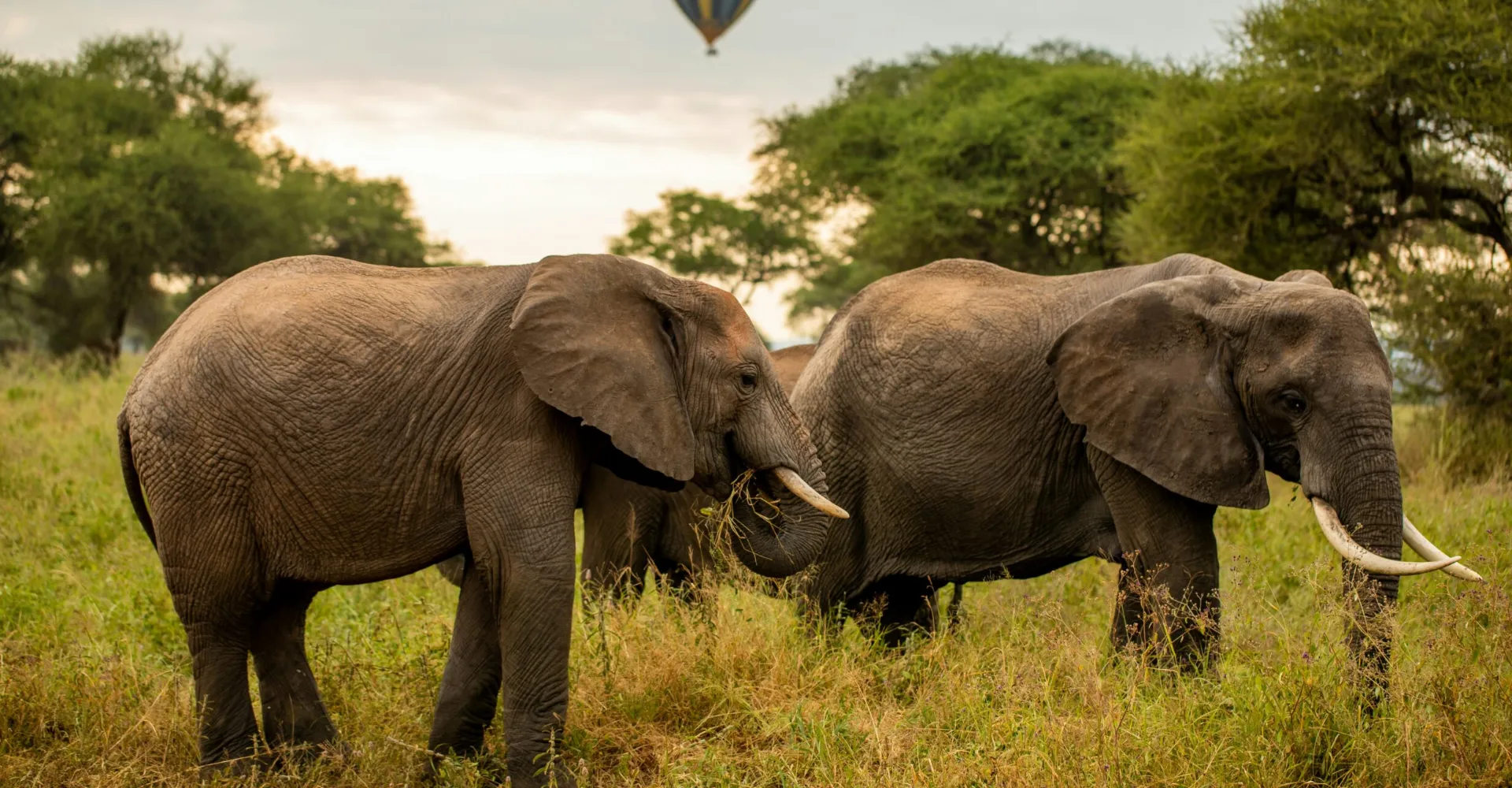
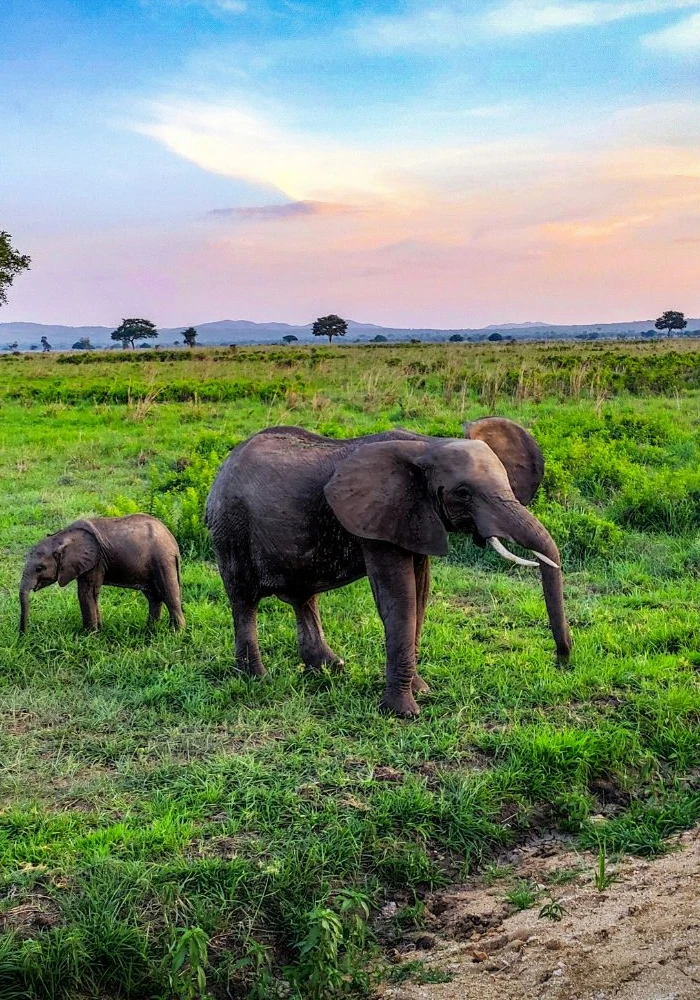
Tarangire National Park shows a different side of northern Tanzania entirely, with open savannah, ancient baobabs and some of the region's most memorable elephant encounters. The Tarangire River turns into a lifeline once the dry season sets in, drawing elephant, zebra, wildebeest, buffalo, giraffe and plenty more into areas where they're genuinely easier to spot. The scenery itself shifts from grassy plain to woodland to seasonal wetland, giving every game drive its own backdrop. For photographers, the mix of wildlife, dramatic trees and warm African light produces scenes that feel distinctly Tarangire and nothing like the rest of the northern circuit.
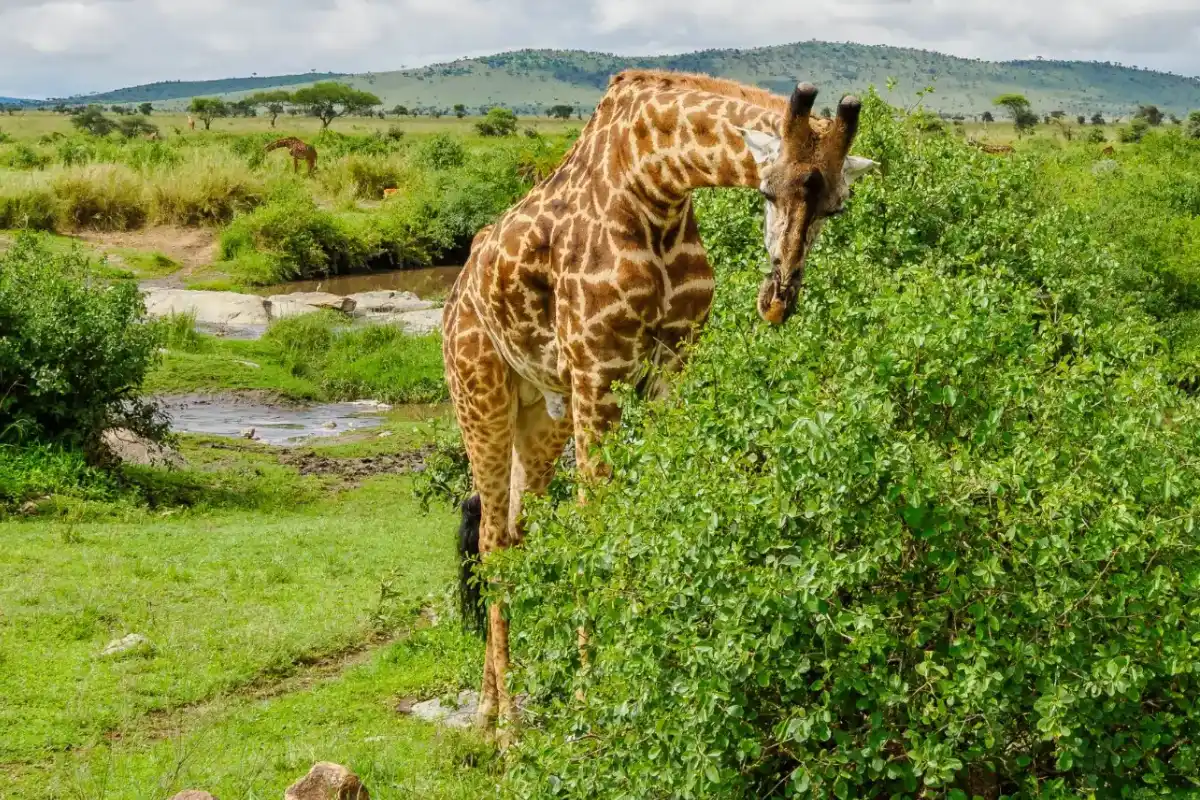
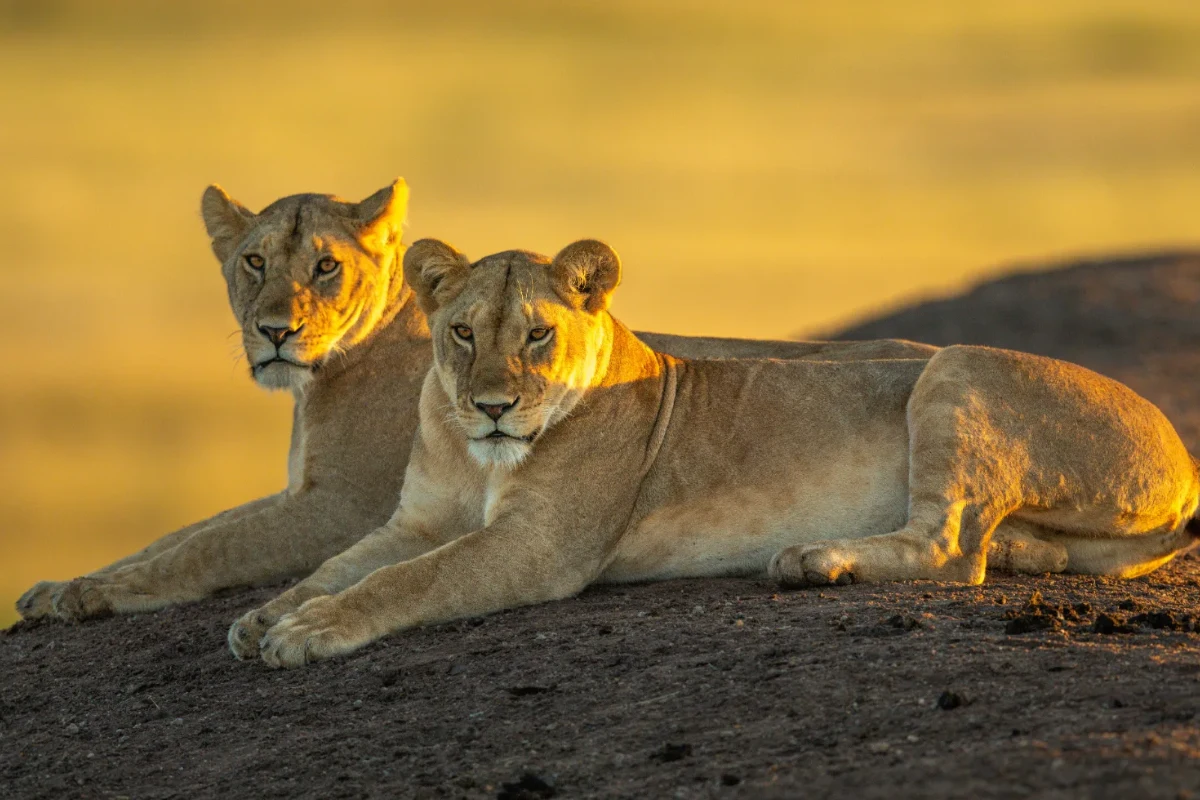
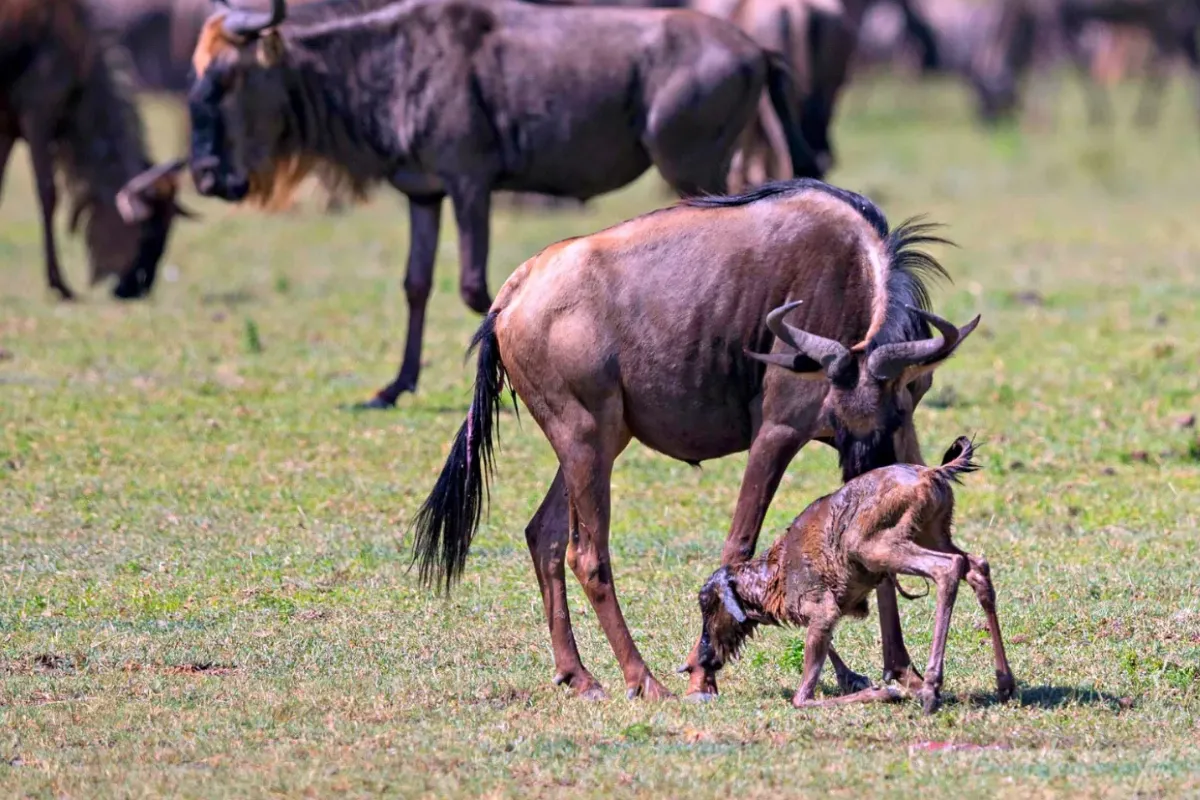
There's plenty here beyond the famous elephants too. Lion, leopard, cheetah, hyena, giraffe and a long list of antelope species move through the park's different habitats, while wetland and woodland pull in an impressive spread of birdlife. Through the dry season, wildlife clusters around whatever water's still reliable, while the rains bring greener growth and a noticeably quieter mood. Game drives and guided walks each reveal a different slice of the ecosystem, making a Tarangire safari genuinely rewarding for anyone after varied wildlife encounters rather than one type of sighting on repeat.
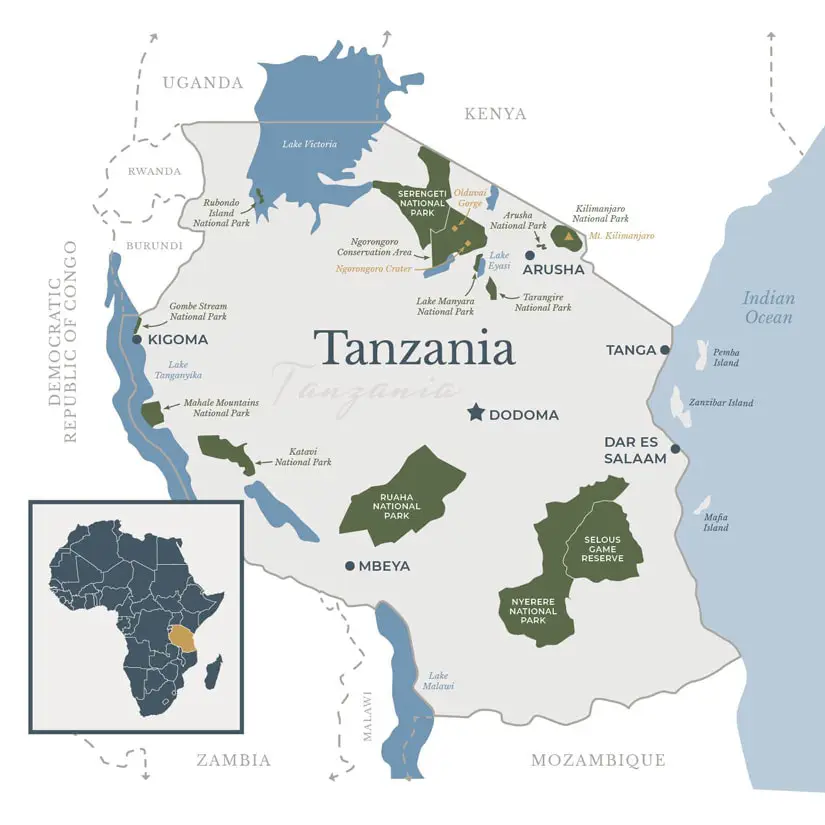
Tarangire's particular mix of elephants, baobabs and open landscape gives it a character all its own among northern Tanzania's parks. Sitting southwest of Arusha makes it an easy fit into a wider itinerary too. Even a short stop adds memorable wildlife viewing and genuinely distinctive scenery to a broader journey through northern Tanzania.
Experience Tarangire Through Changing Seasons
Tarangire is a park where the seasons genuinely shape the safari. Covering roughly 2,850 square kilometres, it holds open savannah, woodland, seasonal wetland and the Tarangire River itself, which matters more and more as the dry season wears on. Wildlife movement tracks water and food availability closely, so different parts of the park take on more or less importance depending on the time of year.
Those shifting conditions open up different opportunities depending on when you visit. The dry season pulls elephant and other wildlife toward dependable water, making certain areas especially productive for game viewing. After the rains, the landscape turns green and the seasonal wetlands fill back up, creating genuinely striking scenery alongside stronger birdlife. Photographers can frame wildlife against baobab and open plain, while birdwatchers work through the park's varied habitat at their own pace.
Tarangire also fits well into a longer northern Tanzania circuit. Combine it with Lake Manyara, Ngorongoro and Serengeti for a trip through genuinely contrasting landscapes and wildlife habitats. Whether the stay runs one day or several nights, Tarangire brings elephants, baobabs, seasonal wildlife and its own distinctive atmosphere into the wider safari.
Explore Tanzania Your Way
Explore Tanzania through wildlife, landscapes, culture,
mountains, beaches, and safari journeys
At Lifetime Safaris, we don't just organise your safari; we create the experience around you
As destination specialists, we combine local knowledge, thoughtful planning and a passion for Tanzania to create journeys shaped around your interests, pace and travel style.
With ancient baobabs, vast savannahs, elephant herds, and seasonal wetlands, Tarangire National Park offers unforgettable wildlife encounters and authentic safari experiences.
When To Visit
Discover the right season for elephants, wildlife, greener landscapes, and unforgettable game drives.
Tarangire welcomes visitors year-round, though the safari experience genuinely shifts with the seasons. Through the dry months, wildlife tends to gather around reliable water sources, while the rainy periods bring fresh vegetation, seasonal water and noticeably more bird activity. June to October remains the most popular stretch for concentrated wildlife viewing.
- January
- February
- March
- April
- May
- June
- July
- August
- September
- October
- November
- December
- Best
- Good
- Mixed
Best time to go on safari in Tarangire
June to October
June to October is generally the most popular window for a Tarangire safari. As the dry season wears on, natural water grows scarcer, and wildlife concentrates around the Tarangire River and other dependable sources. Vegetation thins out too, which sharpens visibility on game drives considerably. Elephants are especially impressive during this stretch, and other wildlife becomes noticeably easier to locate around water. Clear skies and generally dry roads round out why these months feel so comfortable for exploring the park.
January and February offer another solid window, with relatively dry conditions and genuinely good wildlife-viewing opportunities of their own. November and December bring the short rains, while March to May marks the longer rainy stretch. The wetter months bring greener scenery, seasonal water and strong bird activity, though wildlife can spread more thinly once water opens up across a wider area. The landscape also takes on a fresh, revived look once the rain has passed through.
For concentrated wildlife viewing, June to October is the popular pick. Travellers drawn to greener scenery, real seasonal change and a quieter atmosphere may prefer the wetter periods instead. Tarangire stays a genuine year-round destination, so the ideal timing really comes down to the kind of safari you want rather than any single month suiting every traveller equally.
See How Tarangire Changes With the Seasons
Tarangire takes on a genuinely different character as the seasons turn. Through the dry months, the landscape opens up as grasses and vegetation thin out, and wildlife movement ties closely to whatever water remains reliable. The Tarangire River pulls in elephant and other animals, creating consistently productive areas for game viewing across the surrounding plain and woodland.
Rain transforms the park on arrival, bringing fresh grass, greener trees and seasonal water across parts of the landscape. Bird activity picks up noticeably, and the refreshed vegetation makes for genuinely attractive photography and scenic drives. Wildlife spreads across a wider area once water and food become more available generally, so the experience can feel less concentrated than during the driest months.
Your preferred travel window can also come down to the atmosphere you actually want from the trip. June to October suits travellers after dry conditions and concentrated wildlife viewing specifically, while the wetter months appeal more to those drawn to greener landscape, active birdlife and genuine seasonal change. Choosing your dates around these differences is what actually gets more out of a Tarangire safari.
Plan Your Tanzania Journey With
Local Safari Experts
Share your ideas and let our team shape the trip around you.
- Honest advice from local experts
- Routes designed around your personal travel interests
- Save hours with practical safari planning support







Your Tanzania Safari Travel Guide
Practical advice on Tanzania safari destinations, seasons,
activities, and planning your journey.


Hear From Our Travellers
Hear from travellers who discovered Tanzania with Lifetime Safaris
and shared their experiences
Good guide is very important
High recommend Danford and Lifetime Safaris! Danford is a skilled attentive driver with deep Safari knowledge and great instincts.

Paulo P
Love Lifetime Safaris
Great safari with our guide Humphrey! Safari roads are crazy and we felt safe, comfortable and well supported the whole time.
Kerri P
An unforgettable safari experience
An unforgettable experience indeed! We travelled with our friends and it’s a total six of us. Our guide Danford was excellent.
Stephen M
Trip of a lifetime with guide James
We have just recently returned from Tanzania, an absolute trip of a lifetime made even more special because of our guide James.
Cindy
Wonderful adventure in Tanzania
Wonderful adventure in Tanzania visiting local villages and markets, Materuni waterfalls, Tarangire, Serengeti, and Ngorongoro parks.
Oscar
Unforgettable Safari Experience
We had an incredible experience on our safari, and a huge part of that was thanks to our amazing guide James "Bond".
stephen k
Ready to plan?
Tell us your interests, dates, and ideas, and we’ll help
shape your Tanzania safari journey
Journeys
Explore Tanzania with journeys shaped around your interests, pace, and travel style.
Contact Us
Have questions about your Tanzania safari? Speak with our local team and start planning your journey.