

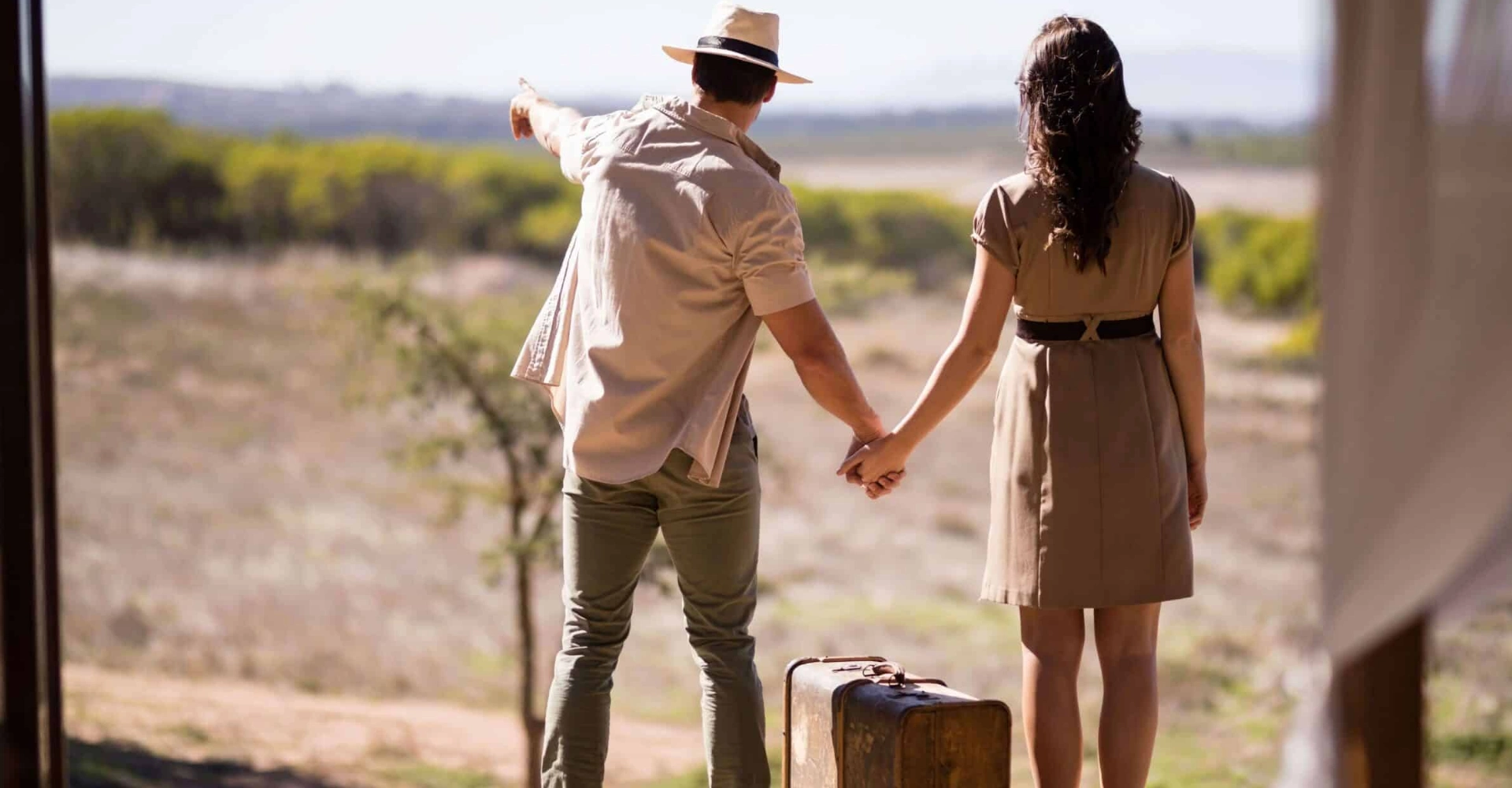
Your adventure begins
Pack smart for your Kenya safari, from game drives and walking adventures to cool mornings
and coastal escapes
Why Prepare a Kenya Safari Packing List?
Made for Every Kind of Kenya Adventure
A Kenya safari packing list should focus on comfort, changing weather, and long days outdoors. Lightweight clothing, useful layers, comfortable shoes, sun protection, and personal essentials can cover most game drives and safari activities without making your luggage difficult to manage. The aim is to pack practical items you can reuse throughout your journey and across different stops. It also helps you move between camps, lodges and vehicles more easily, particularly when your route includes several destinations. Avoid packing separate clothes for every activity; instead, choose pieces that work together and can be layered when temperatures change. A little planning before departure can make daily packing and unpacking much easier each day.
Think in layers rather than complete outfits. Neutral shirts, comfortable trousers, a light jacket, sun protection, and reliable footwear can handle many everyday safari conditions. This keeps daily dressing simple and reduces unnecessary luggage during transfers between camps and lodges, while leaving space for essentials. A practical wardrobe also works well when you need to wash and reuse clothing on longer trips. Choose fabrics that dry reasonably quickly and avoid bulky pieces that take up space. This approach is especially useful when your safari includes internal flights or luggage limits between remote camps.
Your itinerary should guide what you pack, especially when it includes walking, hiking, or coastal stays. A few versatile pieces can cover most activities. Check your plans and pack accordingly for season and activities.
Kenya, Your Way: Plan Your Packing
Every Kenya safari can call for a slightly different packing approach. Your destination, season, activities, accommodation and travel style can influence what belongs in your bag. A classic game drive needs practical layers and comfortable footwear, while a walking safari may require supportive shoes and a coastal extension may call for swimwear and lighter clothing. Planning around the actual itinerary avoids carrying things that will rarely get used while keeping the important essentials within easy reach. It is worth thinking through luggage limits and laundry options when deciding how much to take — a simple, flexible bag usually works best, and it makes daily transfers considerably easier.
Pack for changing conditions rather than every possibility. Early drives can feel cool, afternoons may become warm, and showers can appear during wetter periods. A small collection of versatile pieces gives you flexibility without filling your luggage. Keep frequently used items in a daypack so sunscreen, water, sunglasses, binoculars and medication remain easy to reach during drives. Separate clothing into simple groups, making it easier to find what you need without unpacking everything. Keep documents and valuable equipment protected. This keeps the bag easier to manage during busy travel days and transfers.
Good packing keeps your safari comfortable and your luggage manageable from start to finish, wherever your Kenya journey takes you with care.
When To Pack for a Kenya Safari
Prepare your luggage around the season, activities & destinations
on your itinerary
Kenya can be visited throughout the year, but your packing choices should reflect seasonal weather and the regions included in your itinerary. Dry periods may call for extra sun protection, while wetter months make a lightweight rain layer more useful. Cooler mornings also make layers valuable. Check the forecast before departure.
- January
- February
- March
- April
- May
- June
- July
- August
- September
- October
- November
- December
- Best
- Good
- Mixed
How to Pack for a Kenya Safari
Start with your itinerary, then build your packing list around activities, season and destinations you will experience. For a classic game-drive safari, prioritise lightweight clothing, comfortable shoes, a warm morning layer, sun protection, binoculars and a small daypack. If you are visiting several parks, choose pieces that can work across different conditions rather than packing separate outfits for every destination. Walking safaris may require sturdier footwear, while coastal extensions call for swimwear, sandals and lighter clothing. Keep frequently used items accessible and organise the rest into simple groups so you can find what you need without unpacking your entire bag. This approach keeps your luggage practical while still giving you enough flexibility for changing weather and different activities. Keep your packing simple.
Pack heavier or less frequently used items at the bottom of your luggage and keep essentials near the top. Use small pouches for toiletries, electronics and personal items, and protect camera equipment from dust. If you are taking an internal flight, check the operator's baggage allowance. Keep medication and valuable electronics with you. Organise everything before departure for easy access.
The goal is simple: pack light, layer well and leave room for essentials. You do not need to carry everything you own each day.
Kenya, Your Way: Pack for Your Itinerary
Your Kenya safari may combine several destinations, so your packing list should remain flexible from one stop to the next. The Maasai Mara, Amboseli, Samburu and other areas can have different temperatures and activities, while a coastal extension introduces completely different clothing needs. Build your luggage around shared essentials first, then add only the items your specific itinerary requires. This keeps your bag manageable and makes transfers between camps, lodges and vehicles easier. A versatile wardrobe can cover most days without making your luggage unnecessarily heavy.
Think about how each item will be used before adding it. A lightweight jacket can serve cool mornings and evenings, comfortable trousers can work for drives and walks, and a daypack can carry essentials throughout the day. Versatile pieces reduce clutter and save space during transfers.
Pack for the journey you have planned, not every possible situation. Check your itinerary and choose pieces you can layer or reuse throughout your safari journey.
Travel Guide To Visit Kenya
Easy to read Tanzania travel guide with what's rated,
underrated or overrated

Frequently Asked Questions
About Kenya Safari Packing Requirements
These answers cover common questions about clothing, footwear, luggage, weather, toiletries and useful essentials for a comfortable Kenya safari before you begin your journey.
Pack lightweight, breathable clothing, comfortable trousers, layers, a light jacket and neutral colours. Add warm clothing for cool mornings and suitable footwear for activities during travel.
Comfortable walking shoes work for many safaris. Bring sturdier footwear if your itinerary includes walking safaris, hikes or longer outdoor activities on uneven terrain safely on walks.
Cool mornings can make a fleece, sweater or light jacket useful, especially during early game drives or in higher-altitude areas. Layering makes temperature changes easier to manage.
A lightweight rain jacket is useful during wetter periods or unexpected showers. It takes little space and can protect you during outdoor activities and camps when needed.
Plan Your Tanzania Journey With
Local Safari Experts
Share your ideas and let our team shape the trip around you.
- Honest advice from local experts
- Routes designed around your personal travel interests
- Save hours with practical safari planning support







Hear From Our Travellers
Hear from travellers who discovered Tanzania with Lifetime Safaris
and shared their experiences
Good guide is very important
High recommend Danford and Lifetime Safaris! Danford is a skilled attentive driver with deep Safari knowledge and great instincts.

Paulo P
Love Lifetime Safaris
Great safari with our guide Humphrey! Safari roads are crazy and we felt safe, comfortable and well supported the whole time.
Kerri P
An unforgettable safari experience
An unforgettable experience indeed! We travelled with our friends and it’s a total six of us. Our guide Danford was excellent.
Stephen M
Trip of a lifetime with guide James
We have just recently returned from Tanzania, an absolute trip of a lifetime made even more special because of our guide James.
Cindy
Wonderful adventure in Tanzania
Wonderful adventure in Tanzania visiting local villages and markets, Materuni waterfalls, Tarangire, Serengeti, and Ngorongoro parks.
Oscar
Unforgettable Safari Experience
We had an incredible experience on our safari, and a huge part of that was thanks to our amazing guide James "Bond".
stephen k
Ready to plan?
Tell us your interests, dates, and ideas, and we’ll help
shape your Tanzania safari journey
Journeys
Explore Tanzania with journeys shaped around your interests, pace, and travel style.
Contact Us
Have questions about your Tanzania safari? Speak with our local team and start planning your journey.