

Your adventure begins
Understand Kenya safety before your safari, city stay, cultural experience
or coastal escape
Why Understand Kenya Safety?
Made for Every Kind of Kenya Adventure
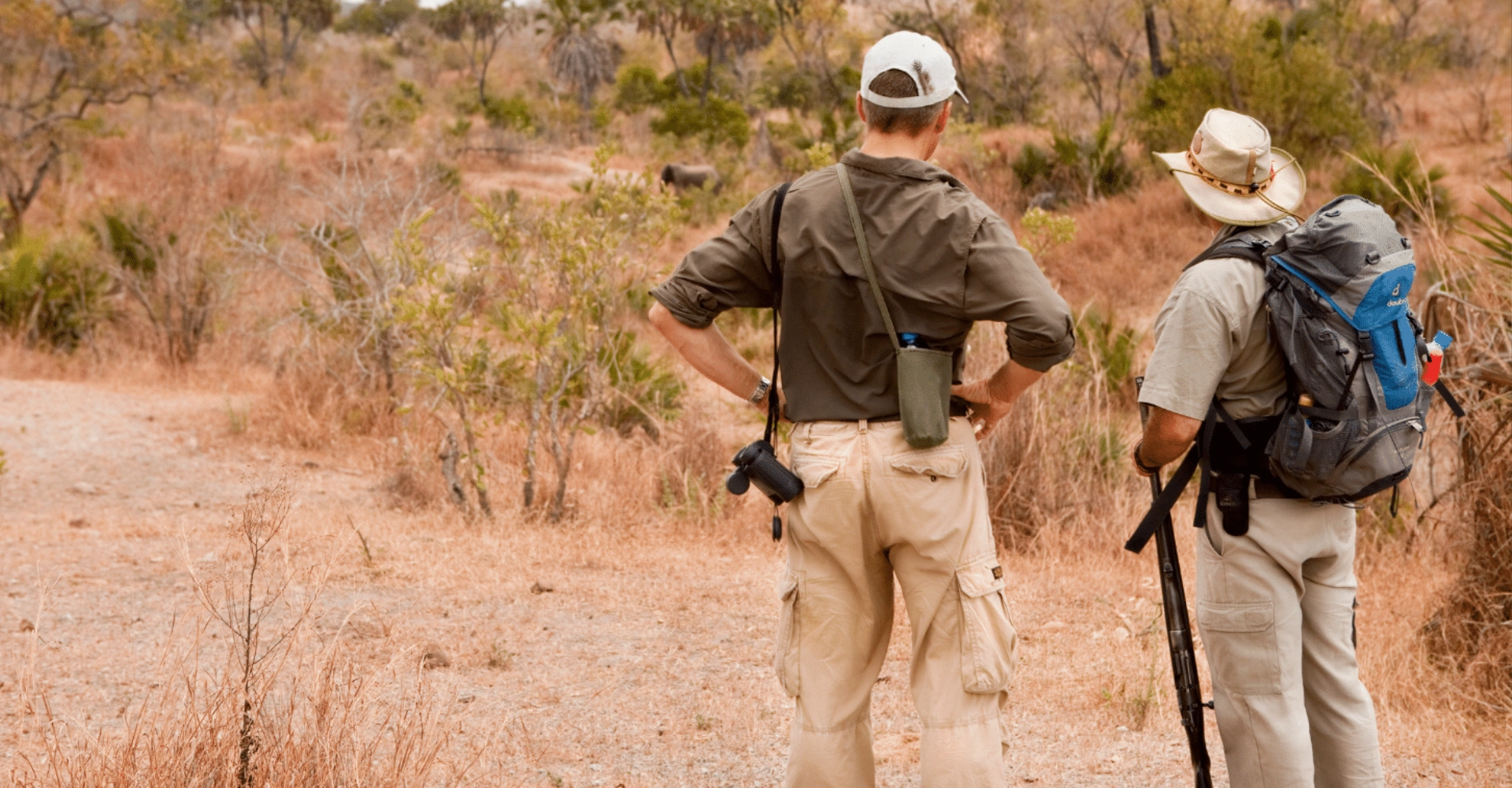
Understanding Kenya safety before travelling helps you prepare for different destinations, activities and travel conditions. A Kenya trip can include busy cities, remote safari areas, long road journeys and coastal destinations, so practical precautions may differ throughout your itinerary. During a safari, follow your guide's instructions and maintain a safe distance from wildlife. In towns and cities, take normal precautions with personal belongings and remain aware of your surroundings. Preparing before departure can help you understand what to expect and reduce avoidable problems during your journey. Keep important documents, emergency contacts and accommodation information accessible throughout the trip. Check current official travel guidance before departure and review your plans if conditions change. Good preparation can make everyday travel easier.
Your travel arrangements also influence how you should approach safety. Private transfers, organised safaris and reputable accommodation can provide structured support, while independent travel requires more responsibility for routes and local arrangements. Confirm transport details before travelling, avoid carrying unnecessary valuables and keep someone informed of your itinerary when appropriate. If you are visiting remote areas, understand where medical facilities and communication services are available. These simple preparations can help you respond more effectively if plans change or an unexpected situation occurs during your trip.
Your itinerary may include Maasai Mara, Amboseli, Samburu, Nairobi or the Kenyan coast. Plan safety precautions around each destination and activity.
Kenya, Your Way: Plan Your Safety
Every Kenya travel itinerary can involve different safety considerations. Your destinations, transport arrangements and activities determine what precautions make sense. Safari travel requires particular attention around wildlife, while city visits require awareness of your surroundings and belongings. If you are travelling between several destinations, confirm transfers and accommodation before departure and keep important information accessible. Families and groups should make sure everyone knows the basic itinerary and emergency contacts. This preparation can make unexpected changes easier to handle and helps you avoid relying on assumptions about unfamiliar places. It also gives you time to identify practical concerns before you leave.
Your plans may combine a safari with hiking, cultural visits or a coastal stay. Each activity has different practical considerations, so check local guidance before participating. During wildlife activities, remain with your guide and follow instructions about where and when you can walk. If you plan independent activities, use reputable providers and understand the arrangements before setting out. Your safari operator can explain itinerary-specific precautions, while official travel information should remain your main reference for broader safety guidance.
Safety preparation does not need to be complicated. Check current guidance, organise your travel arrangements and follow local instructions throughout your journey.
When To Plan Your Kenya Safari
Choose your travel dates around weather, destinations
& activities
Kenya can be visited throughout the year, but weather and travel conditions vary between regions and seasons. Your safety preparations should reflect the destinations and activities in your itinerary. Check current conditions before departure and remain aware of local guidance throughout your journey, particularly when visiting remote areas.
- January
- February
- March
- April
- May
- June
- July
- August
- September
- October
- November
- December
- Best
- Good
- Mixed
How to Stay Safe in Kenya
Staying safe in Kenya starts with understanding your itinerary and preparing for the activities you plan to undertake. During a safari, follow your guide's instructions, remain inside the vehicle when advised and never approach wildlife independently. In cities and busy areas, take normal precautions with valuables and remain aware of your surroundings. Use reputable transport providers, confirm accommodation arrangements and keep important documents protected. Before departure, check current official travel guidance for the destinations you plan to visit. If your trip includes remote parks, ask your operator about communication, emergency procedures and available medical support. These steps help you prepare for different situations without making your trip unnecessarily restrictive. Stay informed throughout the journey.
Your itinerary may also include hiking, cultural visits or coastal activities. Each experience has its own practical considerations, so follow local instructions and use reputable guides or providers. Check weather and local conditions before setting out, especially when participating in outdoor activities. Carry water, sun protection and any personal medication you may need during the day.
Safety is about preparation and awareness. Follow local guidance, respect wildlife and avoid unnecessary risks throughout your Kenya journey.
Kenya, Your Way: Prepare Before You Travel
Your Kenya travel itinerary should include basic safety planning before departure. Confirm your accommodation, transfers and activities, and keep emergency contacts available throughout the trip. If you are travelling with family or friends, make sure everyone knows the basic route and has access to important information. Keep digital copies of passports, insurance details and bookings in a secure location. If your plans change, confirm new arrangements with your operator or accommodation rather than assuming that previous arrangements remain valid. This is particularly useful when moving between cities, safari camps and remote destinations.
Keep your travel information together with your other important documents. If you are staying in a remote area, ask about emergency procedures and communication options when you arrive. Follow accommodation instructions about walking after dark, wildlife and other local conditions. Your guide or lodge staff can provide practical advice based on the specific location.
A little preparation can make your Kenya journey more comfortable. Check current guidance, organise your arrangements and follow local instructions throughout your trip.
Travel Guide To Visit Kenya
Easy to read Tanzania travel guide with what's rated,
underrated or overrated



Frequently Asked Questions
About Kenya Safety
Understanding Kenya safety can help you prepare for wildlife encounters, transport, health needs and everyday travel. These answers cover common safety questions.
Follow your guide's instructions, respect wildlife and take normal precautions with personal belongings. Check current official travel guidance before your journey for destination-specific information.
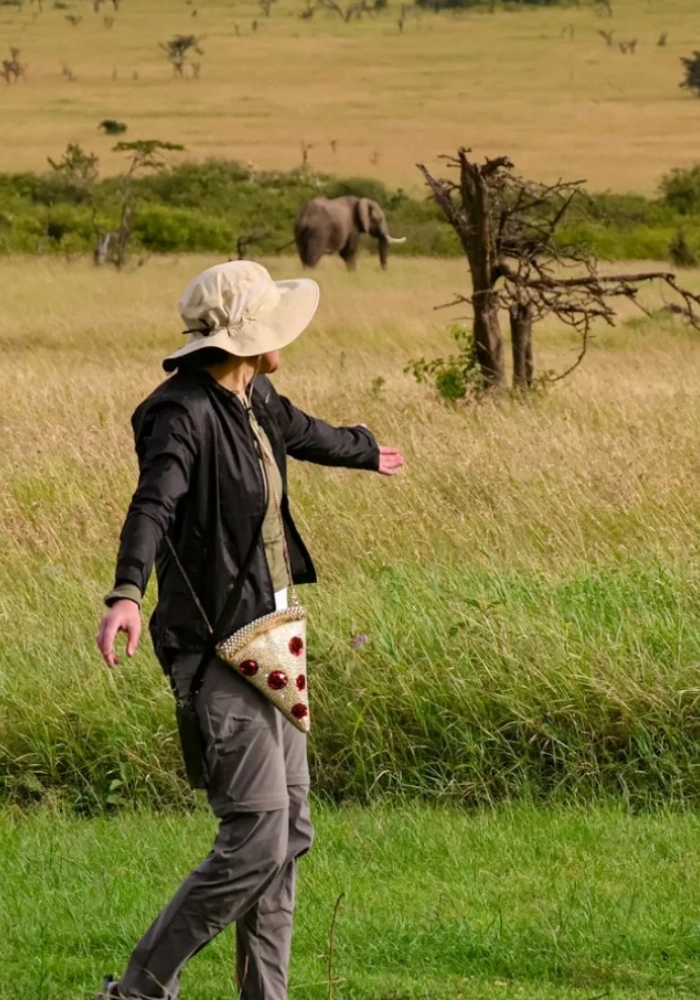
Remain with your guide, stay inside the vehicle when instructed and never approach or feed animals. Follow camp rules and ask before leaving designated areas.
Stay calm, follow your guide's instructions and maintain the recommended distance. Never attempt to attract, touch or approach wild animals, even for photographs.
Travel insurance can provide support for unexpected medical needs, trip changes and emergencies. Review the policy carefully and make sure its coverage matches your itinerary and activities.
Plan Your Tanzania Journey With
Local Safari Experts
Share your ideas and let our team shape the trip around you.
- Honest advice from local experts
- Routes designed around your personal travel interests
- Save hours with practical safari planning support







Hear From Our Travellers
Hear from travellers who discovered Tanzania with Lifetime Safaris
and shared their experiences
Good guide is very important
High recommend Danford and Lifetime Safaris! Danford is a skilled attentive driver with deep Safari knowledge and great instincts.

Paulo P
Love Lifetime Safaris
Great safari with our guide Humphrey! Safari roads are crazy and we felt safe, comfortable and well supported the whole time.
Kerri P
An unforgettable safari experience
An unforgettable experience indeed! We travelled with our friends and it’s a total six of us. Our guide Danford was excellent.
Stephen M
Trip of a lifetime with guide James
We have just recently returned from Tanzania, an absolute trip of a lifetime made even more special because of our guide James.
Cindy
Wonderful adventure in Tanzania
Wonderful adventure in Tanzania visiting local villages and markets, Materuni waterfalls, Tarangire, Serengeti, and Ngorongoro parks.
Oscar
Unforgettable Safari Experience
We had an incredible experience on our safari, and a huge part of that was thanks to our amazing guide James "Bond".
stephen k
Ready to plan?
Tell us your interests, dates, and ideas, and we’ll help
shape your Tanzania safari journey
Journeys
Explore Tanzania with journeys shaped around your interests, pace, and travel style.
Contact Us
Have questions about your Tanzania safari? Speak with our local team and start planning your journey.