

Your Tanzania Adventure Begins
Experience Tanzania's wildlife and landscapes through practical camping safaris
designed for travellers who want more adventure without a luxury-safari price tag.
Why Choose a Tanzania Budget Safari?
More Wilderness, Less Luxury
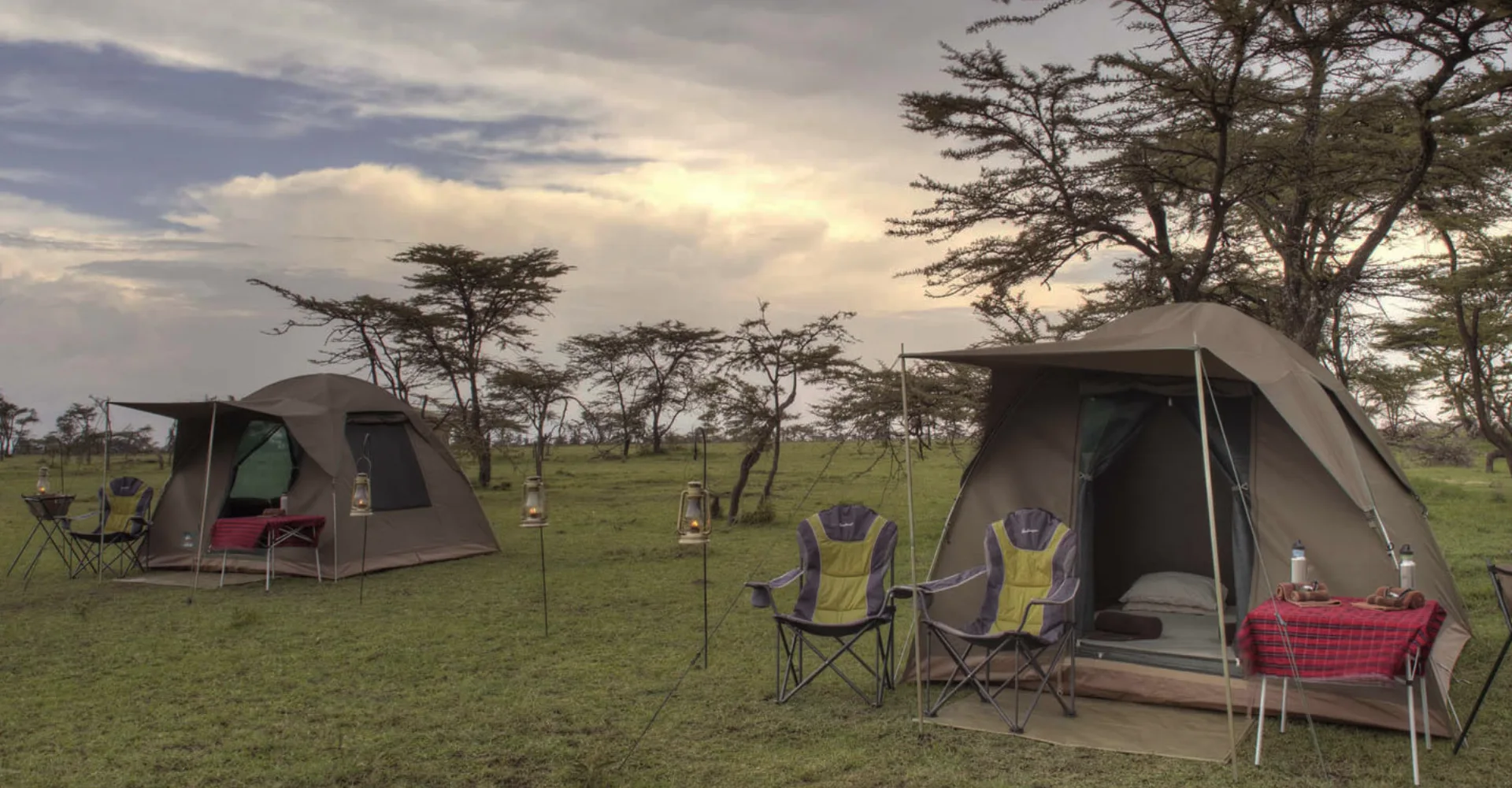
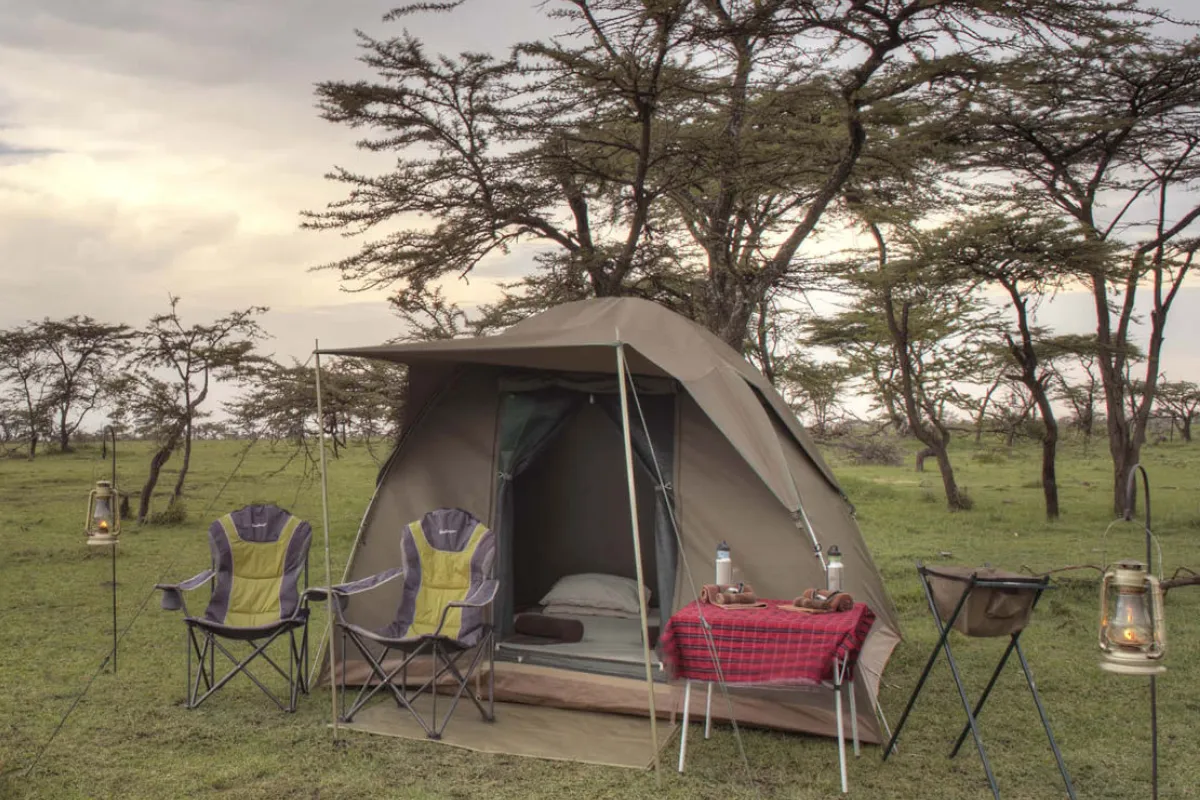
A Tanzania Budget Safari offers a way to experience the country's famous wildlife areas without building the trip around expensive lodges. Lifetime Safaris describes budget safaris around small, comfortable tents, self-catering food and time spent close to nature. The approach focuses on experiencing the bush rather than adding unnecessary luxury. The Northern Circuit forms an important part of the experience, with routes reaching well-known game reserves and landscapes filled with savannah, baobab and acacia trees. You can spend your days exploring by vehicle and your nights camping close to the wilderness. This makes the safari feel active, outdoors-focused and connected to the environment.
The source highlights several itinerary lengths, including a four-day Tanzania Budget Camping Safari and a seven-day option. A shorter trip can cover key parts of the Northern Circuit when your schedule is limited, while a longer route gives you more time for wildlife and cultural experiences. The seven-day itinerary can include encounters with Maasai communities, while other routes bring you towards Lake Manyara and Ngorongoro. These options make it possible to adjust the experience according to the time you have available.
Camping Close to the Action
Camping changes the rhythm of a Tanzania safari. Instead of returning to a luxury lodge after every game drive, you can spend the night in a small, comfortable tent and remain close to the natural surroundings. The source describes nights in tents near the bush as part of the budget safari experience. Self-catering food also forms part of this approach, making the trip more straightforward for travellers who want to focus on wildlife rather than high-end facilities. It is particularly suited to people who enjoy spending time outdoors.
The Northern Circuit gives you plenty to explore. Depending on your itinerary, you can drive through open plains, see baobab and acacia trees, visit Lake Manyara, descend into the Ngorongoro Conservation Area or explore the Serengeti. Wildlife can include members of the Big Five along with giraffes, zebras, hippos, cheetahs and antelope. Cultural visits can also add another side to the journey.
You spend less time worrying about luxury and more time experiencing Tanzania. The result is a practical safari built around wildlife, landscapes, camping and the feeling of being close to the bush.
When to Experience a Tanzania Budget Safari
Choose your dates around wildlife conditions, camping weather and the parks
and experiences you want to include.
Lifetime Safaris recommends the dry season from June to October as the best general period for a Tanzania safari. June is dry and busy, July and August bring peak safari conditions, September remains dry, and October sees the first rains. January to March can offer an alternative, while the wetter months bring different conditions across the parks.
- January
- February
- March
- April
- May
- June
- July
- August
- September
- October
- November
- December
- Best
- Good
- Mixed
How to Plan a Tanzania Budget Safari
Planning a Tanzania Budget Safari starts with deciding how much time you have and which parks you most want to experience. A four-day camping safari can provide a shorter introduction to the Northern Circuit, while a seven-day route gives you more time for wildlife and cultural experiences. The source also describes a six-day adventure safari with extended game drives, Lake Manyara walks and a visit to the Ngorongoro Conservation Area. Comparing these options can help you choose an itinerary that fits your schedule rather than adding destinations simply to make the trip longer. The route should give you enough time in each park to enjoy the experience.
Accommodation is another important part of the budget calculation. The source focuses on small, comfortable tents and self-catering food rather than luxury lodges. This keeps the experience centred on the wilderness while reducing the emphasis on expensive facilities. You should also consider the season, number of safari days and activities included when planning your total budget. Lifetime Safaris recommends the dry season from June to October, although January to March and November to mid-December can provide alternatives. Confirm the itinerary and practical arrangements before departure.
Build Your Safari Around What Matters
Your route can be shaped around the experiences you want most. If wildlife is the priority, you can focus on the Serengeti, Ngorongoro and Tarangire. If you want more variety, add Lake Manyara, cultural encounters or longer game-drive days. The source's itineraries show that budget travel can still include extensive time in Tanzania's major wildlife areas. Choose between shorter and longer camping routes depending on the time available. That makes the trip easy to adapt to different schedules without losing its outdoor character. This keeps the safari practical and focused throughout.
This travel suits people who'd rather spend money on experiences than accommodation. A comfortable tent provides a base, while parks, wildlife and landscape become the focus. Self-catering helps. Before booking, check the route, nights, parks, activities and accommodation style, so the safari is clear before departure.
Keep the itinerary practical, but do not make it too rushed. A few extra hours in a wildlife area can be more valuable than adding another destination to your route.
Explore Our Activities
Discover unforgettable experiences through our
favorite safari activities

Frequently Asked Questions
About Tanzania Budget Safari
These common Tanzania Budget Safari FAQs cover timing, destinations, camping, activities, wildlife, and the typical length of a budget safari.
Lifetime Safaris recommends June to October as the best general period, while January to March and November to mid-December can provide alternative travel periods depending on your plans.
The source highlights Serengeti National Park, Ngorongoro Crater, Tarangire National Park, Lake Manyara National Park, and Selous Game Reserve as popular safari destinations in Tanzania.
The page focuses on small, comfortable tents and camping close to nature, with self-catering food forming part of the budget safari experience.
Activities mentioned by the source include game drives, walks around Lake Manyara, cultural experiences with Maasai and Hadzabe communities, and exploring Tanzania's major wildlife areas.
Plan Your Tanzania Journey With
Local Safari Experts
Share your ideas and let our team shape the trip around you.
- Honest advice from local experts
- Routes designed around your personal travel interests
- Save hours with practical safari planning support







Hear From Our Travellers
Hear from travellers who discovered Tanzania with Lifetime Safaris
and shared their experiences
Good guide is very important
High recommend Danford and Lifetime Safaris! Danford is a skilled attentive driver with deep Safari knowledge and great instincts.

Paulo P
Love Lifetime Safaris
Great safari with our guide Humphrey! Safari roads are crazy and we felt safe, comfortable and well supported the whole time.
Kerri P
An unforgettable safari experience
An unforgettable experience indeed! We travelled with our friends and it’s a total six of us. Our guide Danford was excellent.
Stephen M
Trip of a lifetime with guide James
We have just recently returned from Tanzania, an absolute trip of a lifetime made even more special because of our guide James.
Cindy
Wonderful adventure in Tanzania
Wonderful adventure in Tanzania visiting local villages and markets, Materuni waterfalls, Tarangire, Serengeti, and Ngorongoro parks.
Oscar
Unforgettable Safari Experience
We had an incredible experience on our safari, and a huge part of that was thanks to our amazing guide James "Bond".
stephen k
Ready to plan?
Tell us your interests, dates, and ideas, and we’ll help
shape your Tanzania safari journey
Journeys
Explore Tanzania with journeys shaped around your interests, pace, and travel style.
Contact Us
Have questions about your Tanzania safari? Speak with our local team and start planning your journey.