
Your Photography Adventure Begins
Follow wildlife, changing light and dramatic landscapes across Tanzania
with more time in the field to create photographs worth keeping.
Why Choose a Tanzania Photographic Safari?
Tanzania Through Your Lens
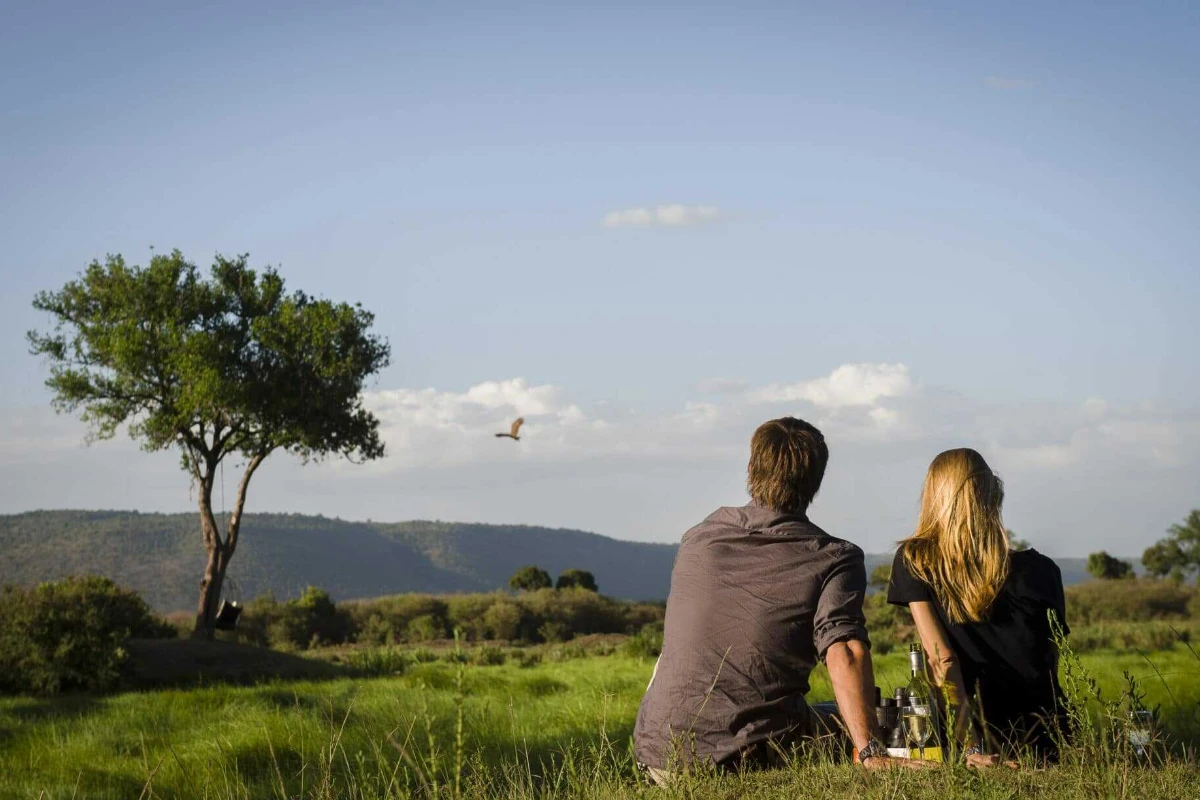
A Tanzania Photographic Safari gives you the opportunity to experience the country through a camera rather than simply passing through its wildlife areas. Tanzania offers a remarkable variety of subjects, from the open plains of the Serengeti to Mount Kilimanjaro, highland craters, flamingo-filled lakes and the beaches of Zanzibar. The Serengeti can provide opportunities to photograph sunsets and wildebeest during migration, while Ngorongoro brings wildlife and dramatic crater landscapes into one setting. The range of environments means every location can offer a different subject, background and light for your photographs.
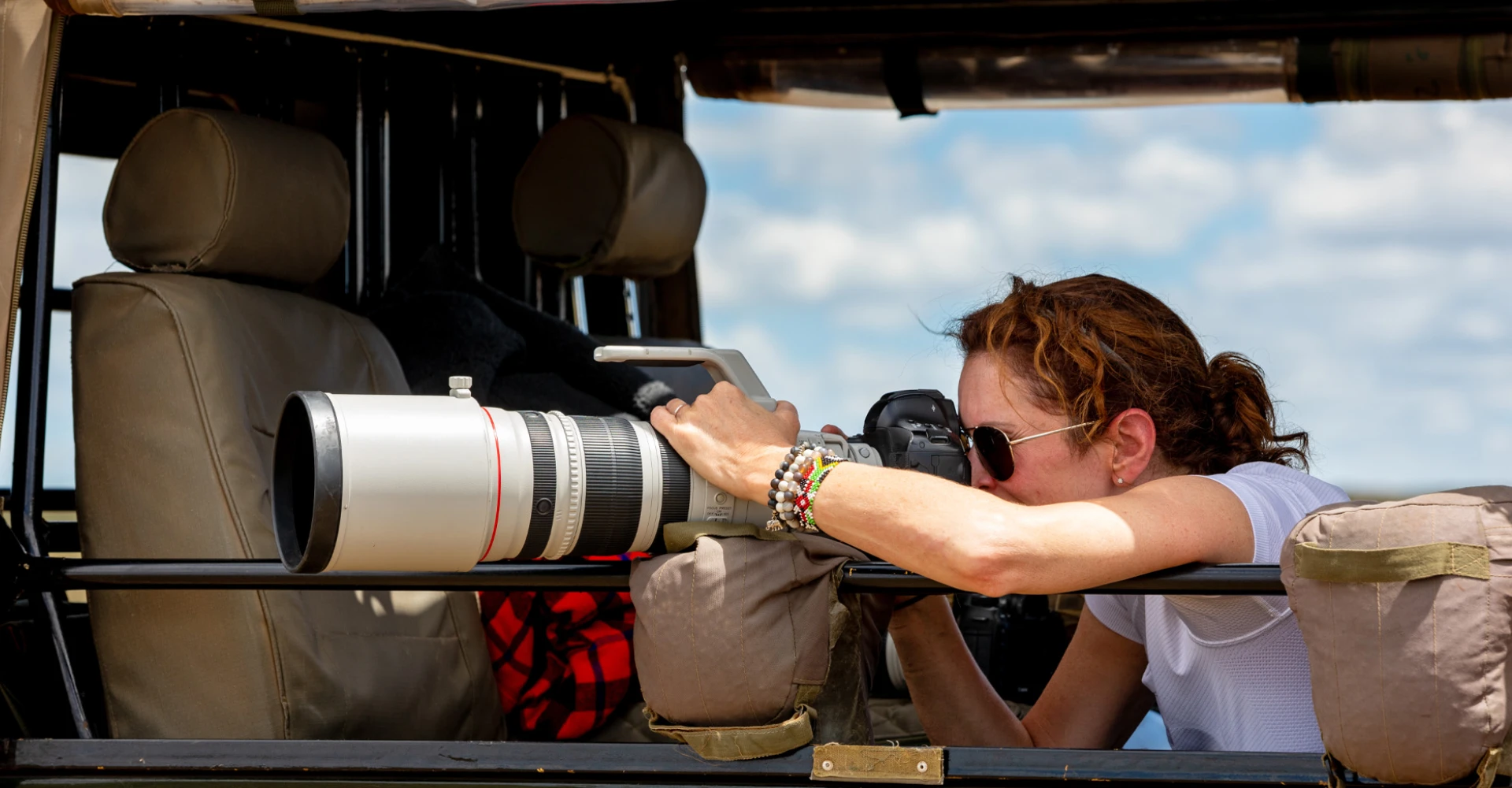
The experience is designed around spending meaningful time in the field. Lifetime Safaris describes private mobile camps selected according to the seasons, climate and movement of wildlife. These camps can take photographers away from crowded areas and closer to the places where wildlife activity is happening. Early departures and late returns allow more time for photography, while extended game viewing gives you opportunities to wait for the right behaviour, light or composition instead of moving on quickly.
You do not need to be a professional photographer to enjoy the experience. Modern camera equipment can produce excellent results, and the safari can introduce you to wildlife, landscapes and cultures while giving you time to practise photography in the field.
A Safari Planned Around Photography
A photographic safari requires a different approach to an ordinary sightseeing trip. Instead of simply moving from one attraction to another, the focus stays on where wildlife is moving, how the light is changing and how long you need to remain in one place. Lifetime Safaris says its photographic programmes are selected around seasons, climate and wildlife movement. Private mobile camps can also provide access to less crowded areas, giving you more space to work with your camera and wait for the right moment.
Your days can begin early and continue until late, depending on wildlife activity and photographic opportunities. You may spend time following animals in the Serengeti, photographing the migration or waiting for changing light across the landscape. Other parts of the journey can focus on Kilimanjaro, crater scenery, flamingos around Tanzania's lakes or the quieter coastal landscapes of Zanzibar. The variety allows you to build a collection of photographs rather than focusing on one subject alone.
The aim is not simply to take more photographs. It is to spend enough time in the right places to notice behaviour, light, movement and landscape, then decide when the moment is worth capturing.
When to Experience a Tanzania Photographic Safari
Choose your dates around wildlife movement, seasonal landscapes, weather
and the subjects you most want to photograph.
The source identifies the dry season from late June to October as the best general period to visit Tanzania. June is dry and busy, July and August are peak safari months, September remains dry as crowds begin to decrease, and October brings the first rains. January to March and November to mid-December can also work as alternatives depending on the photographic experience you want.
- January
- February
- March
- April
- May
- June
- July
- August
- September
- October
- November
- December
- Best
- Good
- Mixed
How to Plan a Tanzania Photographic Safari
Planning a Tanzania Photographic Safari begins with deciding what you want to photograph. If wildlife is your priority, the Serengeti offers opportunities around migration, animal behaviour and dramatic sunsets. You may also want to include Kilimanjaro, Ngorongoro's highland scenery, flamingos around Tanzania's lakes or Zanzibar's beaches. Your chosen subjects can influence when you travel and how much time you spend in each location. The source also explains that photographic programmes are selected according to seasons, climate and wildlife movement, making timing an important part of the experience.
Equipment should also be considered before departure. The source recommends a high-quality camera, suitable lenses, a tripod, camera bag, extra batteries and memory cards. A 4x4 vehicle is generally used for game drives and transport between lodges, while some camps provide facilities for charging camera batteries and editing photographs. Preparing your equipment beforehand means you can spend your time in the field concentrating on the subjects rather than solving avoidable technical problems.
A photographic safari rewards preparation and patience. Know what you want to capture, carry the equipment you need and leave enough time in your itinerary to wait for the photograph rather than rushing towards the next location.
Build Your Photography Journey Around Your Subjects
Your itinerary can focus on one photographic theme or combine several. A wildlife-focused trip might spend more time in the Serengeti following animal movement, while a broader journey can include Kilimanjaro, Ngorongoro, flamingo-filled lakes and Zanzibar. The source describes Tanzania as a country with a wide variety of photographic settings, giving photographers opportunities to work with wildlife, landscapes, migration, sunsets and coastal scenery. Choosing the right combination depends on the images you want to create and the amount of time available.
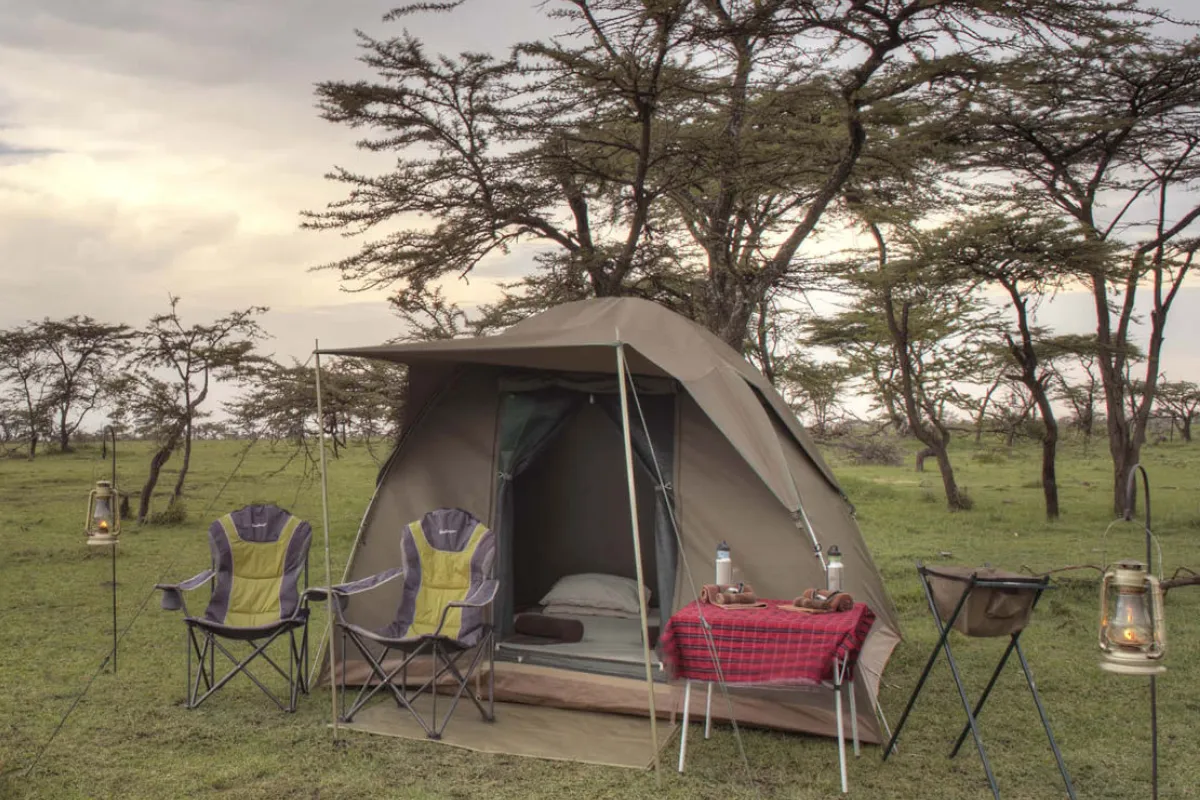
The style of camp can also affect your experience. Private mobile camps are selected according to seasonal and wildlife conditions, while special campsites, public campsites and luxury tents offer different levels of accommodation. Some lodges and camps provide facilities for charging batteries and editing photographs. Your safari team can support the journey while you concentrate on photography, wildlife and the surrounding landscape.
Think beyond a checklist of locations. Give yourself time with the subjects you care about, allow the light to change and let the landscape become part of your photographic story.
Explore Our Activities
Discover unforgettable experiences through our
favorite safari activities
Frequently Asked Questions
About Tanzania Photographic Safari
These common Tanzania Photographic Safari FAQs cover timing, equipment, wildlife, transport and accommodation for travellers planning a dedicated photography journey.
The source identifies June to October as the best general period, although January to March and November to mid-December can provide alternative opportunities depending on the experience you want.
The source recommends a high-quality camera, lenses, tripod, camera bag, extra batteries and memory cards. These essentials help you stay prepared during extended wildlife-viewing sessions.
Tanzania offers opportunities to photograph the Big Five along with cheetahs, giraffes, zebras, hippos and different antelope species. The Serengeti also provides opportunities around wildebeest migration.
The source says most photographic safaris use 4x4 vehicles for game drives and transportation between lodges. Some lodges and camps also offer guided walks and other activities.
Plan Your Tanzania Journey With
Local Safari Experts
Share your ideas and let our team shape the trip around you.
- Honest advice from local experts
- Routes designed around your personal travel interests
- Save hours with practical safari planning support
Hear From Our Travellers
Hear from travellers who discovered Tanzania with Lifetime Safaris
and shared their experiences
Good guide is very important
High recommend Danford and Lifetime Safaris! Danford is a skilled attentive driver with deep Safari knowledge and great instincts.

Paulo P
Love Lifetime Safaris
Great safari with our guide Humphrey! Safari roads are crazy and we felt safe, comfortable and well supported the whole time.
Kerri P
An unforgettable safari experience
An unforgettable experience indeed! We travelled with our friends and it’s a total six of us. Our guide Danford was excellent.
Stephen M
Trip of a lifetime with guide James
We have just recently returned from Tanzania, an absolute trip of a lifetime made even more special because of our guide James.
Cindy
Wonderful adventure in Tanzania
Wonderful adventure in Tanzania visiting local villages and markets, Materuni waterfalls, Tarangire, Serengeti, and Ngorongoro parks.
Oscar
Unforgettable Safari Experience
We had an incredible experience on our safari, and a huge part of that was thanks to our amazing guide James "Bond".
stephen k
Ready to plan?
Tell us your interests, dates, and ideas, and we’ll help
shape your Tanzania safari journey
Journeys
Explore Tanzania with journeys shaped around your interests, pace, and travel style.
Contact Us
Have questions about your Tanzania safari? Speak with our local team and start planning your journey.