Your adventure begins
Know what shapes the cost of your Uganda safari before choosing
your itinerary
What Determines the Cost of a Uganda Safari?
Where Your Uganda Safari Budget Goes
Uganda safari costs vary because every itinerary combines different accommodation, transport, activities, permits, and travel distances. The number of days also matters, but it does not tell the full story. A short gorilla trekking trip can cost more than a longer wildlife safari because the gorilla permit adds a major fixed expense. Understanding these cost factors helps you compare packages properly and decide where your budget should go. It also makes quotations easier to read, because you can separate essential costs from optional extras before making a booking. Always check the latest rates before booking. This gives you a clearer picture of the total safari cost.
Your accommodation level, vehicle type, group size, route, and chosen activities can all change the final price. Budget travellers may use simple lodges and shared arrangements, while mid-range and luxury travellers usually spend more on comfort, private transport, and convenient locations. Gorilla trekking adds another high cost, with the standard permit for foreign non-residents listed at US$800 in current 2026 pricing guidance. Chimpanzee tracking, domestic flights, and additional park activities can also increase the total. Knowing these costs early helps you build a realistic safari budget. Always check the latest rates before booking.
A clear budget lets you choose experiences first and spend money where it matters most, instead of simply choosing the cheapest package available. It also helps you keep your overall spending under control from the beginning.
Uganda Safari Cost: Match Your Budget to Your Experience
Uganda gives you room to shape a safari around your budget without removing the experiences that make the journey special. You can combine wildlife viewing, forest adventures, primate tracking, boat trips, and cultural experiences while adjusting accommodation and transport to suit your spending level. A carefully planned itinerary can focus on the parks and activities that interest you most, rather than trying to cover every destination. This approach also helps control unnecessary travel time and keeps your budget connected to the experiences you actually want. These details also make quotations easier to compare. Always check the latest rates before booking. This gives you a clearer picture of the total cost.
The route plays an important role in the final price. Long road transfers require more vehicle time and fuel, while domestic flights can shorten journeys but add another expense. Travelling with others can also reduce the cost per person because vehicle and guide expenses are shared. Gorilla and chimpanzee permits remain separate activity costs, so include them when comparing packages. This gives you a clearer picture of the total cost.
The best budget is not simply the lowest figure. Compare the full itinerary, included services, permits, accommodation and transport before making a decision. That makes the final budget easier to manage.
When To Plan Your Uganda Safari Budget
Match your safari dates with permit availability, accommodation demand
& travel preferences
Uganda safari costs can vary throughout the year as accommodation demand, permit availability, transport arrangements, and traveller numbers change. Your dates also affect which lodges are available and how early you need to secure popular activities. These details also make quotations easier to compare. Always check the latest rates before booking.
- January
- February
- March
- April
- May
- June
- July
- August
- September
- October
- November
- December
- Best
- Good
- Mixed
How to Plan Your Uganda Safari Budget
Start by choosing the experiences you want most from your Uganda safari. Decide whether your priorities are classic wildlife viewing, gorilla trekking, chimpanzee tracking, boat activities, birdwatching, or a combination. Then choose the parks that support those interests and decide how many days you can travel comfortably. Once the route is clear, choose an accommodation level that fits your budget. You can use simple lodges to keep costs down, select mid-range properties for a balance of comfort and value, or choose luxury lodges for premium locations and services. Finally, compare road travel and domestic flights, then request a quotation showing accommodation, vehicle, guide, meals, permits, park fees, activities, transfers, and exclusions. Always check the latest rates before booking.
A detailed quotation helps you compare operators without focusing only on the headline figure. Check the number of nights, vehicle arrangement, accommodation category, included meals, permits, park fees, activities, transfers, and anything listed as an extra. Also ask whether international flights, visas, tips, drinks, and personal expenses sit outside the price. These details help you understand what you are actually paying for and whether the itinerary fits your planned budget. Keep enough room in the budget for personal expenses.
Plan around the experiences that matter most, then adjust comfort, transport, and trip length around the budget you have available. This can prevent unexpected costs later.
Uganda Safari Cost: Spend Where It Matters
A balanced Uganda itinerary can mix different spending levels without making the whole trip feel inconsistent. You might choose comfortable mid-range lodges for most nights and upgrade near Bwindi before a gorilla trek. Another option is to keep accommodation simple while spending more on private transport or a domestic flight to reduce long road journeys. These choices let you direct more money toward the experiences you value most. You do not need to choose the same accommodation category for every night. This approach gives you more control over the final cost.
Sharing transport can reduce the individual cost, while private travel gives you greater flexibility. Longer stays can spread some transport expenses across more days, but they also add accommodation and meal costs. These details also make quotations easier to compare. This can prevent unexpected costs later.
A practical budget should make room for both planned costs and small personal expenses during the journey. Always check the latest rates before booking.
Travel Guide To Visit Uganda
Easy to read Tanzania travel guide with what's rated,
underrated or overrated
Frequently Asked Questions
Answers to common questions about Uganda safari prices, permits, accommodation & planning
Uganda safari prices depend on the itinerary, accommodation, transport, activities, permits, and number of travellers. These answers cover the main costs to check before booking.
A budget Uganda safari can cost around US$150–300 per person per day, while mid-range and luxury trips can cost considerably more. Gorilla trekking adds a separate permit fee.
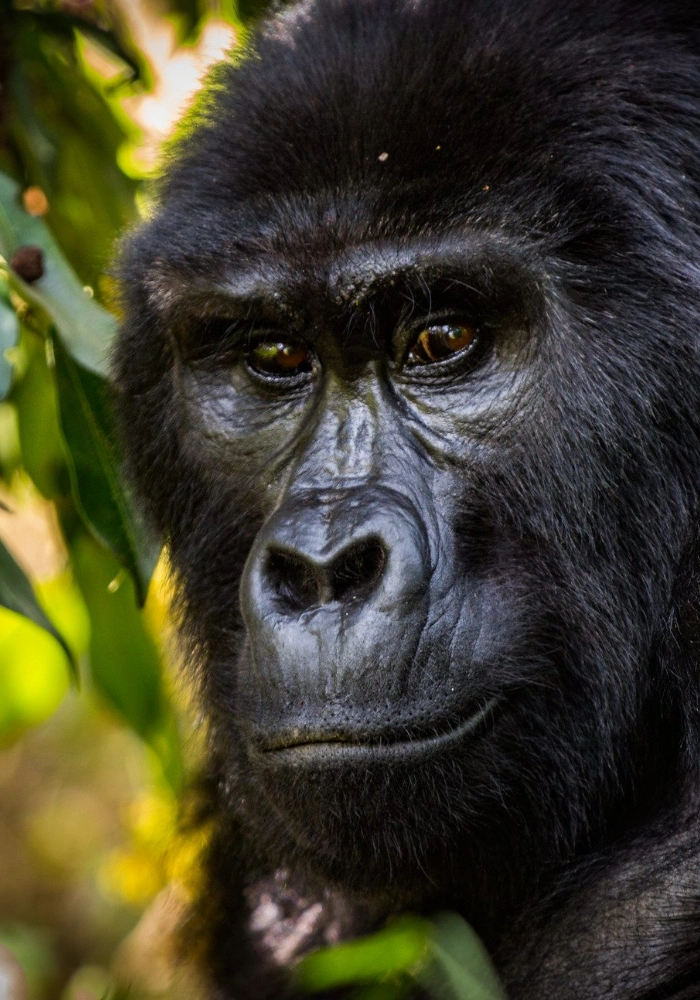
For foreign non-residents, the standard gorilla trekking permit is currently listed at US$800 in 2026 pricing guidance. Other safari costs include accommodation, transport, meals, and activities.
Yes, sharing vehicle and guide costs among more travellers can reduce the price per person. Private safaris usually cost more because fewer travellers share those fixed costs.
Check accommodation, transport, meals, park fees, permits, activities, transfers, and exclusions. Also confirm current permit prices and availability before booking. This can prevent unexpected costs later.
Plan Your Tanzania Journey With
Local Safari Experts
Share your ideas and let our team shape the trip around you.
- Honest advice from local experts
- Routes designed around your personal travel interests
- Save hours with practical safari planning support


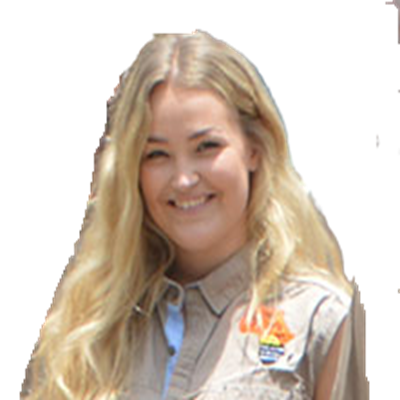
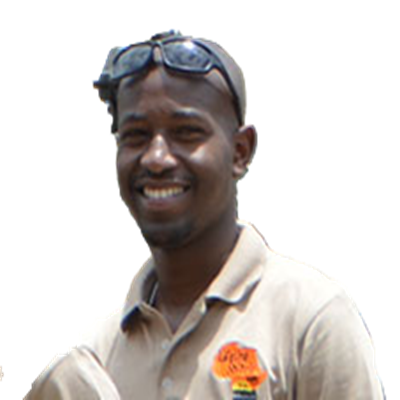
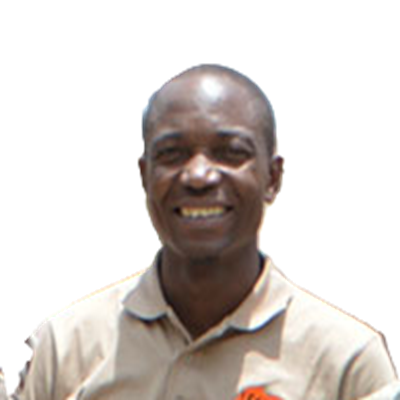
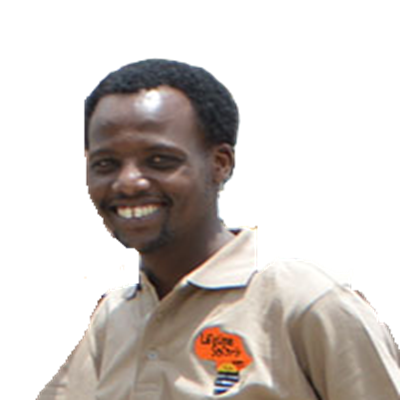
Hear From Our Travellers
Hear from travellers who discovered Tanzania with Lifetime Safaris
and shared their experiences
Good guide is very important
High recommend Danford and Lifetime Safaris! Danford is a skilled attentive driver with deep Safari knowledge and great instincts.

Paulo P
Love Lifetime Safaris
Great safari with our guide Humphrey! Safari roads are crazy and we felt safe, comfortable and well supported the whole time.
Kerri P
An unforgettable safari experience
An unforgettable experience indeed! We travelled with our friends and it’s a total six of us. Our guide Danford was excellent.
Stephen M
Trip of a lifetime with guide James
We have just recently returned from Tanzania, an absolute trip of a lifetime made even more special because of our guide James.
Cindy
Wonderful adventure in Tanzania
Wonderful adventure in Tanzania visiting local villages and markets, Materuni waterfalls, Tarangire, Serengeti, and Ngorongoro parks.
Oscar
Unforgettable Safari Experience
We had an incredible experience on our safari, and a huge part of that was thanks to our amazing guide James "Bond".
stephen k
Ready to plan?
Tell us your interests, dates, and ideas, and we’ll help
shape your Tanzania safari journey
Journeys
Explore Tanzania with journeys shaped around your interests, pace, and travel style.
Contact Us
Have questions about your Tanzania safari? Speak with our local team and start planning your journey.