

Your adventure begins
Discover Uganda’s wildlife, primates, landscapes and safari experiences before
planning your journey
Why Understand Uganda Safari Facts?
Facts That Shape Your Uganda Safari
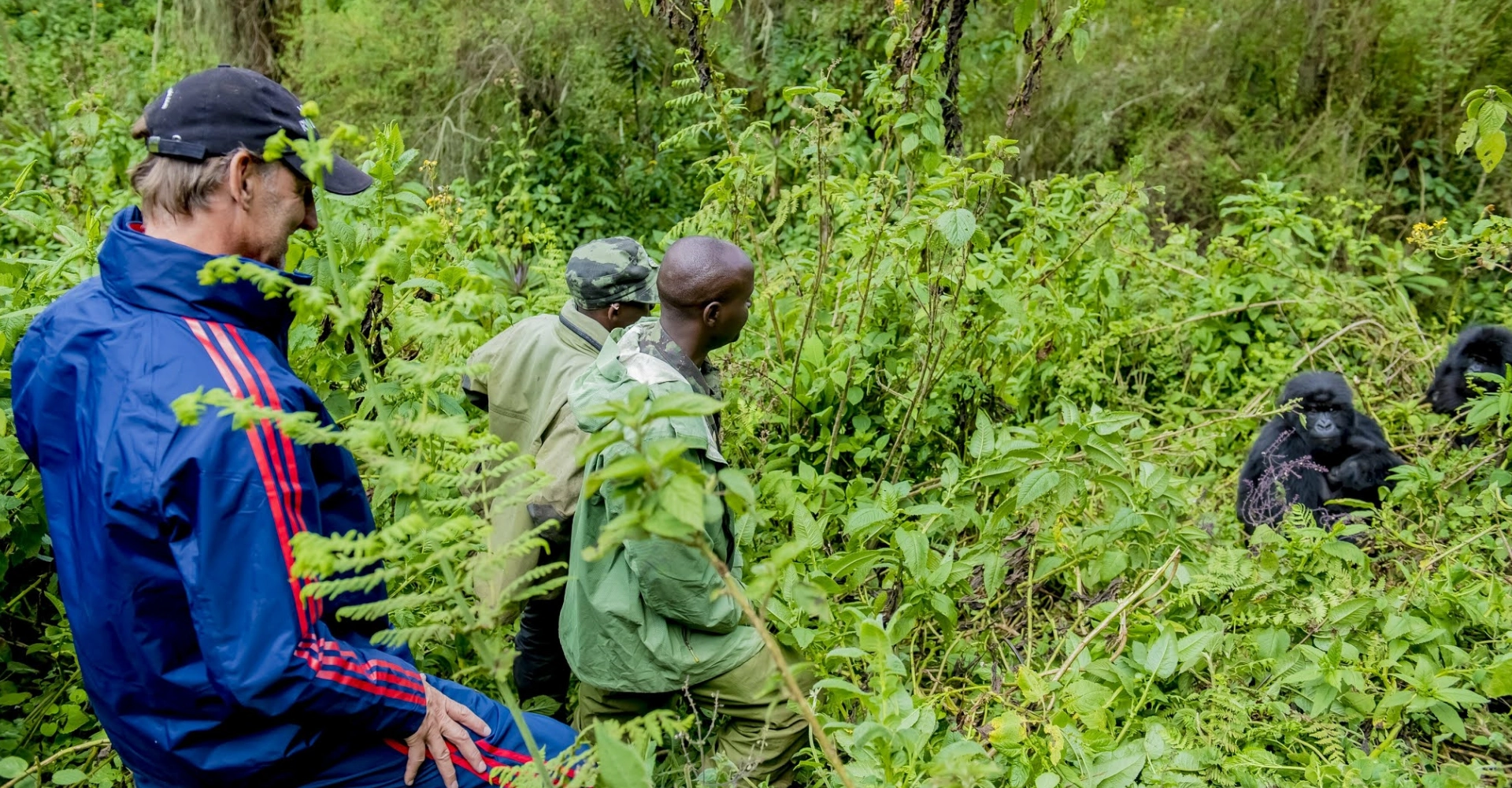
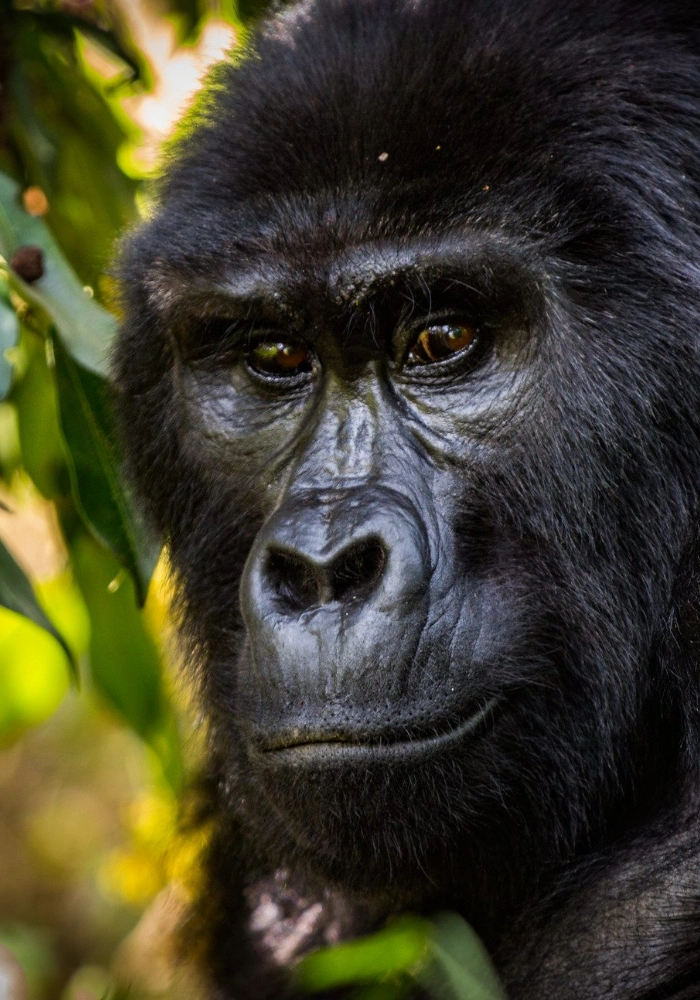
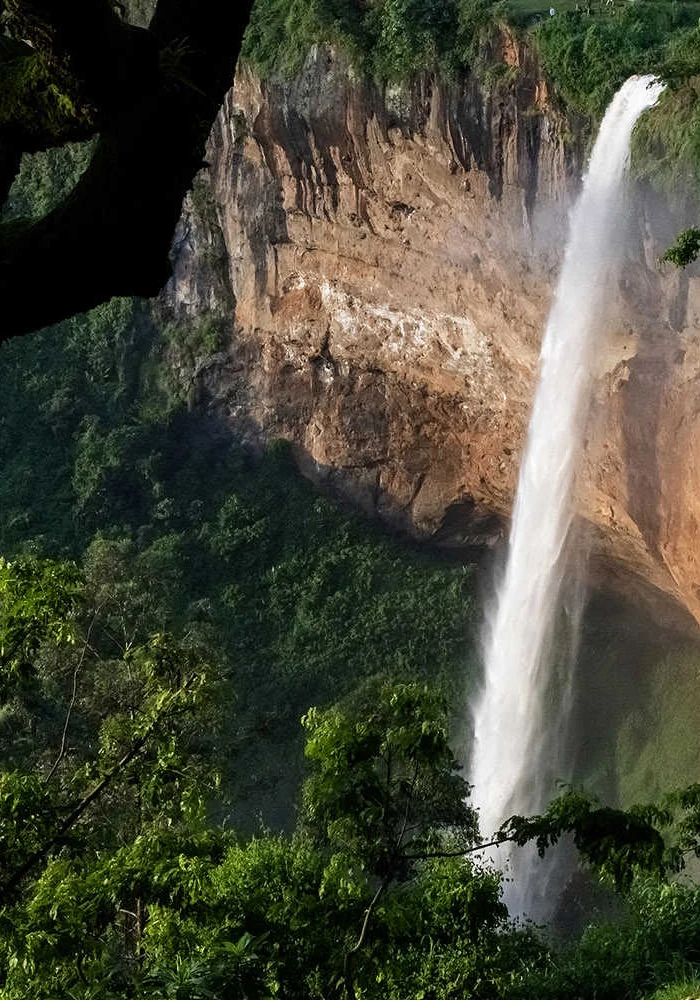
Uganda offers a varied safari experience shaped by wildlife, forests, lakes, mountains and open savannah. The country is particularly known for mountain gorillas and chimpanzees, while destinations such as Queen Elizabeth National Park and Murchison Falls National Park provide traditional game viewing. Understanding the main Uganda safari facts helps you see how different regions can fit into one journey. It also gives you a clearer idea of what each destination offers before choosing your route, activities and accommodation. Travel distances, activity requirements and seasonal conditions can all influence how your itinerary works. Preparing these details early can help you avoid an itinerary that feels rushed or difficult. It also helps you compare activities, accommodation and travel time before confirming bookings.
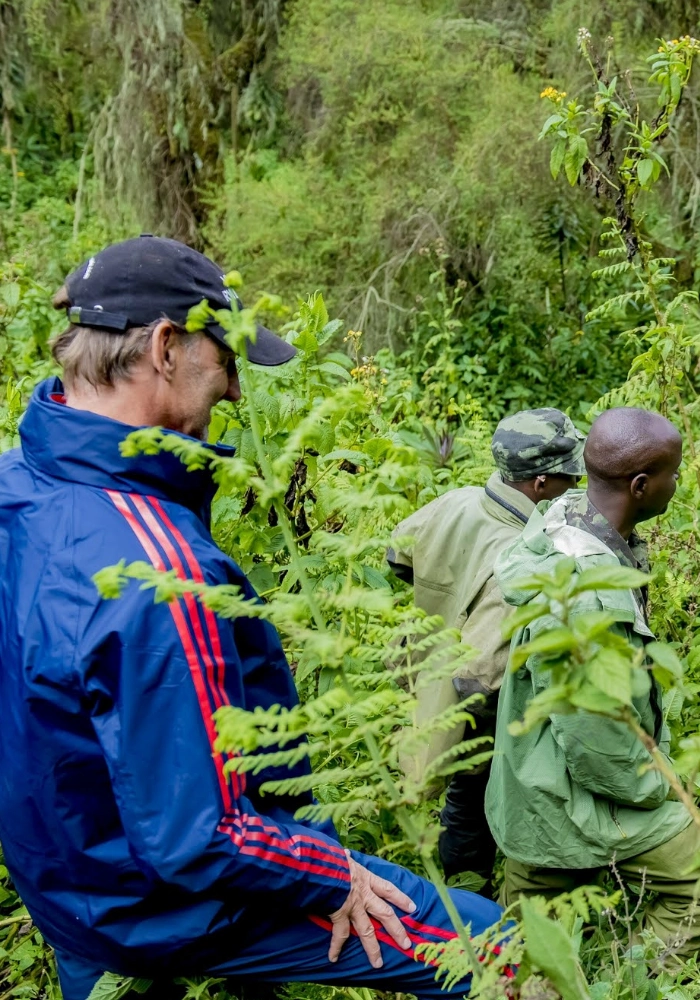
A Uganda safari can include more than wildlife viewing. Travellers may combine gorilla trekking, chimpanzee tracking, game drives, boat trips, cultural experiences and time around forests and lakes. Different activities require different preparation, so your itinerary should reflect the experiences you want most. Travel between regions can also take time, making route planning important when combining several destinations. Allowing enough time between activities creates a more comfortable journey and gives you more time to enjoy each experience instead of spending most of the trip moving between locations. These differences matter when planning your route.
Uganda brings together wildlife, primates, landscapes and outdoor experiences in one destination. The right itinerary depends on what you want to discover first.
Uganda, Your Way: Discover More Than Wildlife
Every Uganda safari itinerary can involve different planning decisions. Your available time, destinations, activity preferences and travel style can affect how you structure the journey. If you want to combine Bwindi, Kibale, Queen Elizabeth or Murchison Falls, consider the distances between them before confirming your route. Keep your bookings, travel documents and contact details available throughout the trip. If you are travelling with family or friends, discuss everyone’s priorities early so the itinerary works for the whole group. This can reduce unnecessary changes later and leave time for wildlife viewing and other experiences. Understanding these details can help you balance wildlife time, trekking, transfers and rest without making the itinerary complicated.
Your trip may also extend beyond the safari areas. Forest trekking, boat activities, game drives and cultural visits can all form part of a holiday, so organise the route around experiences you value most. Accommodation choices can vary between safari lodges, camps and forest stays. Consider activities, travel time and accommodation together before finalising your plans. This approach gives each part of the journey enough space and makes your route easier to manage.
Good planning starts with facts that matter most to your journey. Check the details, compare the options and build your Uganda safari around your priorities.
When To Plan Your Uganda Safari
Choose your travel dates around wildlife, trekking conditions, weather and the
experiences you want
Uganda can be visited throughout the year, but seasonal conditions can affect different activities and destinations. Consider rainfall, road conditions, trekking plans and wildlife interests before choosing your dates. If gorilla or chimpanzee trekking forms an important part of the journey, allow enough time to prepare for those activities alongside your safari plans.
- January
- February
- March
- April
- May
- June
- July
- August
- September
- October
- November
- December
- Best
- Good
- Mixed
How to Plan Your Uganda Safari
Start by deciding which experiences matter most to you. Gorilla trekking, chimpanzee tracking, traditional game drives, boat trips, hiking and cultural experiences can all shape a Uganda itinerary. Once your priorities are clear, choose destinations that support them. If primates are the main reason for your trip, forest destinations may take priority. If wildlife viewing is your focus, Queen Elizabeth, Murchison Falls or Kidepo Valley may form more of the route. Think about the amount of time each activity needs and avoid trying to fit every major destination into one short holiday. This can make the journey more comfortable overall and give you time to appreciate and understand each destination rather than treating it as a quick stop.
Next, consider travel time between destinations. Uganda’s parks and forests are spread across different parts of the country, so moving between them can take a part of the day. Avoid filling the itinerary with too many stops and leave time for each activity. Accommodation should also match the route, with safari lodges, camps and forest-area stays providing different settings. Choose your accommodation carefully when booking.
A well-planned Uganda safari balances wildlife, primates, landscapes and travel time. Choose fewer places if necessary and give yourself enough time to enjoy each one properly.
Uganda Safari Facts: Explore Wildlife, Primates & Landscapes
Your Uganda safari itinerary should begin with the experiences you want most. Gorilla trekking can form the centre of a primate-focused journey, while chimpanzee tracking can add another forest experience. Game drives in Queen Elizabeth, Murchison Falls or Kidepo Valley can bring classic wildlife viewing into the same trip. Combining these experiences can create a varied journey without requiring every major destination. Start with your priorities, then choose destinations and activities that support them. This keeps the itinerary focused while allowing room for landscapes, wildlife and experiences.
Accommodation and transport influence how the itinerary feels. Choose stays that work with your route and allow enough time between activities. If you plan to trek, avoid scheduling demanding experiences too closely together and give yourself time to rest. Leave space for transfers and recovery after active days.
Uganda rewards a balanced approach to travel. Choose the experiences that matter most and let them shape the route rather than trying to cover everything.
Travel Guide To Visit Uganda
Easy to read Tanzania travel guide with what's rated,
underrated or overrated
Frequently Asked Questions
About Uganda Safari Facts
Planning a Uganda safari brings questions about wildlife, primates, destinations, trekking, seasons and preparation. These answers cover key points travellers consider before the journey.
Uganda is known for mountain gorillas, chimpanzees, wildlife, national parks, forests, lakes and varied landscapes. Gorilla trekking and traditional safari experiences often come together.
Yes. You can combine gorilla trekking, chimpanzee tracking, game drives, boat trips, cultural activities and destinations around your available time and interests easily.
Popular areas include Bwindi, Kibale, Queen Elizabeth, Murchison Falls and Kidepo Valley. The right combination depends on if you prioritise primates, wildlife, landscapes or variety and wildlife.
Check current entry requirements, prepare suitable clothing and footwear, understand activity requirements and allow enough time between destinations. Follow your guide’s instructions throughout before you travel.
Plan Your Tanzania Journey With
Local Safari Experts
Share your ideas and let our team shape the trip around you.
- Honest advice from local experts
- Routes designed around your personal travel interests
- Save hours with practical safari planning support







Hear From Our Travellers
Hear from travellers who discovered Tanzania with Lifetime Safaris
and shared their experiences
Good guide is very important
High recommend Danford and Lifetime Safaris! Danford is a skilled attentive driver with deep Safari knowledge and great instincts.

Paulo P
Love Lifetime Safaris
Great safari with our guide Humphrey! Safari roads are crazy and we felt safe, comfortable and well supported the whole time.
Kerri P
An unforgettable safari experience
An unforgettable experience indeed! We travelled with our friends and it’s a total six of us. Our guide Danford was excellent.
Stephen M
Trip of a lifetime with guide James
We have just recently returned from Tanzania, an absolute trip of a lifetime made even more special because of our guide James.
Cindy
Wonderful adventure in Tanzania
Wonderful adventure in Tanzania visiting local villages and markets, Materuni waterfalls, Tarangire, Serengeti, and Ngorongoro parks.
Oscar
Unforgettable Safari Experience
We had an incredible experience on our safari, and a huge part of that was thanks to our amazing guide James "Bond".
stephen k
Ready to plan?
Tell us your interests, dates, and ideas, and we’ll help
shape your Tanzania safari journey
Journeys
Explore Tanzania with journeys shaped around your interests, pace, and travel style.
Contact Us
Have questions about your Tanzania safari? Speak with our local team and start planning your journey.