
Your adventure begins
Know what to pack for game drives, gorilla trekking, forest walks
and changing weather
Why Plan a Uganda Safari Packing List?
Pack for Every Kind of Uganda Adventure
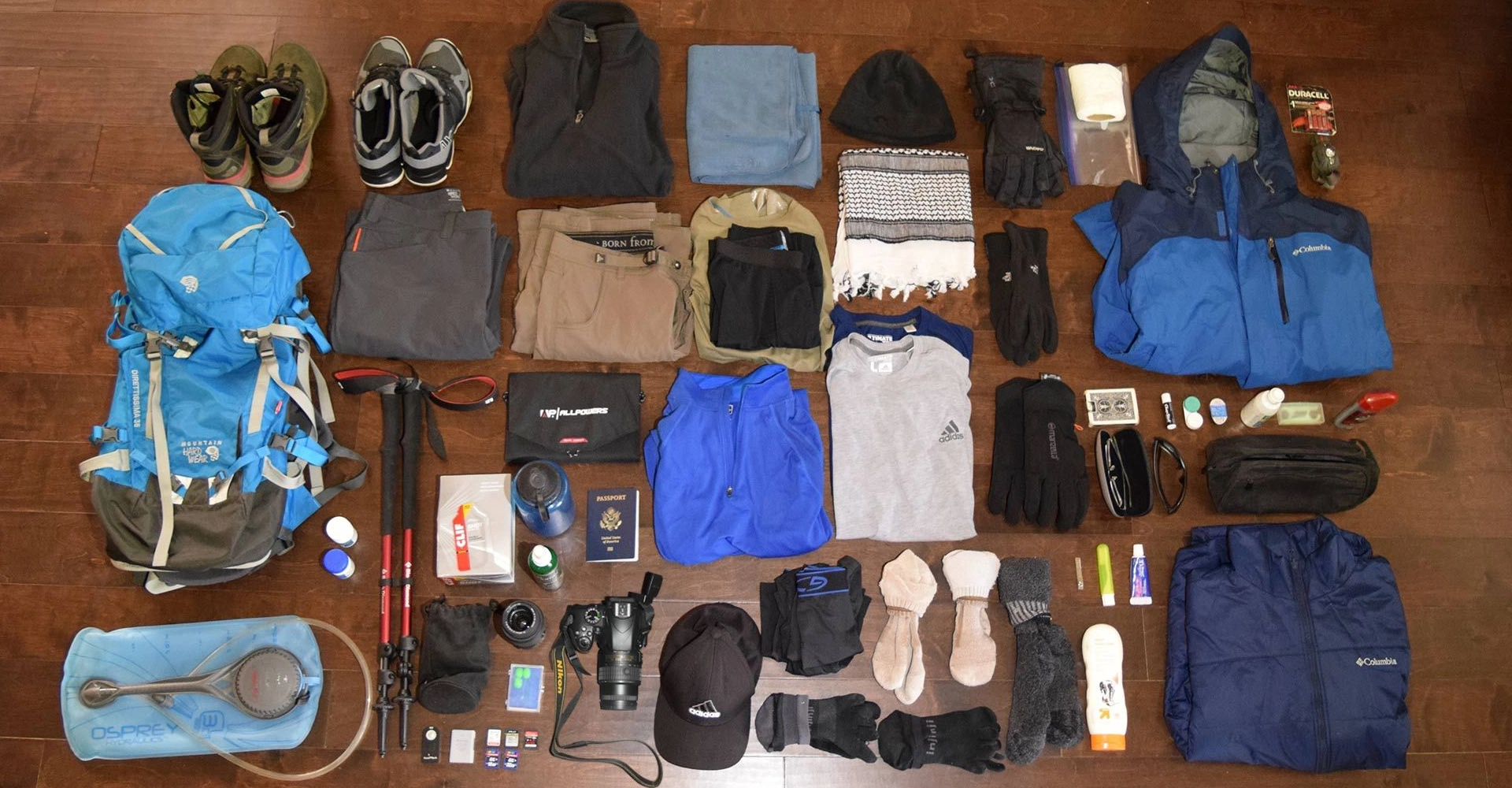
A practical Uganda safari packing list starts with your itinerary. One day may involve a game drive across open savannah, while the next can mean walking through rainforest during a gorilla or chimpanzee trek. Lightweight clothing, comfortable footwear, rain protection and a few useful essentials can cover most situations. You do not need to pack your entire wardrobe. Instead, choose versatile pieces that work across several activities and can handle Uganda's changing conditions. If your trip includes several regions, think about the weather, terrain and activities before deciding what goes into your luggage.
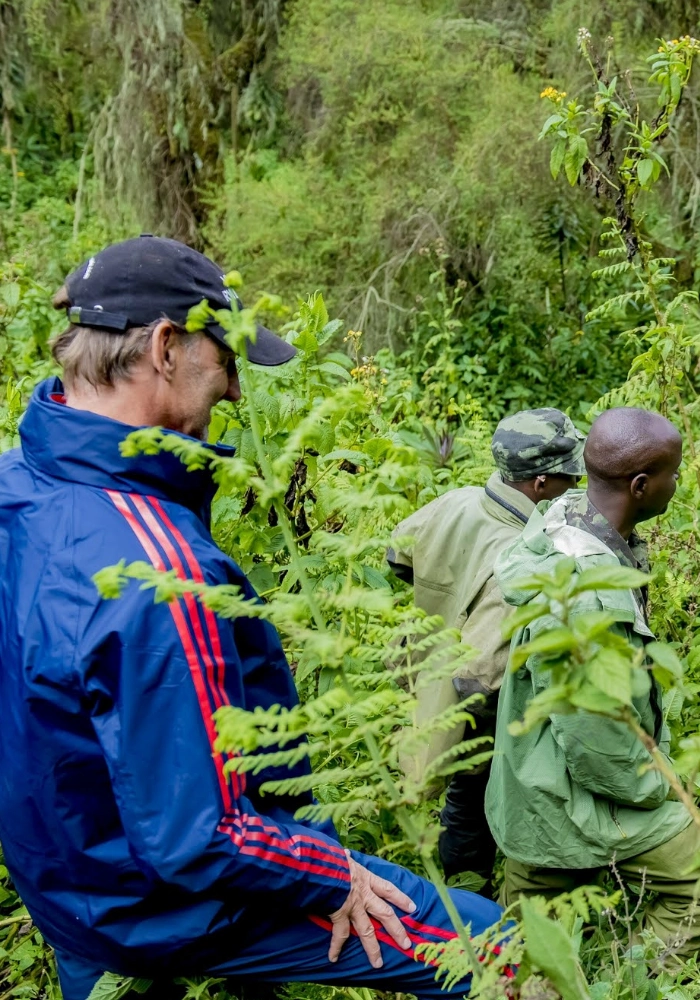
Packing needs can change between destinations. Bwindi and Kibale can feel cool and damp under the forest canopy, while Queen Elizabeth and Murchison Falls can feel warmer during daytime activities. A light jacket, waterproof layer and comfortable trousers can therefore become more useful than several separate outfits. Check your itinerary before packing and give extra attention to activities that involve walking for several hours. The right footwear can make a noticeable difference when trails become muddy or uneven.
You need less than you might think. Pack light, choose practical items and make sure everything works for the activities on your itinerary.
Uganda, Your Way: Pack Around Your Itinerary
Every Uganda safari itinerary has different packing needs. A trip focused on game drives requires comfortable clothing, sun protection and useful layers, while gorilla trekking adds stronger footwear, long trousers and reliable rain protection. If chimpanzee tracking, boat trips or nature walks are included, think about how the same items can work across different activities. Keeping your luggage compact also makes transfers between destinations easier, particularly when your journey includes several lodges or camps.
A small daypack handles the essentials for daily use — water, rain protection, sun protection, insect repellent and personal items, all within easy reach. If your accommodation offers laundry, that's a good excuse to pack fewer clothes and reuse the practical pieces throughout the trip. It keeps luggage manageable without cutting corners on the things that actually matter.
The best packing list is not the longest one. Choose reliable essentials that match your route, activities and weather.
When To Pack for a Uganda Safari
Prepare your luggage around your itinerary, activities, weather
and trekking plans
Packing should begin with the destinations and activities on your Uganda itinerary. Gorilla trekking, chimpanzee tracking, game drives and forest walks can require different essentials, while weather can change between regions. Start with versatile clothing and footwear, then add items specifically needed for your planned activities.
- January
- February
- March
- April
- May
- June
- July
- August
- September
- October
- November
- December
- Best
- Good
- Mixed
How to Pack for a Uganda Safari
Start by checking your complete itinerary before opening your suitcase. Identify every activity, from game drives and boat trips to gorilla trekking, chimpanzee tracking and nature walks. Then choose clothing and equipment that can work across several parts of the journey. Lightweight layers are useful because temperatures can change during the day, while a waterproof layer can help when conditions turn wet. Footwear deserves particular attention if you will spend several hours walking through forests or uneven terrain. Pack the items you will actually use rather than preparing for every possible situation.
Keep your daily essentials in a small daypack. Water, sunscreen, insect repellent, rain protection, a camera and personal medication can stay within easy reach. If your accommodation provides laundry, use that option to reduce the number of clothes you carry. Travelling between different regions becomes easier when your luggage remains compact and organised. Check domestic flight luggage allowances too, especially if your itinerary includes internal flights.
A good Uganda safari packing list should feel practical rather than excessive. Pack for your actual route, choose versatile items and leave unnecessary equipment at home.
Uganda Safari Packing List: Prepare for Every Activity
Your packing list should mirror the mix of experiences actually planned. Game drives call for comfortable clothes, a few layers, sun protection and practical footwear; gorilla and chimpanzee trekking demand more attention to grip, rain protection and sustained comfort. Where the trip covers several activity types, lean toward items that can serve more than one purpose — it keeps luggage down while still covering different conditions. Think about what you will carry each day, not only what you will leave inside your main bag.
Keep your most useful items easy to reach during travel. A compact daypack, reusable water bottle, waterproof layer and personal essentials can make long activity days more comfortable. Before leaving, check your itinerary once more and remove anything you probably will not use.
The goal is simple: pack light, prepare for the conditions and take reliable items that work throughout your Uganda journey.
Travel Guide To Visit Uganda
Easy to read Tanzania travel guide with what's rated,
underrated or overrated
Frequently Asked Questions
About Uganda Safari Packing
Knowing what to pack for Uganda can make game drives, forest trekking and travel between destinations more comfortable. These answers cover common packing questions before your safari.
Pack lightweight clothing, comfortable footwear, layers, rain protection, sun protection, insect repellent and a reusable water bottle. Add trekking-specific items if gorilla or chimpanzee tracking forms part of your itinerary.
You do not need a completely separate wardrobe, but sturdy footwear, long trousers, long sleeves and reliable rain protection are particularly useful for forest trekking.
Choose comfortable footwear with good grip for game drives and walking activities. Gorilla and chimpanzee trekking require shoes that can handle muddy, uneven and wet forest trails.
Pack light and focus on versatile items that work across your itinerary. A manageable main bag and small daypack are usually more practical than carrying separate equipment for every activity.
Plan Your Tanzania Journey With
Local Safari Experts
Share your ideas and let our team shape the trip around you.
- Honest advice from local experts
- Routes designed around your personal travel interests
- Save hours with practical safari planning support





Hear From Our Travellers
Hear from travellers who discovered Tanzania with Lifetime Safaris
and shared their experiences
Good guide is very important
High recommend Danford and Lifetime Safaris! Danford is a skilled attentive driver with deep Safari knowledge and great instincts.

Paulo P
Love Lifetime Safaris
Great safari with our guide Humphrey! Safari roads are crazy and we felt safe, comfortable and well supported the whole time.
Kerri P
An unforgettable safari experience
An unforgettable experience indeed! We travelled with our friends and it’s a total six of us. Our guide Danford was excellent.
Stephen M
Trip of a lifetime with guide James
We have just recently returned from Tanzania, an absolute trip of a lifetime made even more special because of our guide James.
Cindy
Wonderful adventure in Tanzania
Wonderful adventure in Tanzania visiting local villages and markets, Materuni waterfalls, Tarangire, Serengeti, and Ngorongoro parks.
Oscar
Unforgettable Safari Experience
We had an incredible experience on our safari, and a huge part of that was thanks to our amazing guide James "Bond".
stephen k
Ready to plan?
Tell us your interests, dates, and ideas, and we’ll help
shape your Tanzania safari journey
Journeys
Explore Tanzania with journeys shaped around your interests, pace, and travel style.
Contact Us
Have questions about your Tanzania safari? Speak with our local team and start planning your journey.